fr
Sidi Muḥammad ibn al-Mashri al-Sāʾiḥī al-Ḥasanī
Profile dossier
Author
Roles
1
Related corpus
6 books
Biographical notice
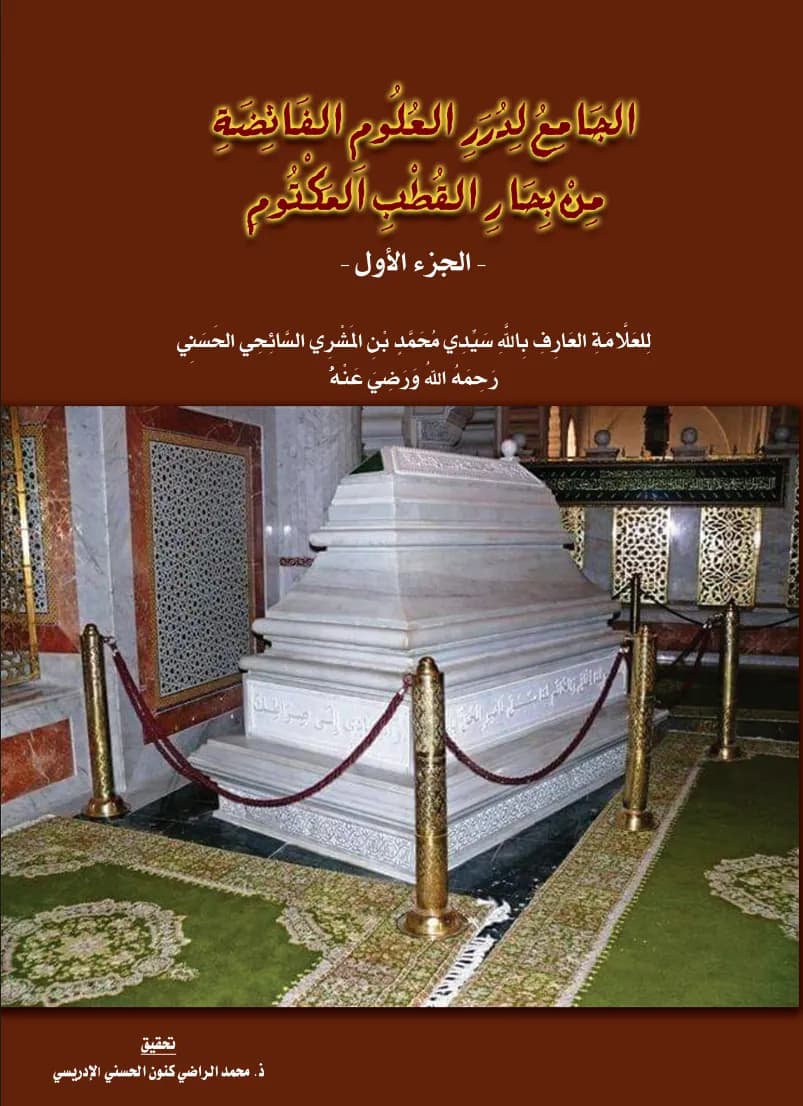
Sidi Muḥammad Ibn Mashri
Sidi Muḥammad Ibn Mashri, whose full name is Sidi Muḥammad Ben Muḥammad Ben al-Mashri al-Hassani as-Sa’ihi as-Seba‘i, was one of the major early figures of the Tijani tradition and one of the most distinguished disciples of Sidi Aḥmad al-Tijānī. A scholar, spiritual master, jurist, and transmitter of knowledge, he became known for the breadth of his learning, the depth of his inner formation, and the exceptional place he held among the closest companions of the founder of the order.
Early Life and Background
He was born in Takrit, a locality in the region of Constantine in northeastern Algeria. His exact year of birth is unknown, but the sources place him around the middle of the twelfth century AH, since he belonged to the same generation as Sidi Aḥmad al-Tijānī and was only a few years younger than him.
He came from a noble and highly respected family linked to the lineage of the Awlad al-Sa’ih al-Seba‘iyyin, a family known for prophetic descent, inherited blessing, and strong scholarly and spiritual standing in its wider tribal environment.
Character and Qualities
Sidi Muḥammad Ibn Mashri was known for his noble nature, dignified appearance, serenity, and moral strength. He was generous, radiant in countenance, constant in good cheer, and deeply committed to truth. He kept his distance from the wealthy and influential, showed no attraction to worldly status, and strongly rejected backbiting and falsehood.
He was also remembered for his sincerity, refined manners, calm speech, affection for his students and companions, and courage in enjoining what is right and forbidding what is wrong.
Education
Only limited details are preserved about his early studies, but the sources emphasize his sharp intellect, powerful memory, and early love of learning. He memorized the Qur’an in his youth and then pursued advanced studies with dedication and discipline.
He excelled in fiqh, hadith, legal cases, theology, Prophetic biography, and history, becoming one of the foremost scholars of his region. A major part of his formation, however, came through Sidi Aḥmad al-Tijānī, who was for him teacher, guide, educator, and companion.
Meeting with Sidi Aḥmad al-Tijānī
He met Sidi Aḥmad al-Tijānī in Tlemcen in 1188 AH, when the shaykh was returning from his blessed journey to the Hijaz. During that meeting, the shaykh instructed him in the litanies of the Khalwati path through his chain from Sidi Mahmoud al-Kurdi, and also entrusted him with other invocations and spiritual secrets.
This meeting was a decisive turning point in his life. Ibn Mashri himself regarded it as the greatest transformation he experienced, stating that he only came to understand the realities of the outward and inward sciences after meeting the shaykh.
His Place with the Shaykh
Sidi Muḥammad Ibn Mashri was among the foremost disciples of Sidi Aḥmad al-Tijānī. The shaykh held him in very high esteem, admired his knowledge, discipline, uprightness, and noble character, and showed him special care and affection.
Most notably, Sidi Aḥmad al-Tijānī appointed him to serve as imam in prayer for him during the five daily prayers from 1197 AH to 1208 AH, a distinction that reflects exceptional trust and honor.
He also accompanied the shaykh on his journey toward Fez, and their companionship continued for many years in remarkable closeness.
Asceticism and Generosity
Ibn Mashri was widely known for his asceticism, detachment from worldly life, and reliance upon God. He never married, never built a house, and never stored up wealth. He avoided people of political influence and had no interest in worldly rank.
At the same time, he was deeply generous. He helped the poor, supported those in need, and gave away whatever he possessed. His life became a model of selflessness, restraint, and sincere reliance upon God.
Spiritual Path
Sufism was already part of his family heritage, but his meeting with Sidi Aḥmad al-Tijānī gave that dimension a new and defining depth. From then on, he devoted himself to spiritual discipline, retreat, purification of the soul, and inner realization.
He thus became one of the great realized men of the Tijani path, recognized for his seriousness, subtle understanding, and elevated spiritual rank.
Departure from Fez to the Eastern Sahara
His departure from Fez to the eastern Sahara was understood in Tijani sources as the result of profound spiritual causes rather than merely outward circumstances. According to the tradition, this move took place by direction of his shaykh and was connected to his spiritual state and the openings granted to him.
Several major Tijani authors preserved this interpretation and emphasized the inward and providential meaning of his departure.
Works
Sidi Muḥammad Ibn Mashri authored several important works, including:
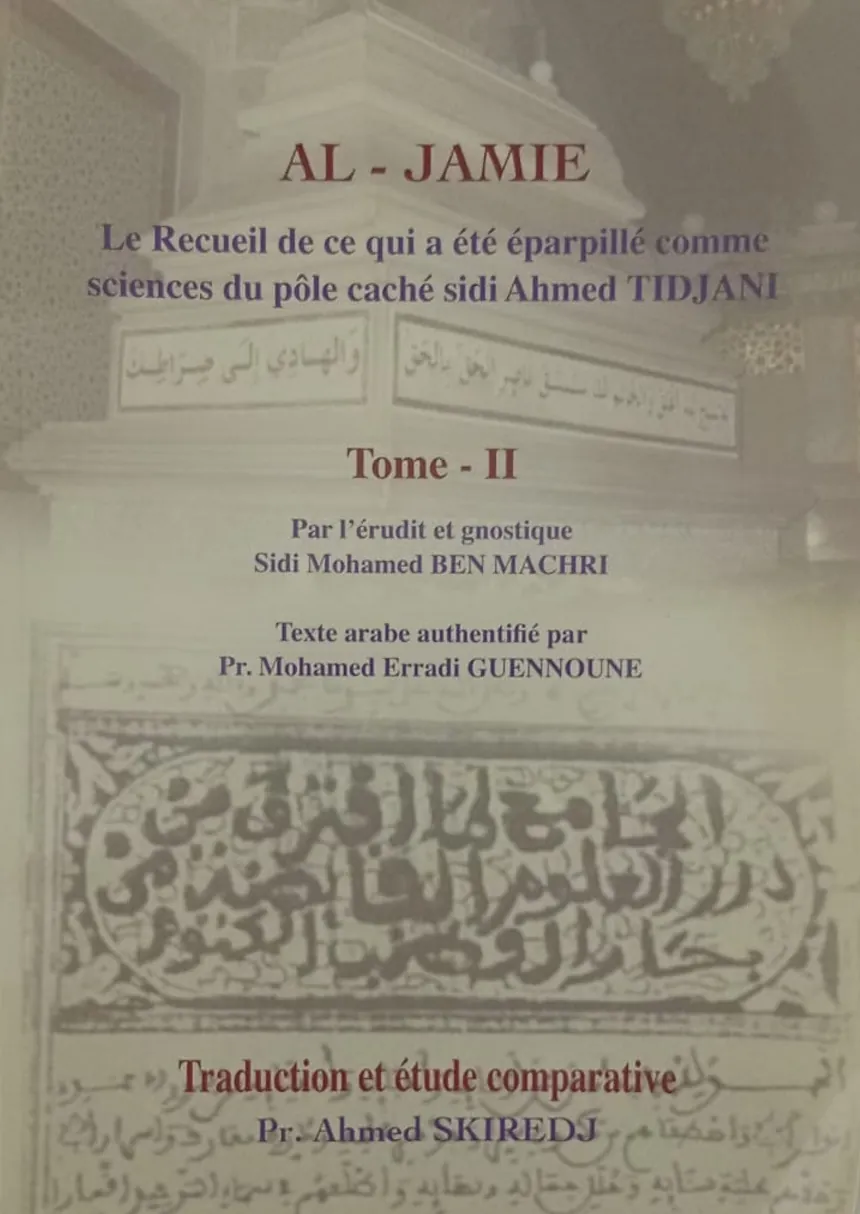
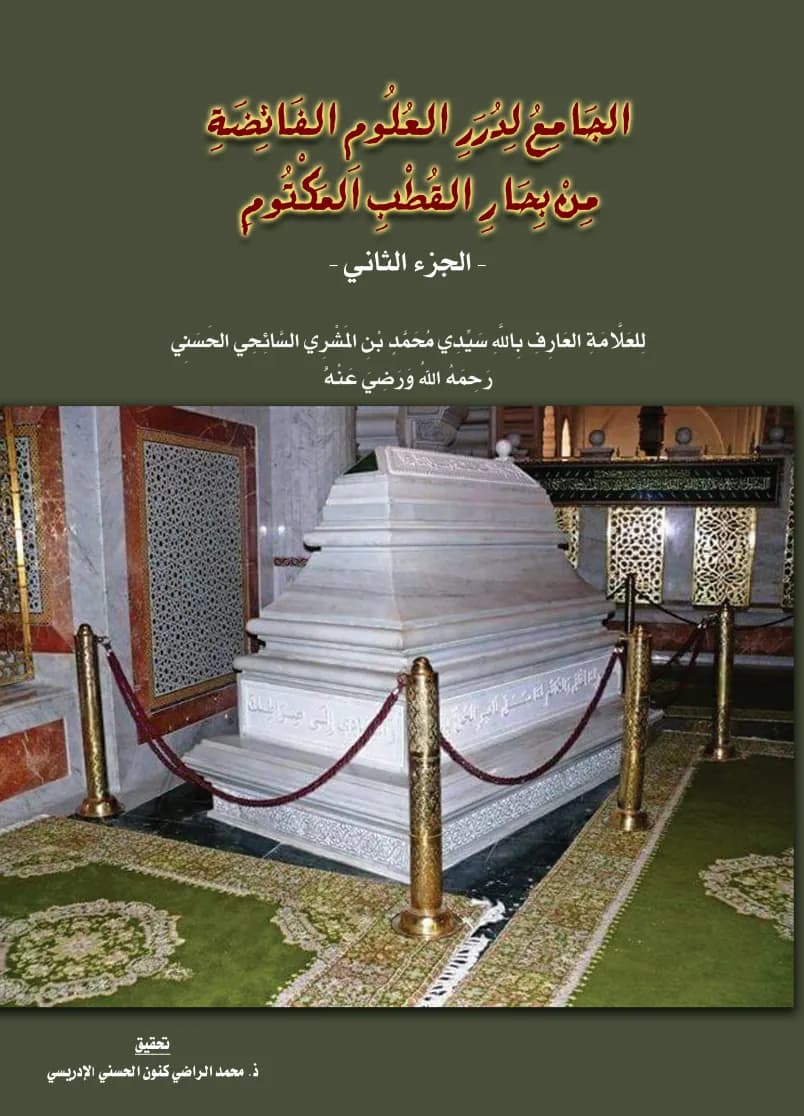
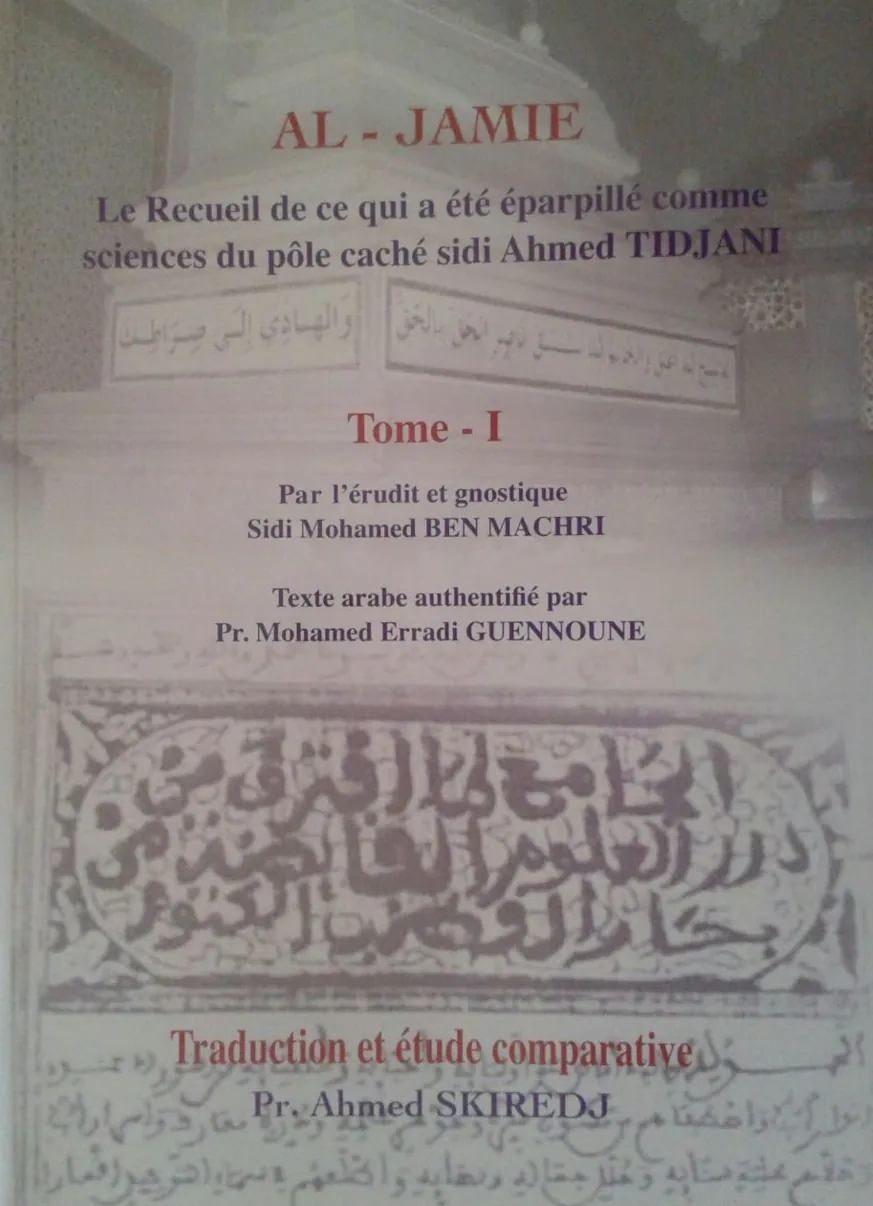
al-Jāmiʿ‘ lima Iftaraqa min Durar al-‘Ulum al-Fa’ida min Bihar al-Qutb al-Maktum
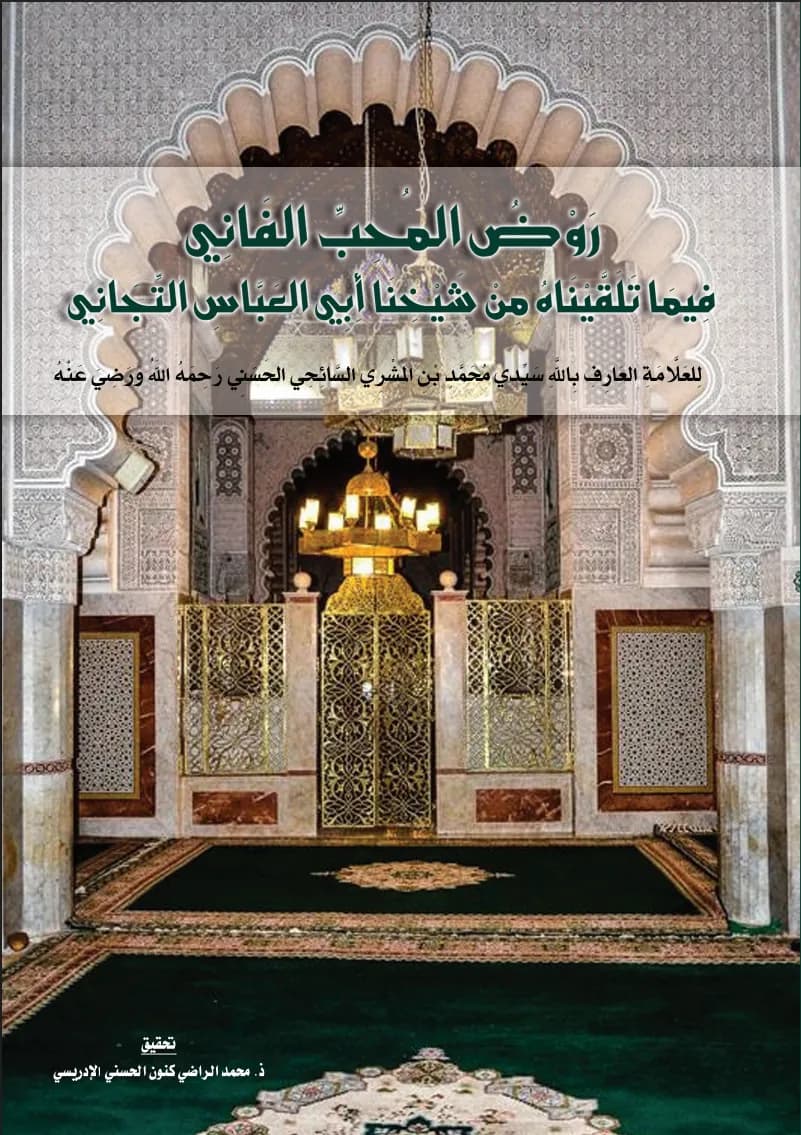
Rawd al-Muhibb al-Fani fima Talaqqaynahu min Abi al-‘Abbas at-Tijani
Nusrat ash-Shurafa’ fi ar-Radd ‘ala Ahl al-Jafa’
Taqyid fi Salat al-Fatih Lima Ughliqa
Sharh Yaqutat al-Muhtaj fi as-Salat ‘ala Sahib al-Liwa’ wat-Taj
These writings reflect both the depth of his link to Sidi Aḥmad al-Tijānī and his central role in preserving and transmitting the intellectual and spiritual heritage of the path.
Death
After leaving Fez for Ain Madhi, he lived there only a short time, roughly a year. Worn down by illness, separation, and intense longing for his shaykh, he passed away on Monday, 1 Dhu al-Qa‘da 1224 AH.
His death caused deep sorrow among the people of the Tijani path, especially for Sidi Aḥmad al-Tijānī himself, who sent a letter of condolence to his family, reflecting the exceptional love and esteem in which he held him.
Legacy
Sidi Muḥammad Ibn Mashri left a major legacy in early Tijani history. He is remembered for his loyalty to the shaykh, excellence in the religious sciences, asceticism, generosity, and depth in the spiritual life. He remains one of the most distinguished figures of the early Tijani circle.