ar
Profile dossier
Author
Roles
1
Related corpus
2 books
Biographical notice
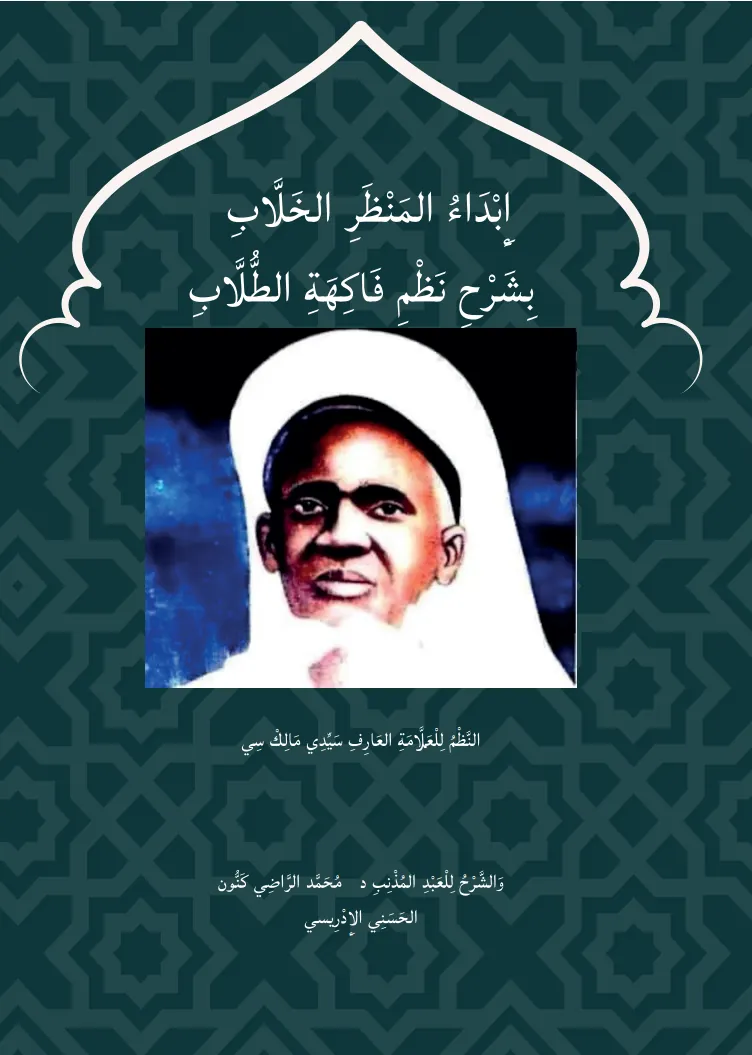
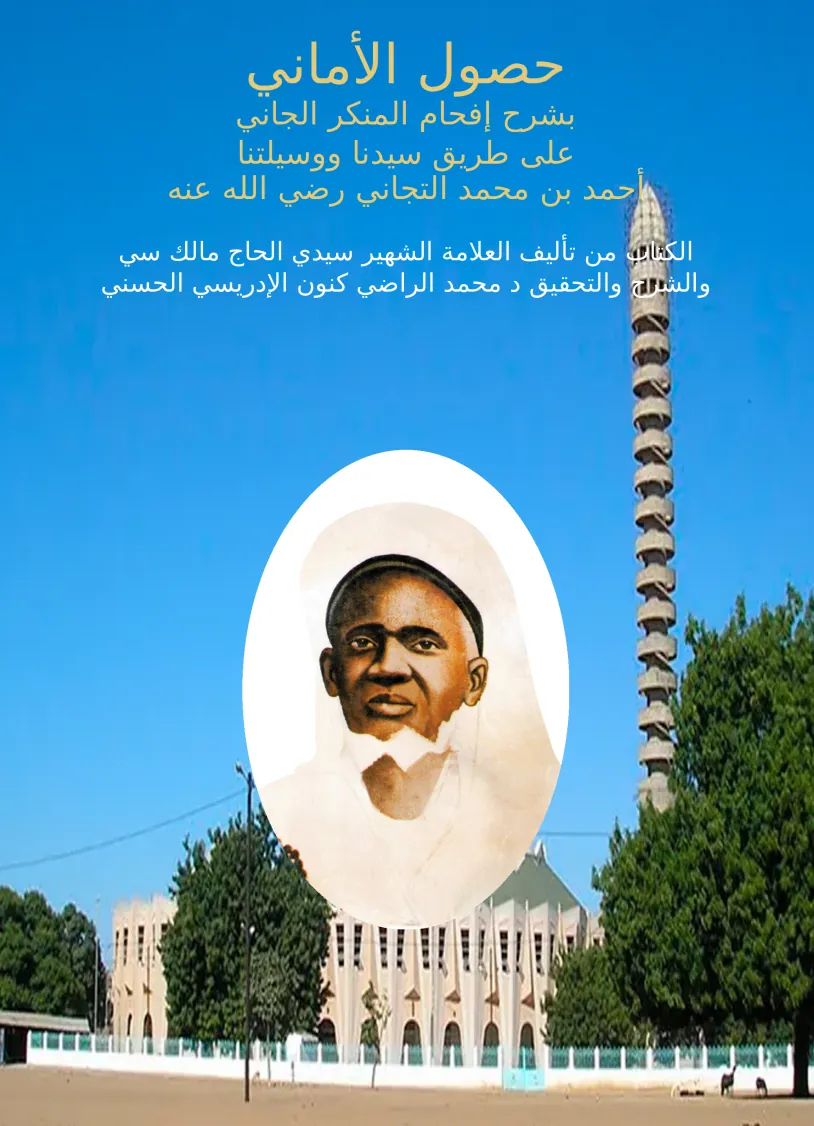
Sidi Haj Malik Sy
Sidi Haj Malik Sy was one of the greatest Tijani figures in Senegal and one of the most influential scholars and spiritual guides of his time. He combined religious scholarship, spiritual training, authorship, teaching, and leadership, and played a major role in spreading and consolidating the Tijani path in Senegal, especially through the city of Tivaouane.
His full name was Sidi Haj Malik ibn Uthman ibn Muʿadh ibn Muhammad ibn Ali ibn Yusuf al-Julfi. He came from the Tekrour lineage, which belongs to the Fulani tribal world, centered mainly in the Senegal River basin, especially around the region of Saint-Louis.
He was born in the village of Gaya, west of Dagana in northern Senegal. He was born an orphan, but despite that difficult beginning, he inherited from his father, who was a major scholar, a valuable library filled with important books, references, and rare manuscripts. This intellectual inheritance clearly shaped his early development.
He memorized the Qur’an at a young age in Gaya, then studied the Islamic sciences, Arabic language, literature, and related disciplines under a number of distinguished teachers in his homeland. He also traveled through several Senegalese towns in pursuit of learning until he became one of the leading scholars of Senegal.
His move to Tivaouane came after the local notables and elders sought a scholar well grounded in Qur’anic exegesis, someone able to teach them and their children the Qur’an according to sound scholarly standards. When they heard of Haj Malik’s knowledge and standing, they repeatedly asked him to settle among them and teach. He accepted, and his arrival in 1318 AH / 1900 CE marked a turning point in the religious and intellectual life of the region.
Sidi Haj Malik Sy was also a prolific author. His writings reflect the breadth of his knowledge in jurisprudence, Tijani doctrine and practice, Arabic language, literature, and legal matters. Among his best-known works are:
Khulasat al-Dhahab, on the life of the best of the Arabs
Hizb al-Yamani wa Ghayat al-Amani
Qantarat al-Murid
Al-Kawkab al-Munir
Rayy al-Zam’an, on the birth of the master of the sons of ʿAdnan
Fakihat al-Tullab
Wasilat al-Muqarrabin
Tabshir al-Ikhwan
Zajr al-Qulub
Wasilat al-Mujrimin
Wasilat al-Muna
A treatise on establishing the fast by telegraph
A treatise on zakat
A response to a denier of al-Asqam
A response to certain objectors
He received the Tijani path from his maternal uncle Alfa Mayoro, who had received it from the gnostic scholar Sidi Mawlud Fal al-Yaʿqoubi, and after him from the famous mujahid-pole Sidi Haj Omar al-Fouti. This places Haj Malik firmly within one of the major Tijani lines of transmission in West Africa. Through his efforts, the Tijani path spread widely throughout Senegal and neighboring regions.
He passed away on Saturday, 5 Dhu al-Qiʿda 1340 AH / 30 June 1922 CE, in Tivaouane, where he was buried. His mausoleum remains there and continues to be visited as a place of blessing.
The great scholar Sidi Ahmad Skiredj praised him highly. In his work Jinayat al-Muntasib al-ʿAni, he described him as one of those who wrote excellently on the Tijani path and whose works clearly show that their author was among the complete men of spiritual opening. He also emphasized that Haj Malik actively engaged in spiritual التربية, trained many disciples, served people and society, remained devoted in worship, and was marked by detachment from worldly wealth.
Skiredj also praised him in verse in his travel poem Taj al-Ru’us, mentioning him and his family with affection and esteem.
Among Haj Malik’s writings, Fakihat al-Tullab is especially important. It is considered one of the major didactic texts devoted to the jurisprudence and discipline of the Tijani path, gathering its conditions, obligations, and principles in an organized way. It became a standard reference text, especially in Senegal and nearby lands, and many disciples memorized it and transmitted it widely.
This poem is also distinguished by its clear inspiration from Rimah by Sidi Omar al-Fouti. It follows that earlier model in structure, themes, and doctrinal method, showing Haj Malik’s deep fidelity to the West African Tijani scholarly and spiritual tradition.
For all these reasons, Sidi Haj Malik Sy stands as a major scholar, spiritual educator, author, and one of the central pillars of Tijani expansion in Senegal, with a legacy that continued through his books, his disciples, and the enduring spiritual influence of Tivaouane.