YouTube channel
Profile dossier
Author
Roles
1
Related corpus
103 books
Biographical notice
Talks, presentations, and recorded interventions connected to this figure.

Une présentation consacrée à l'origine, à la nisba et à l'ancrage savant de la famille Skiredj.
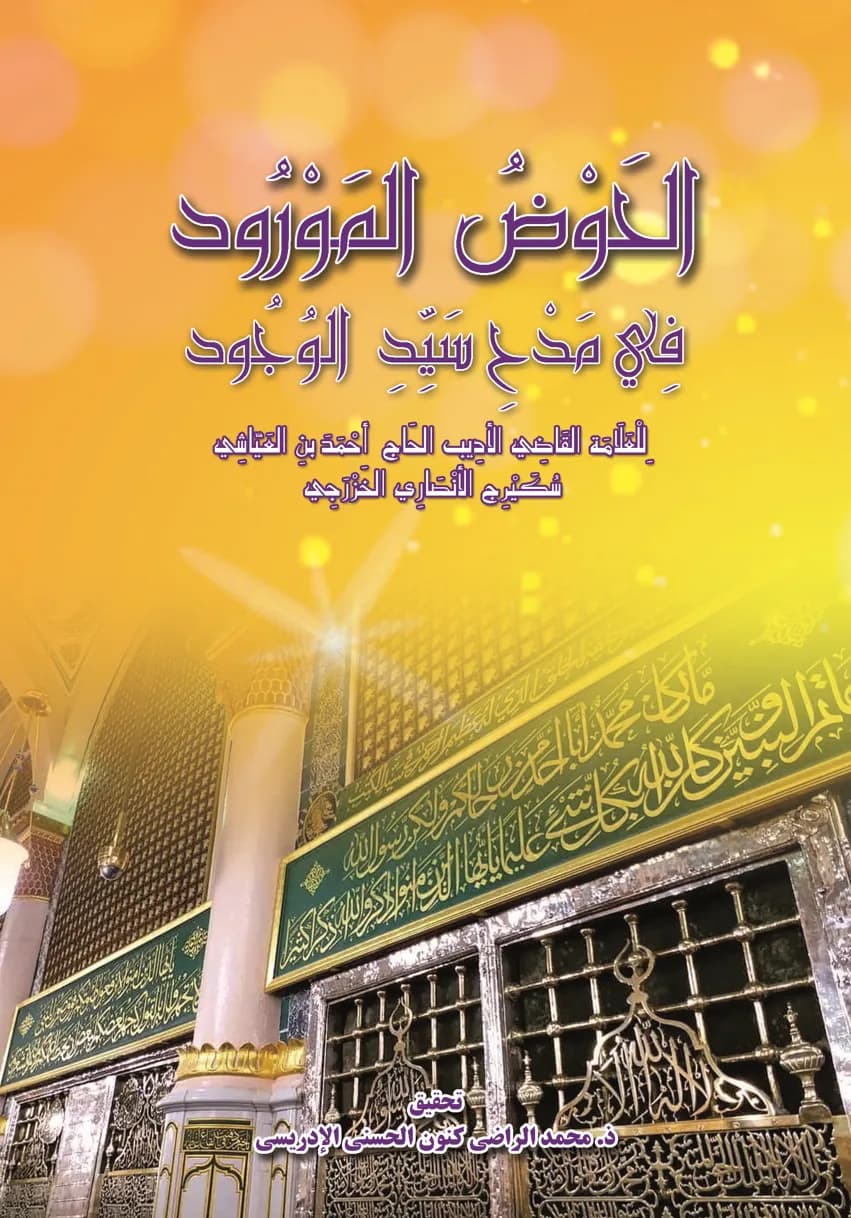
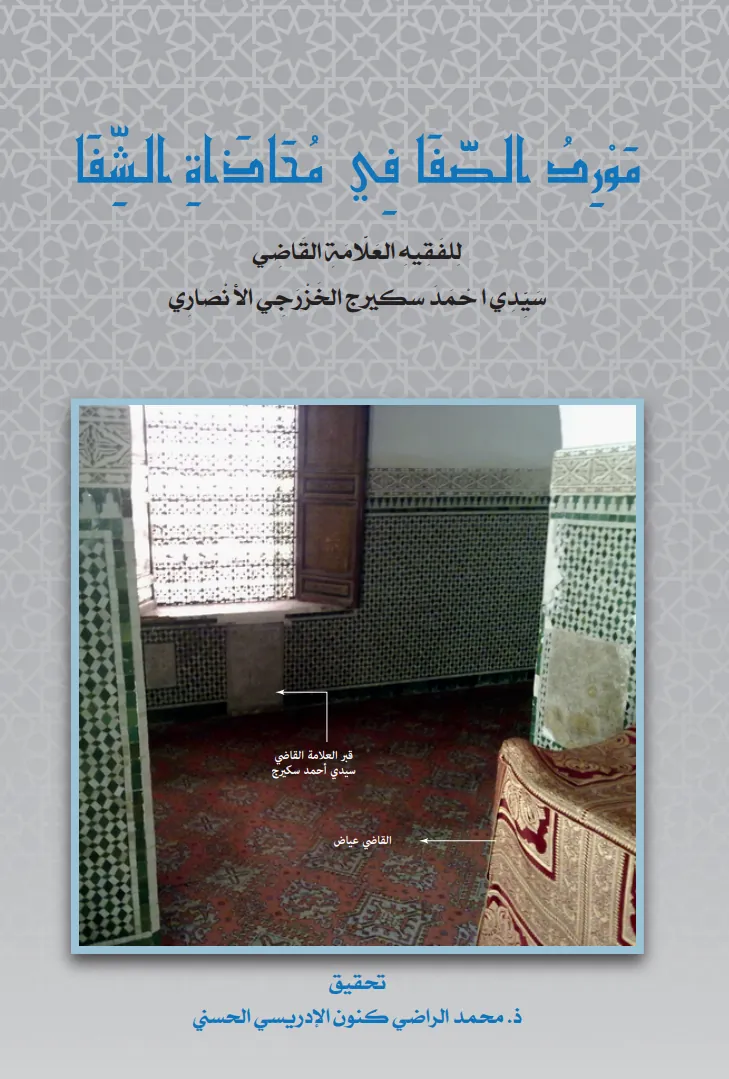
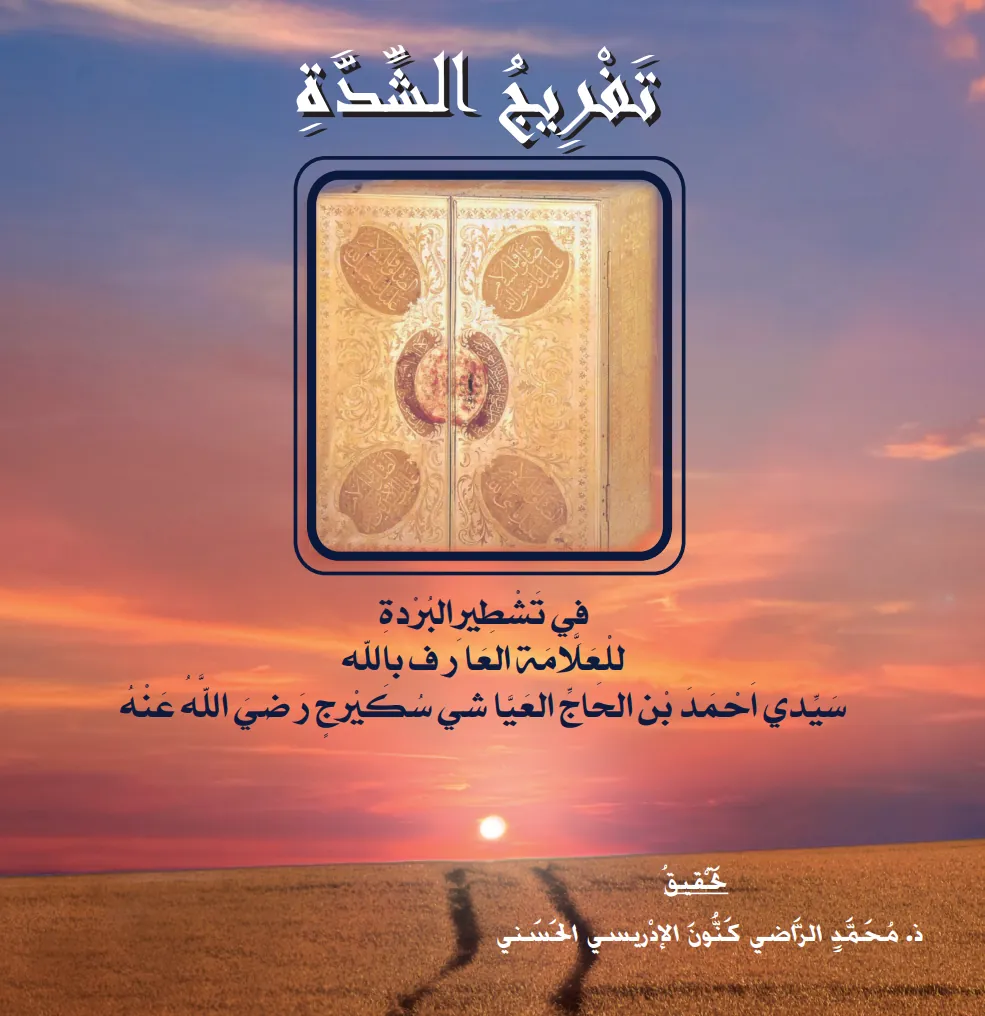
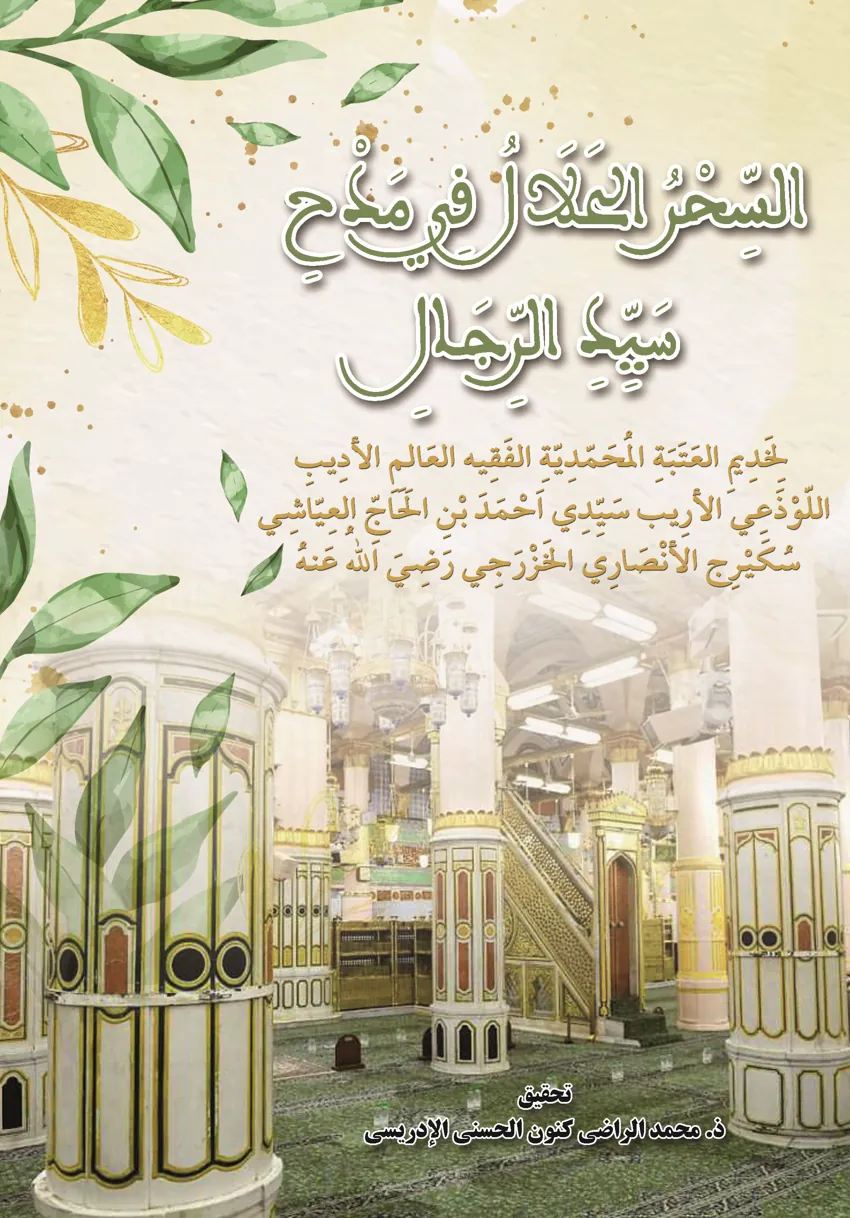
![إِخْمَادُ البِدْعَةبِالجَوَابِ عَنْ أَسْئِلَةِ الشَّيْخِ [عَلِي ابْنِ جَانْ فِي] التِّسْعَة](/_next/image?url=%2Flibrary-covers%2F038-cover-038-d8e8e60b.webp&w=1920&q=75)
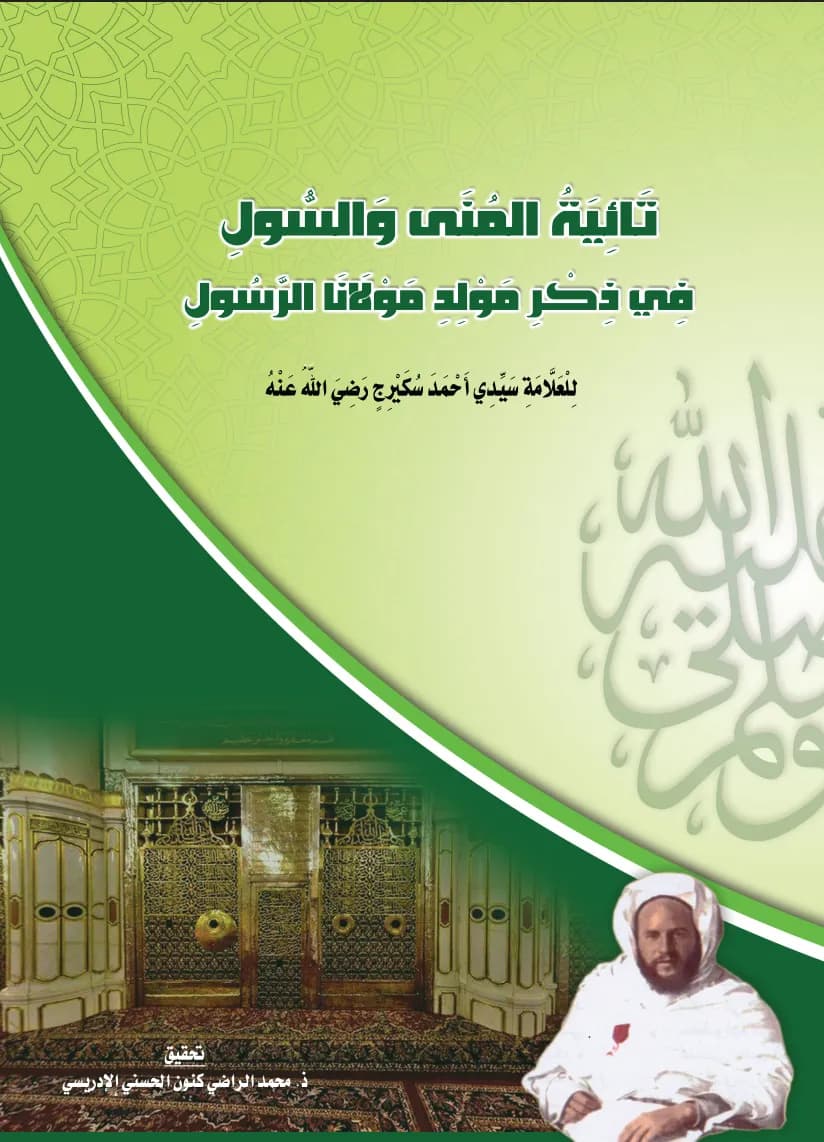
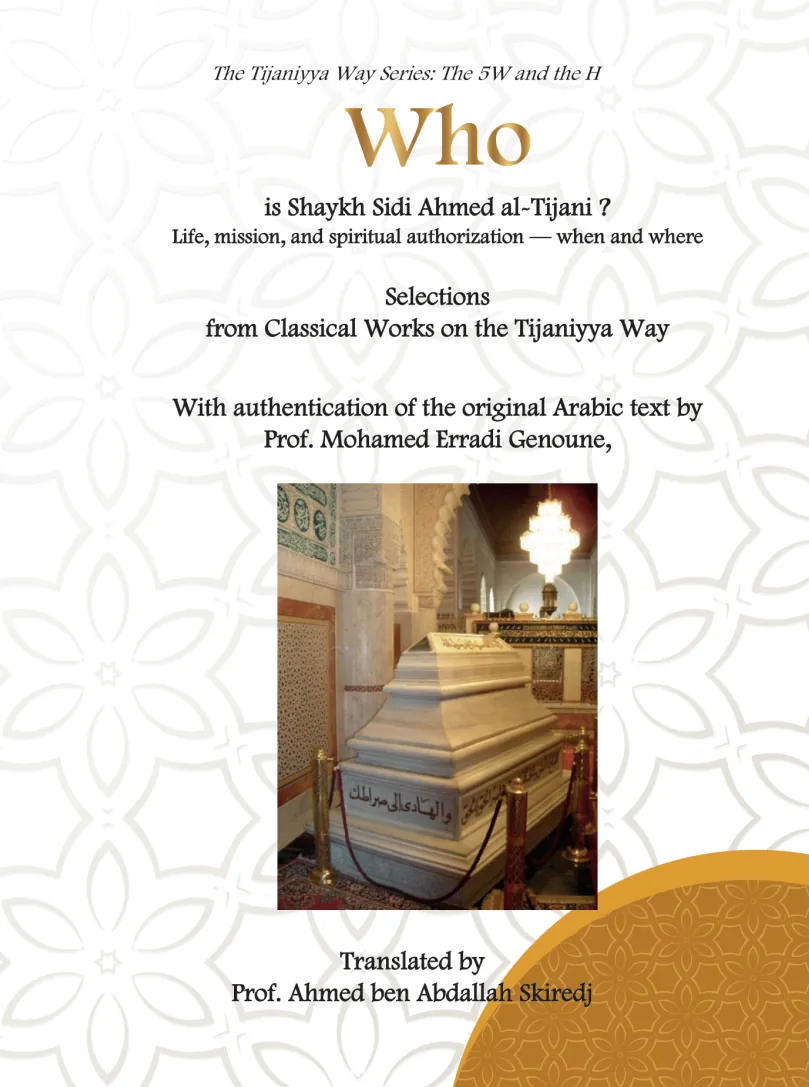
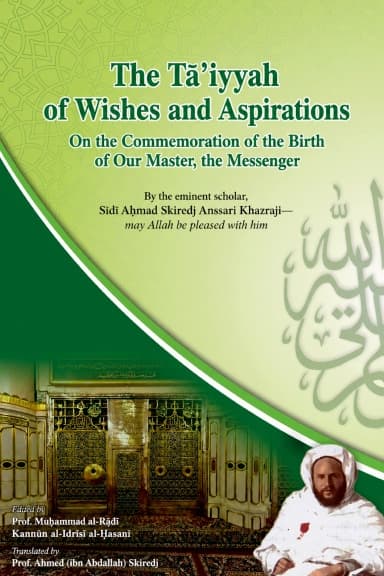
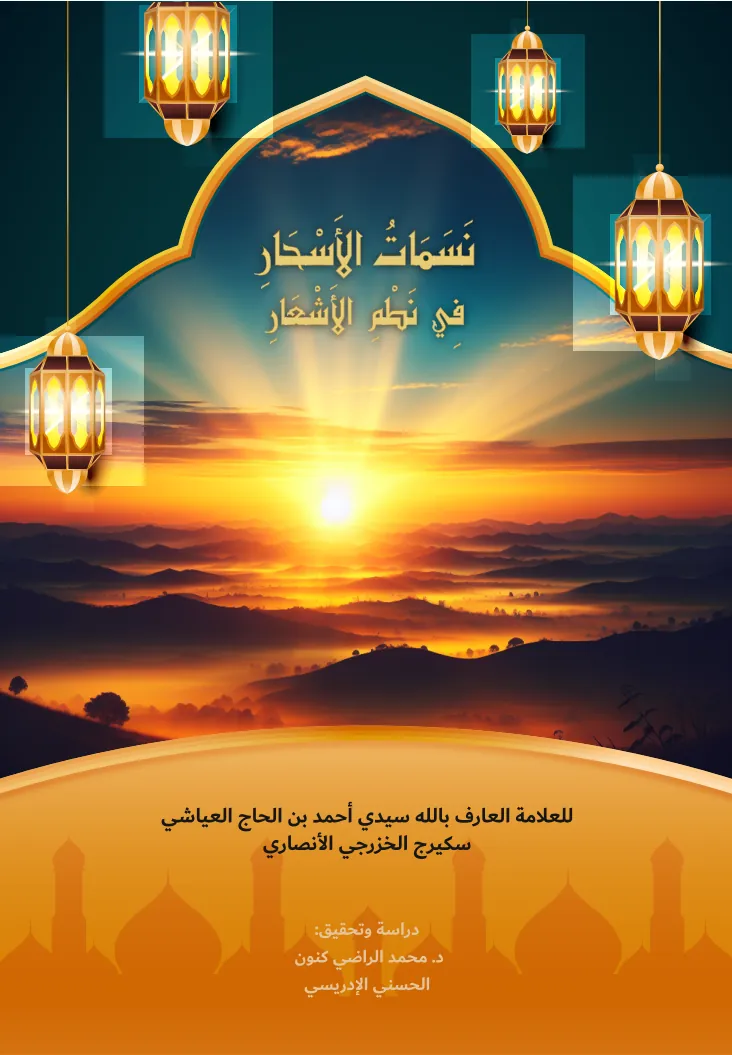
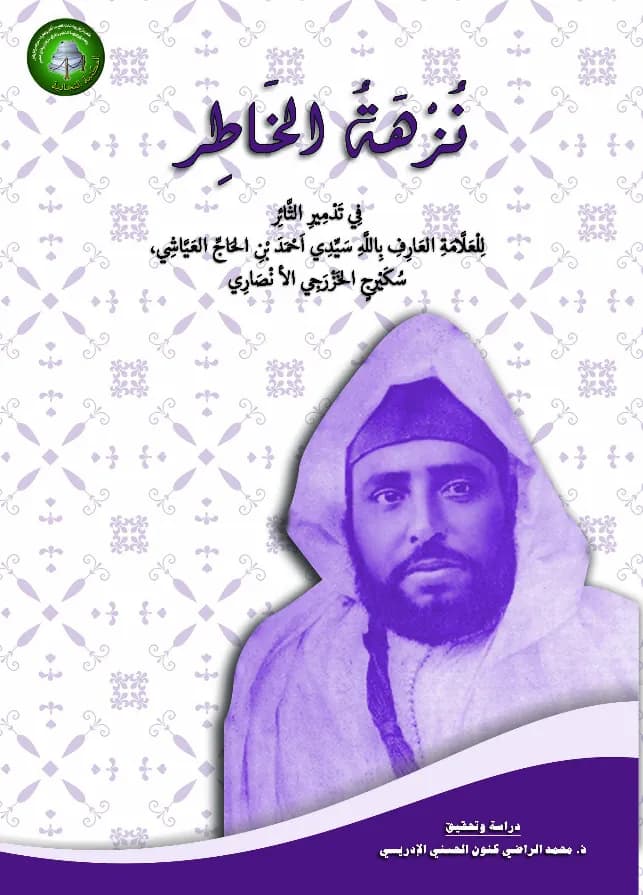
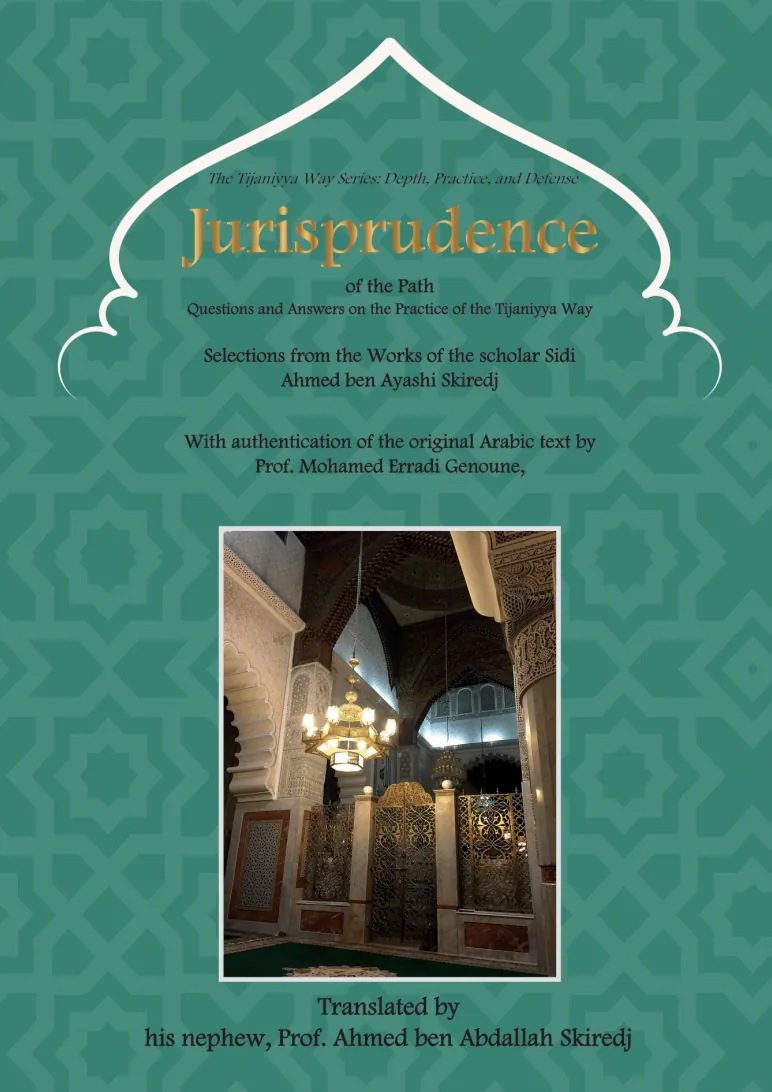
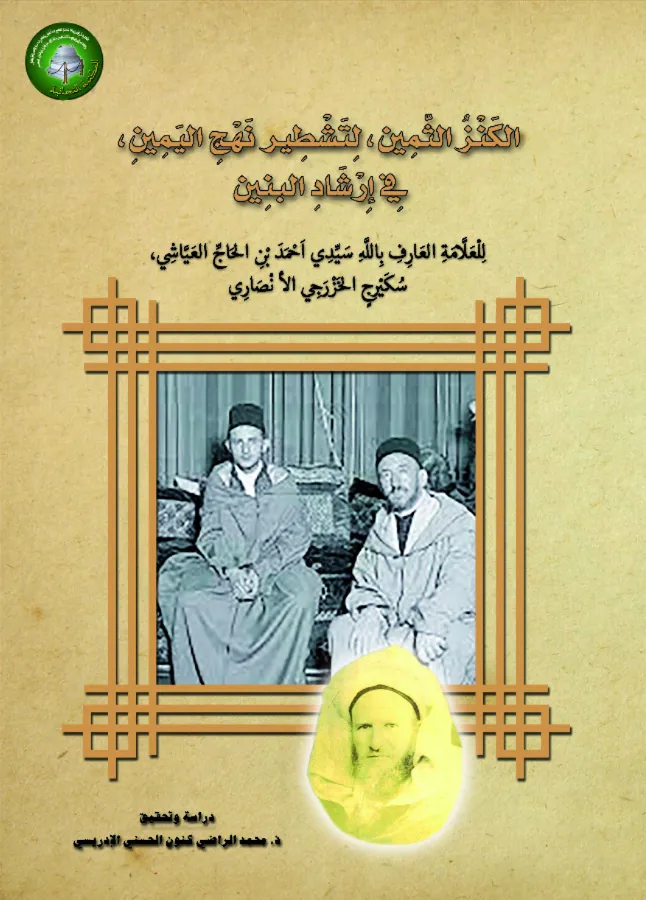
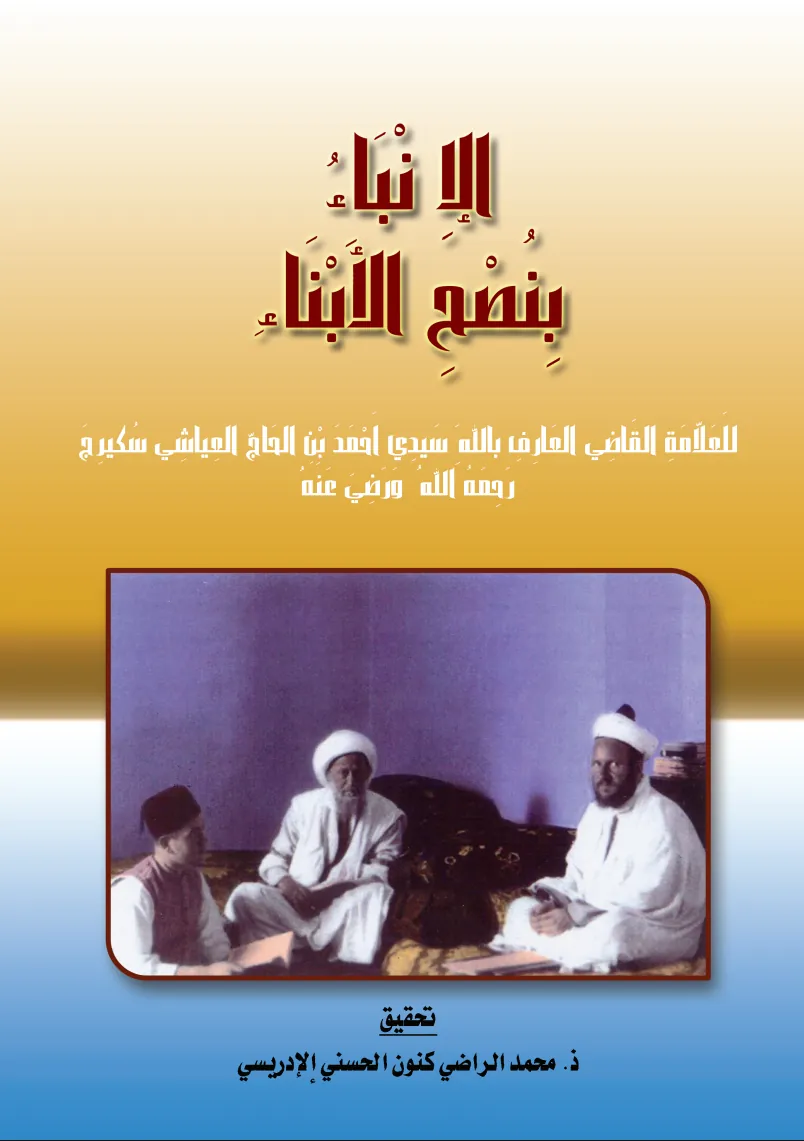
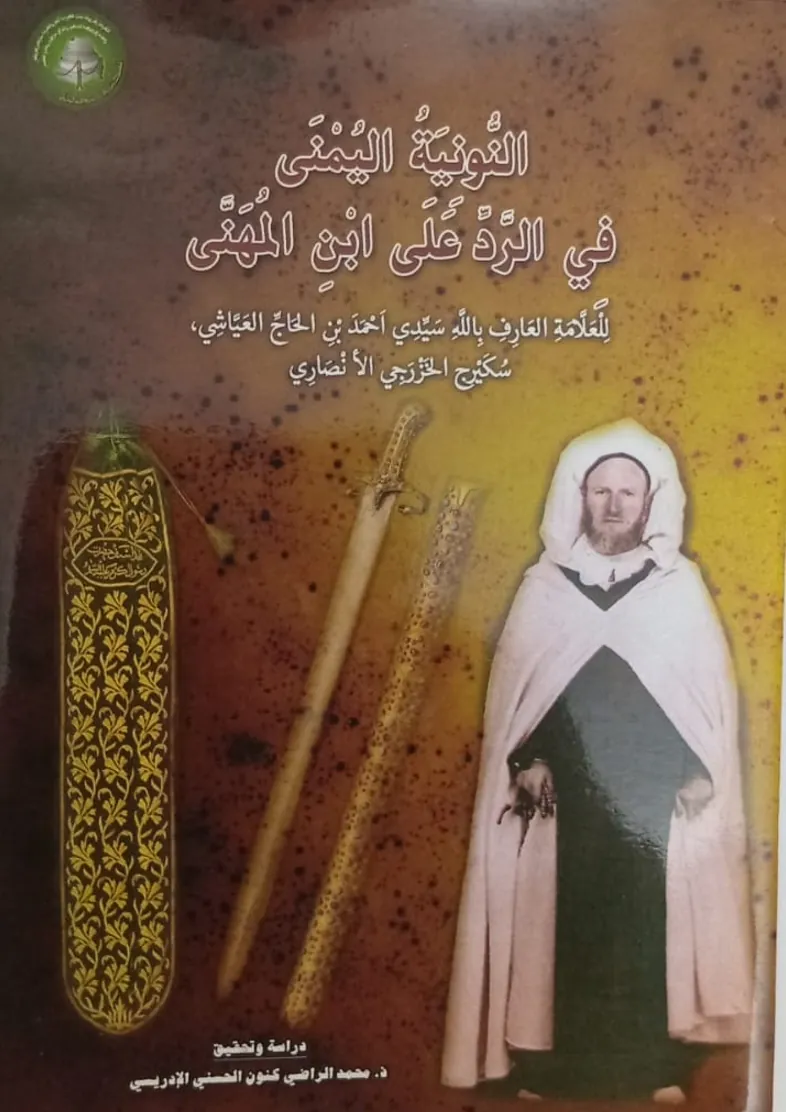
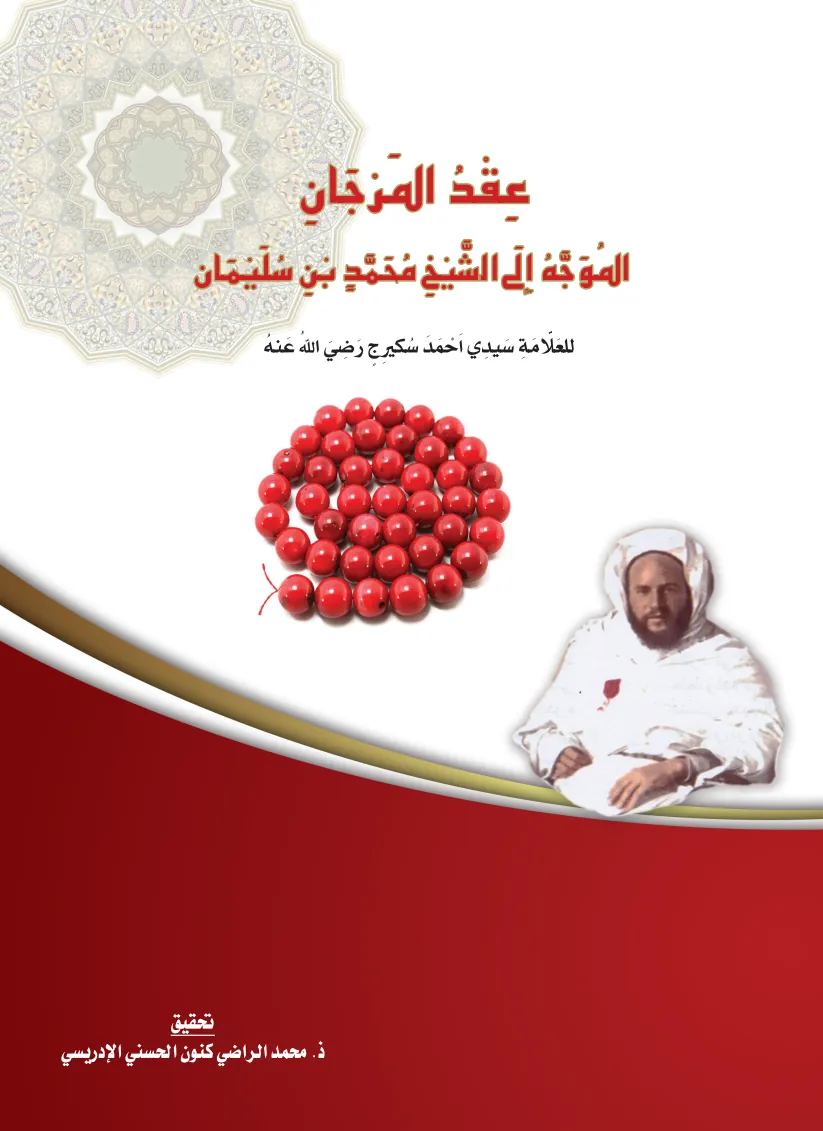
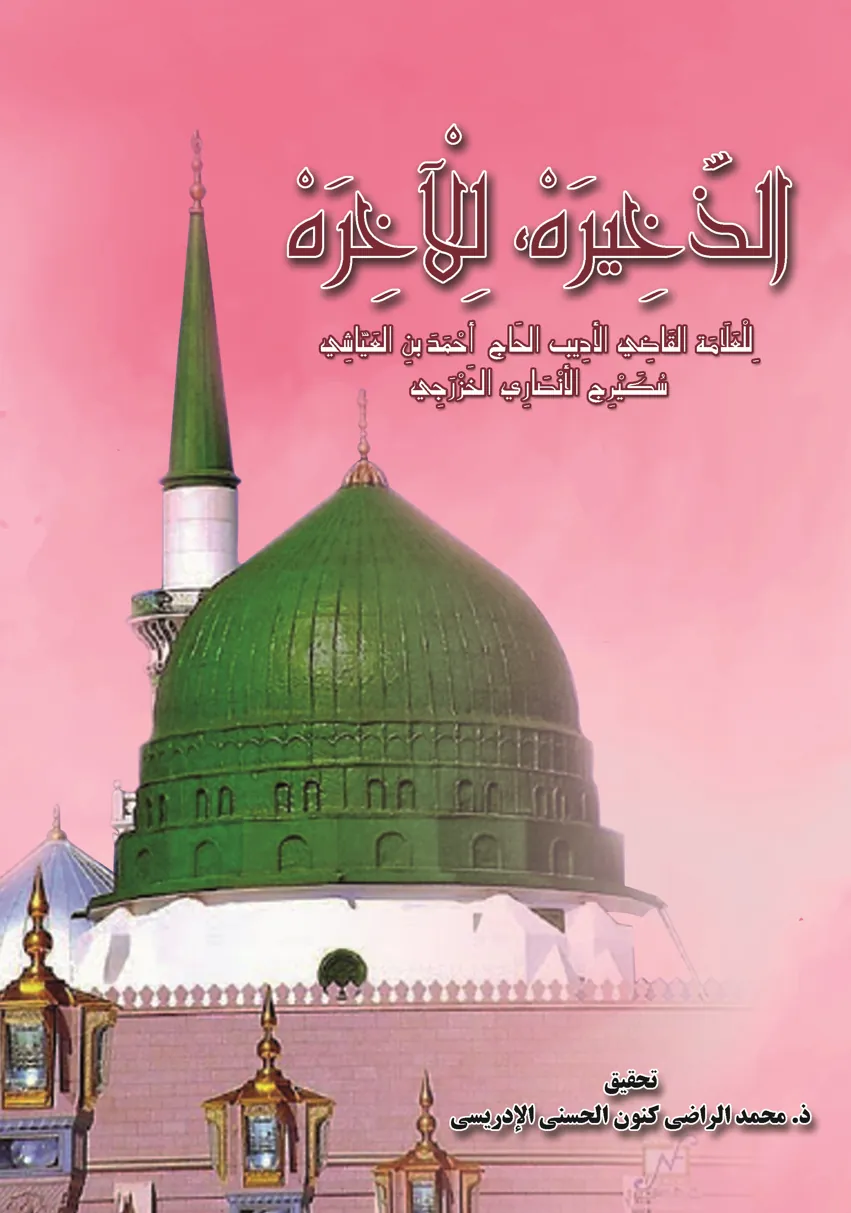
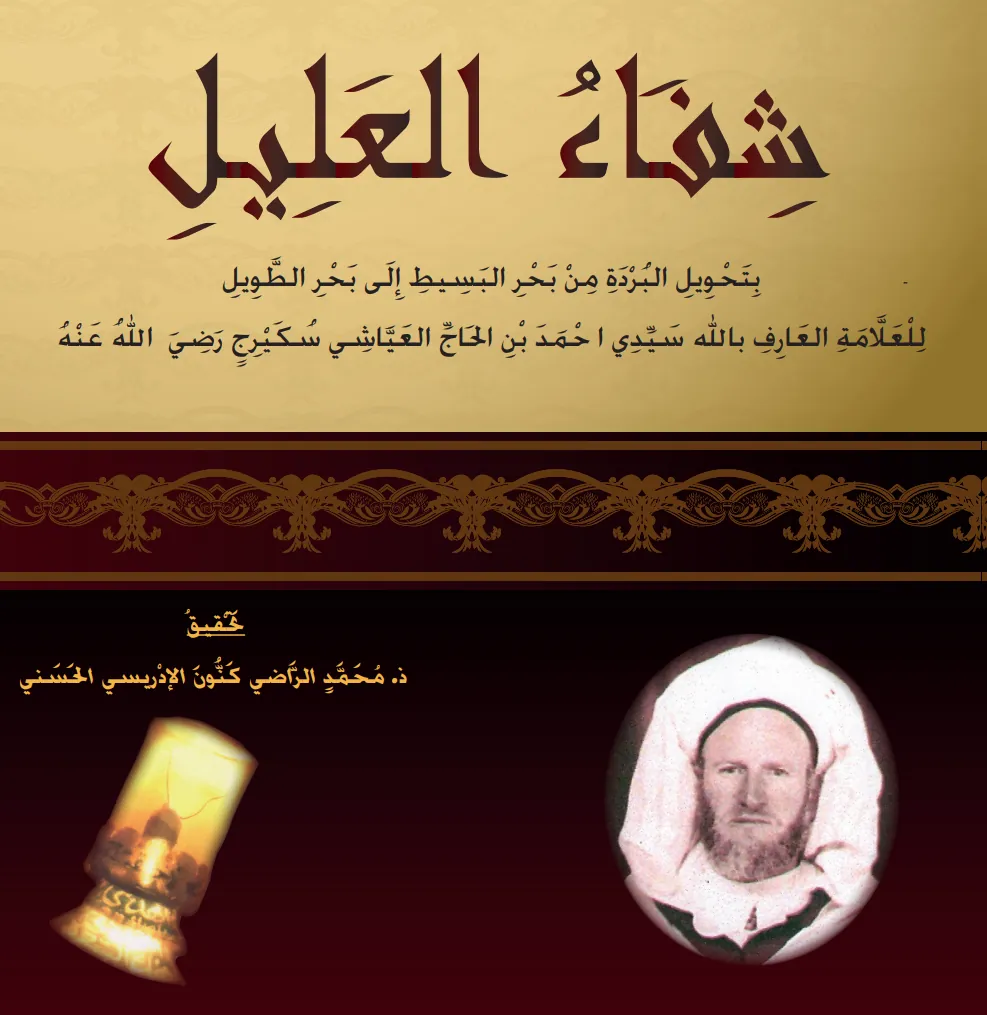
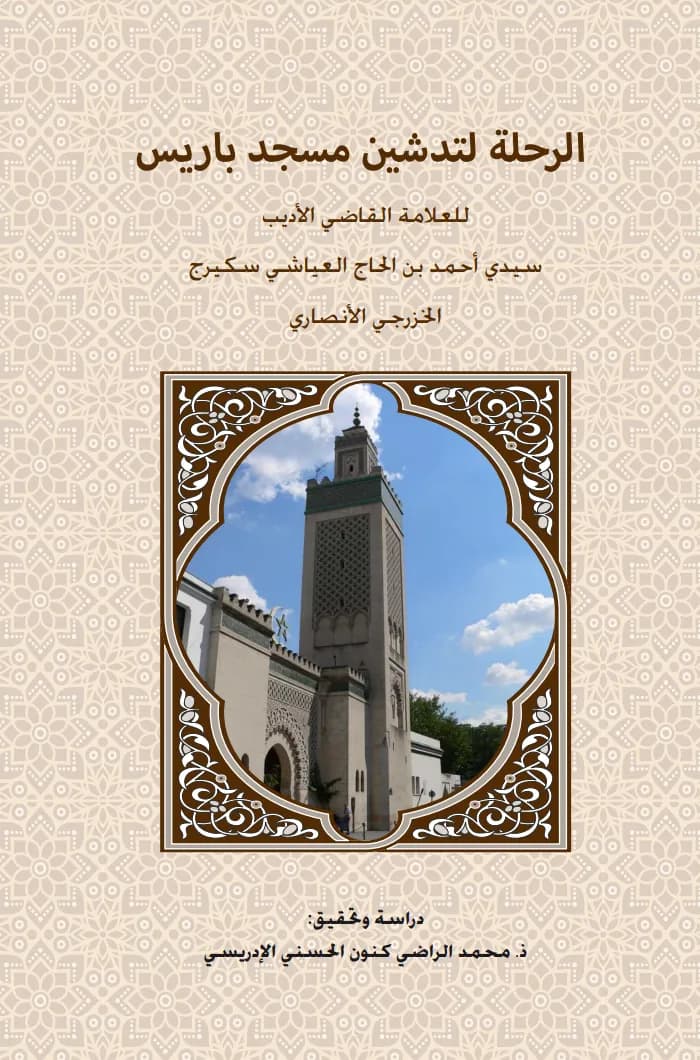
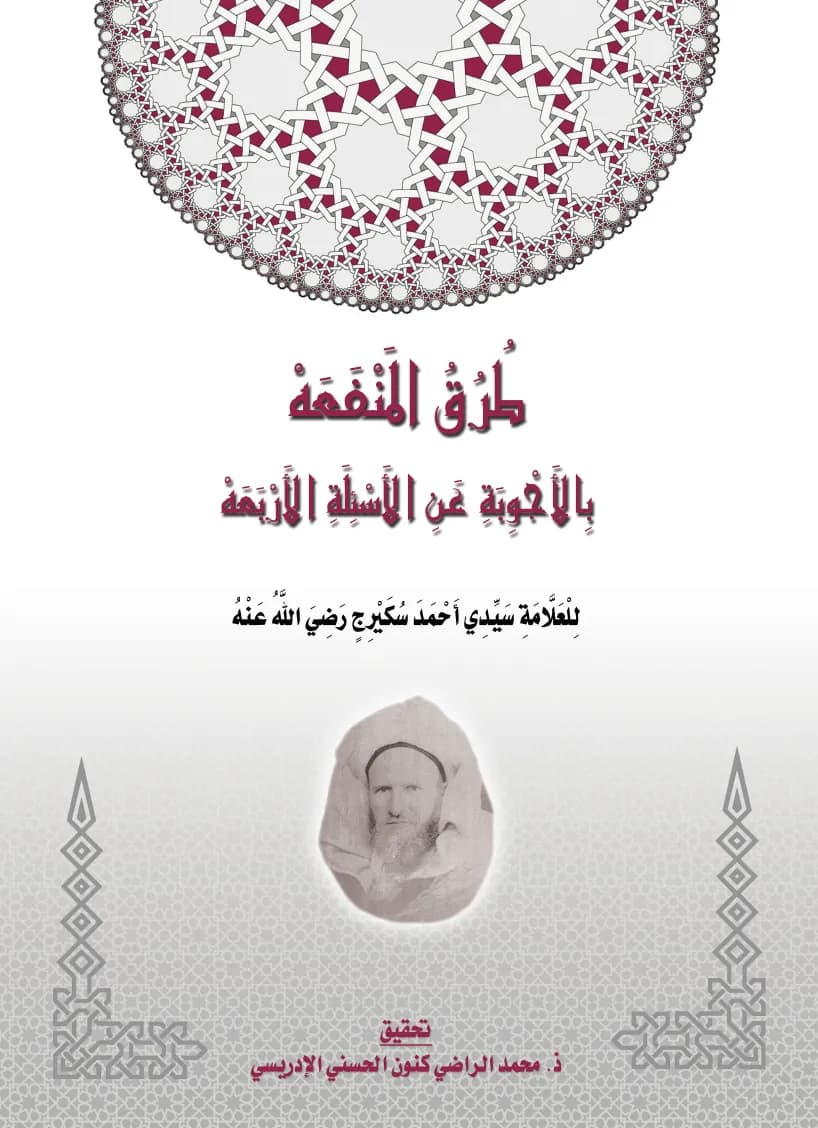
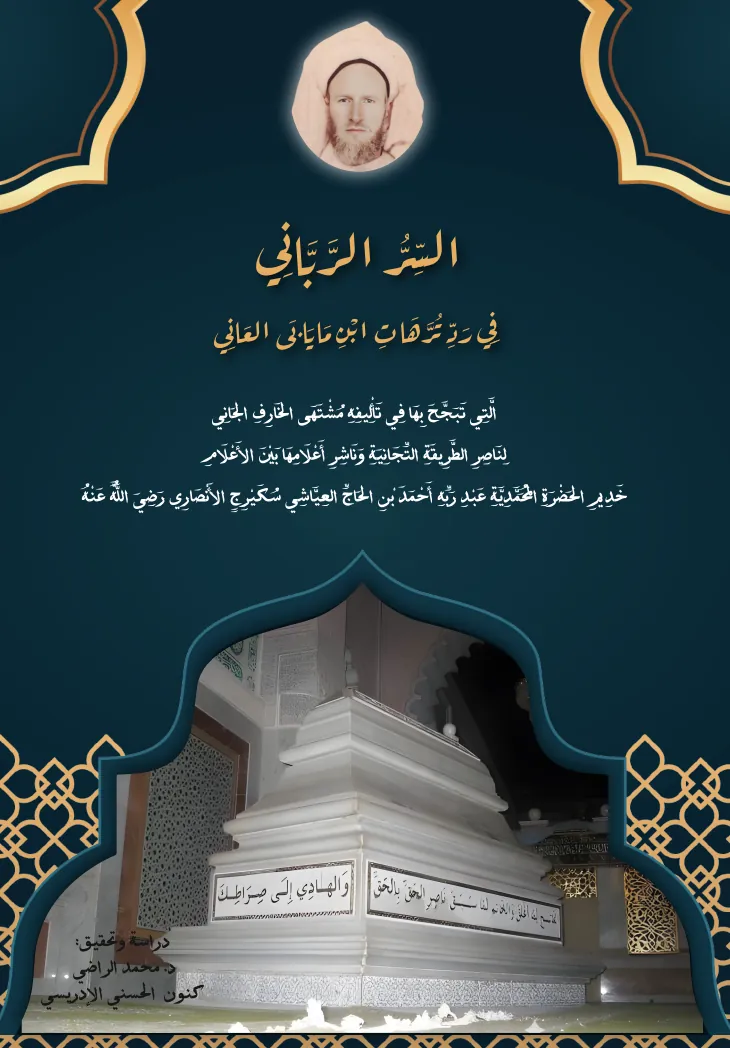
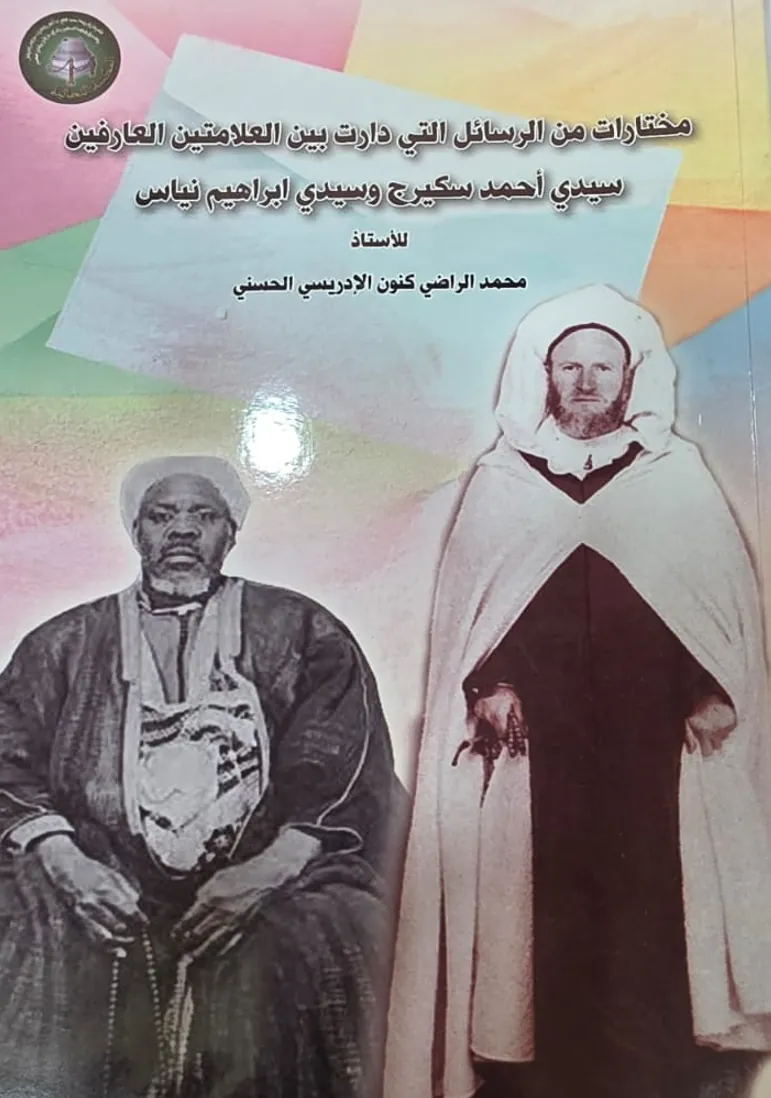
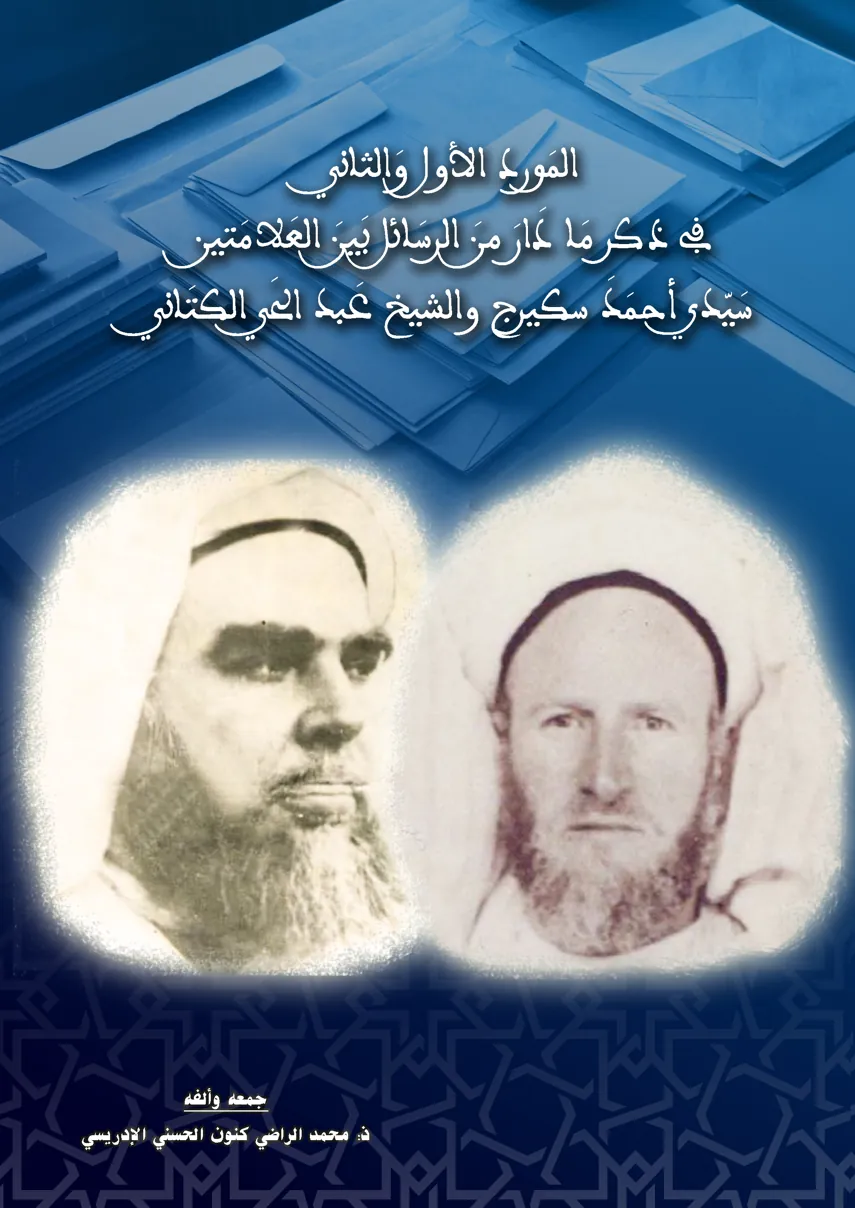
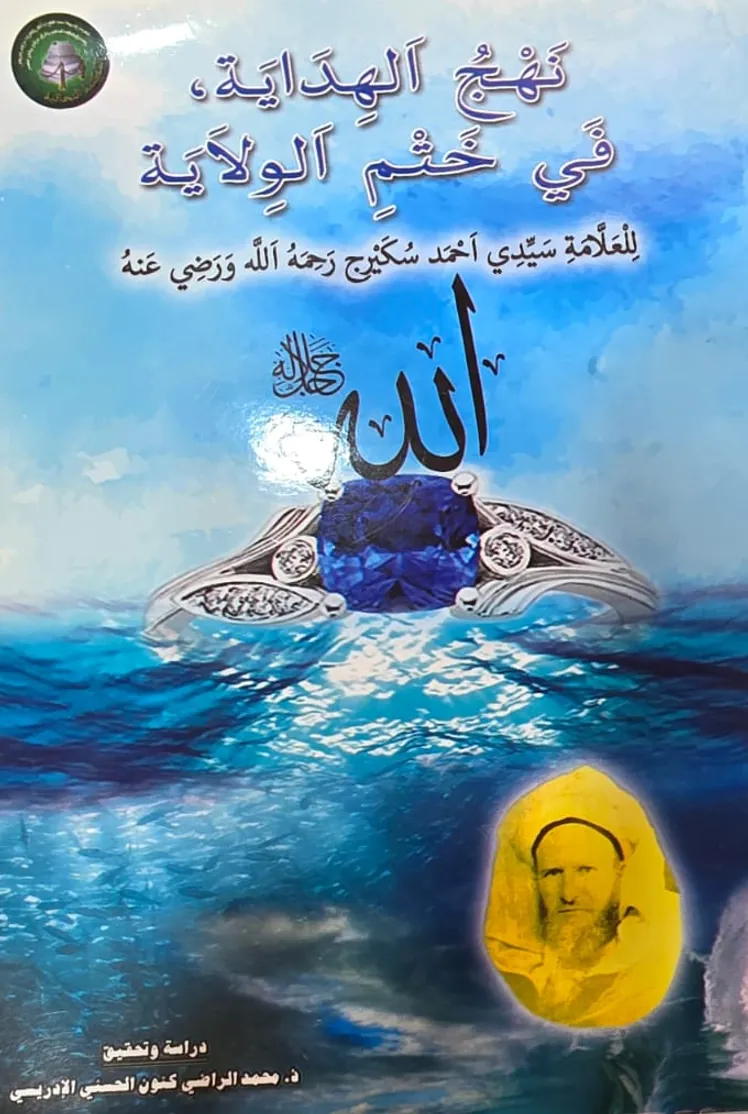
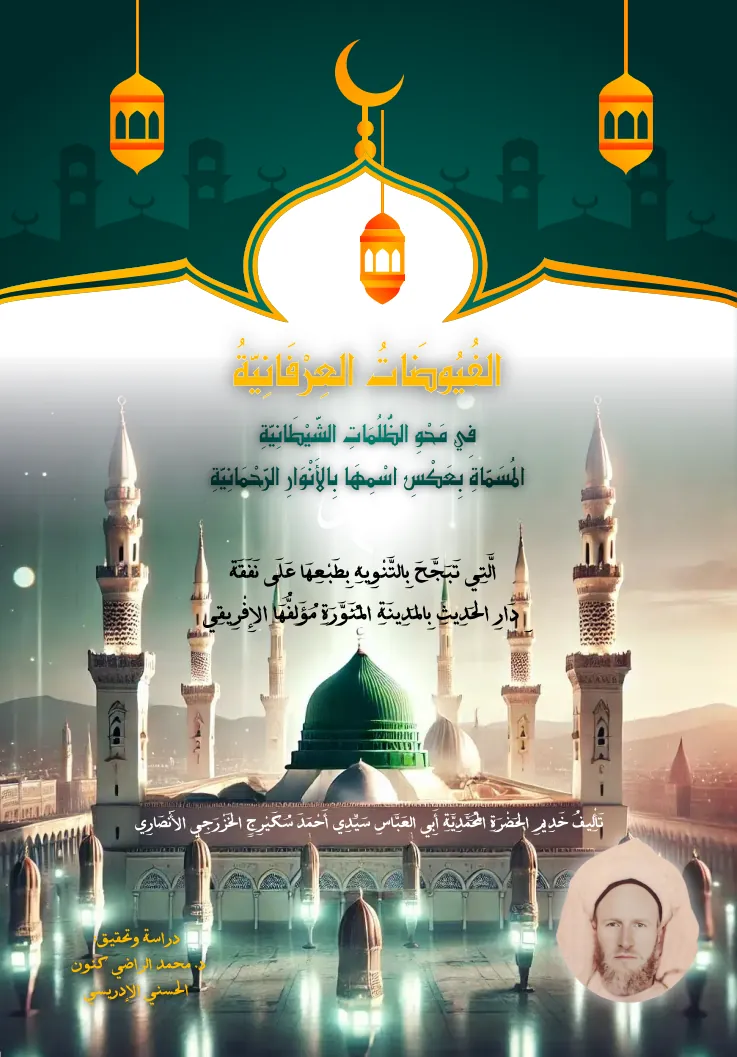
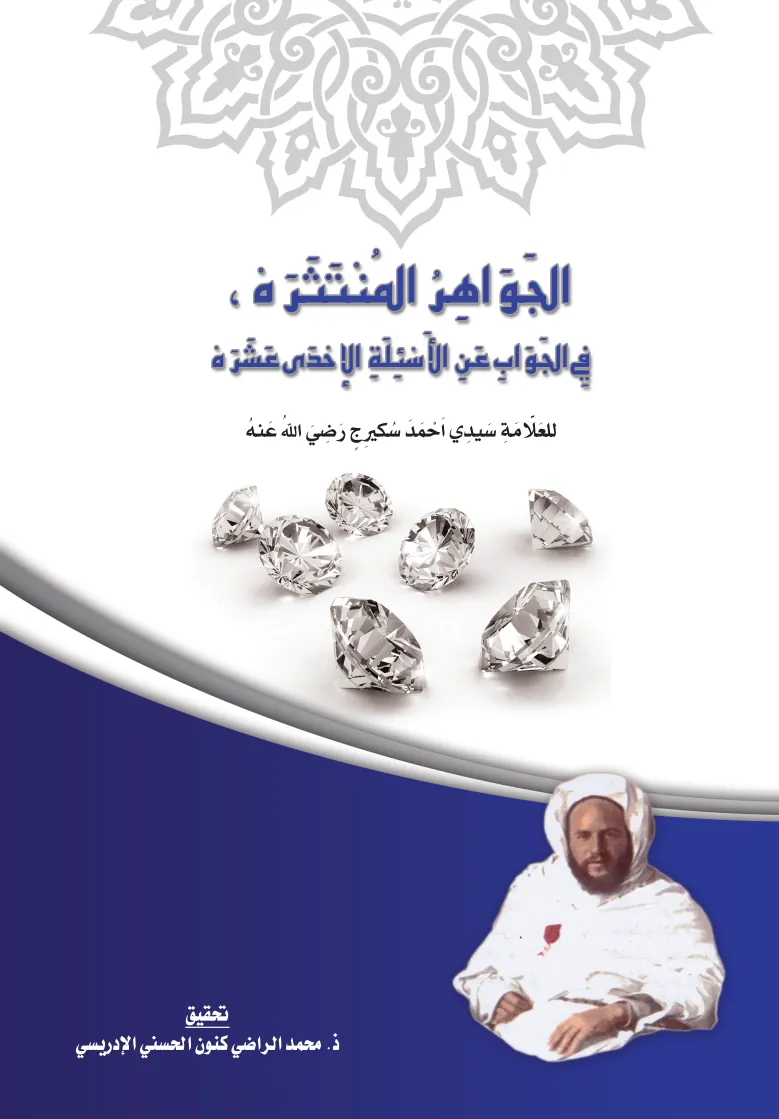
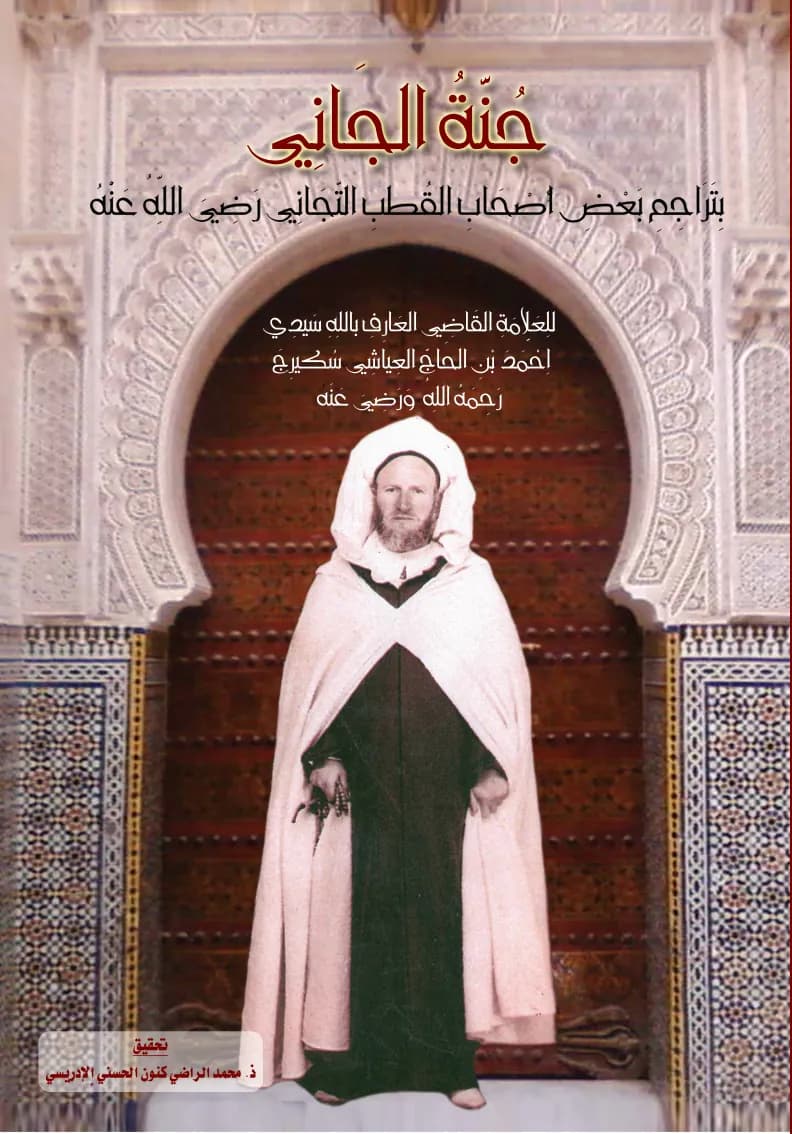
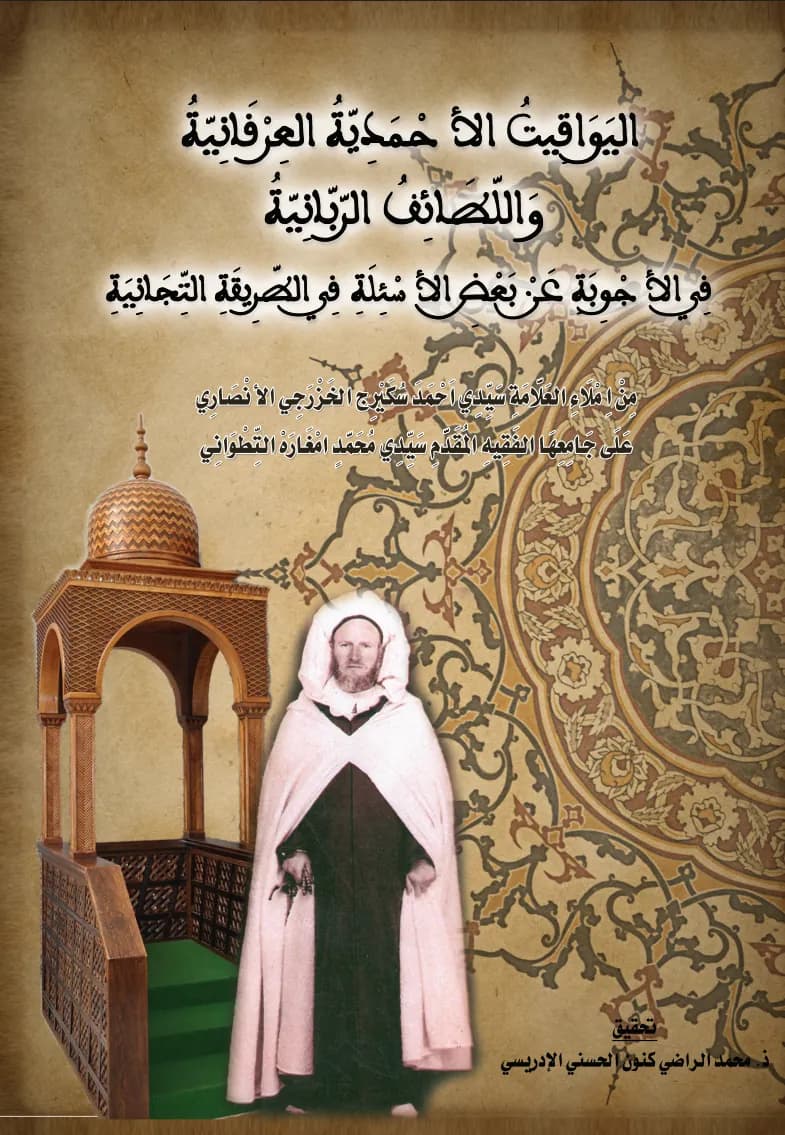
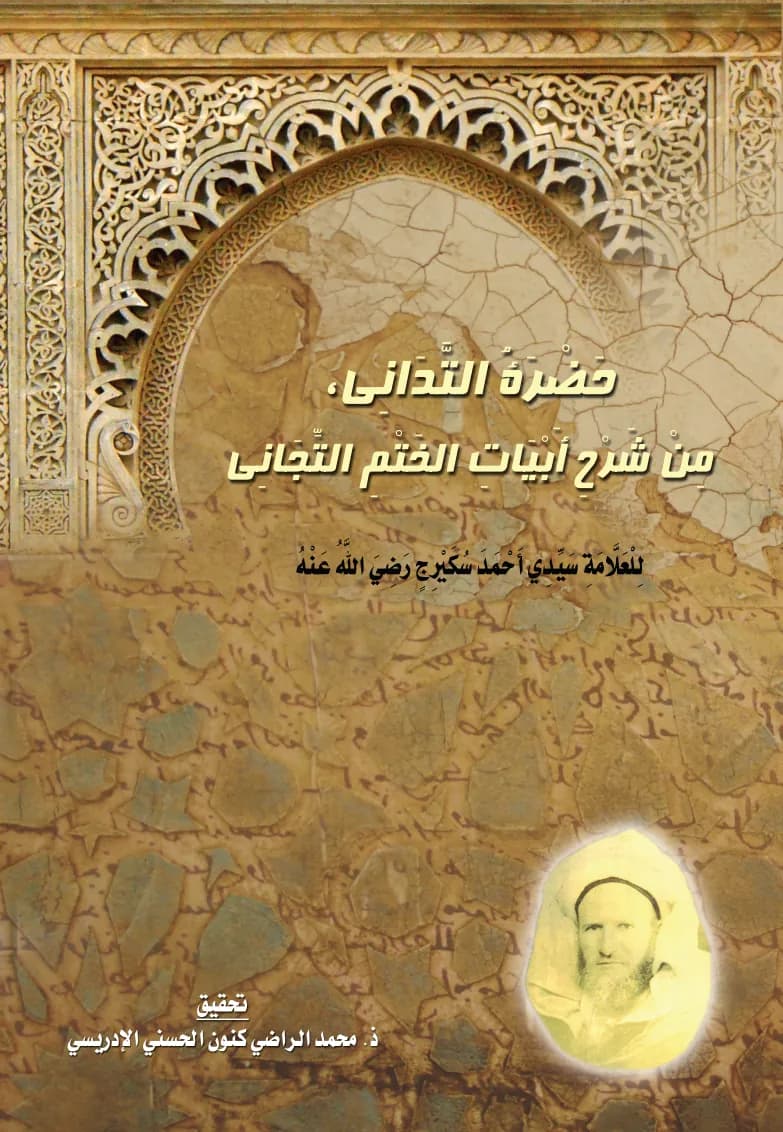
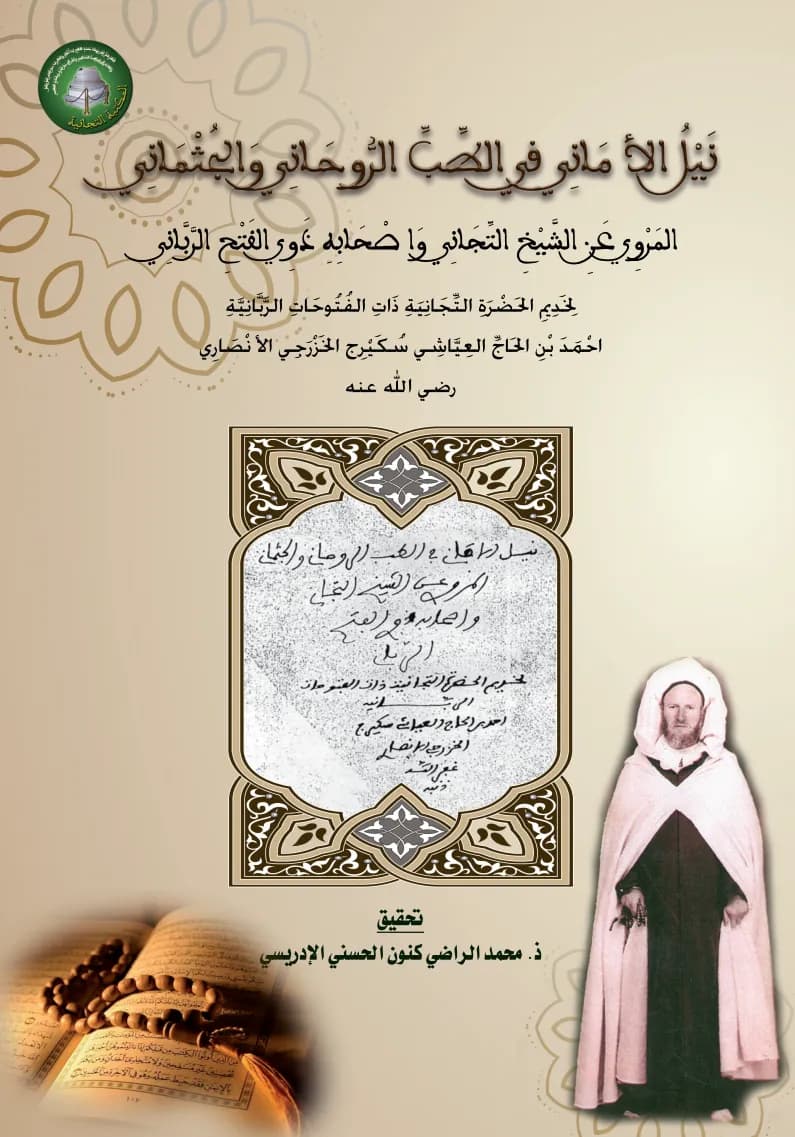
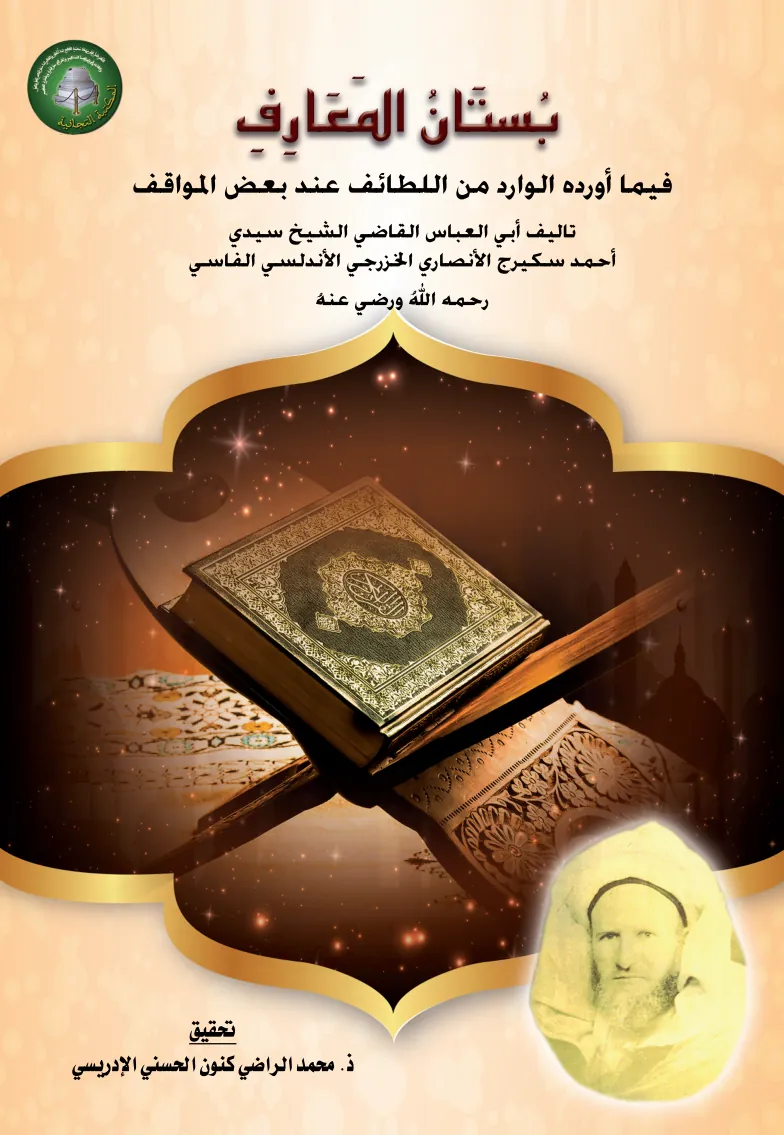
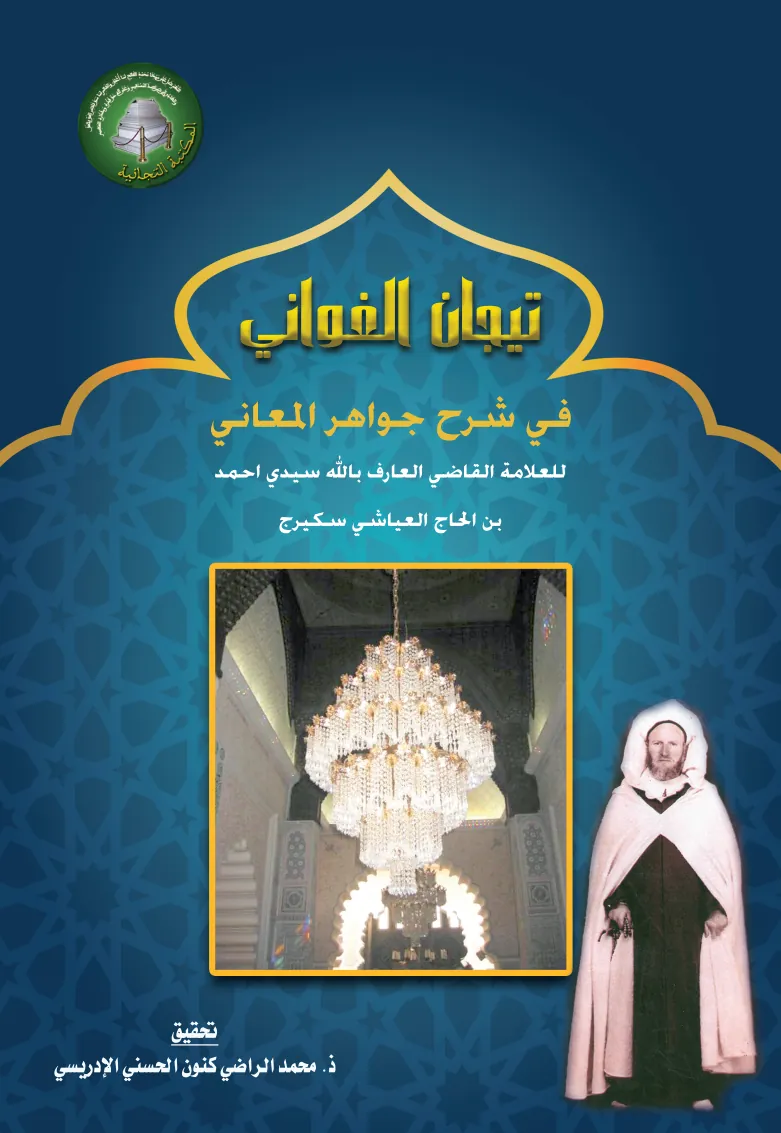
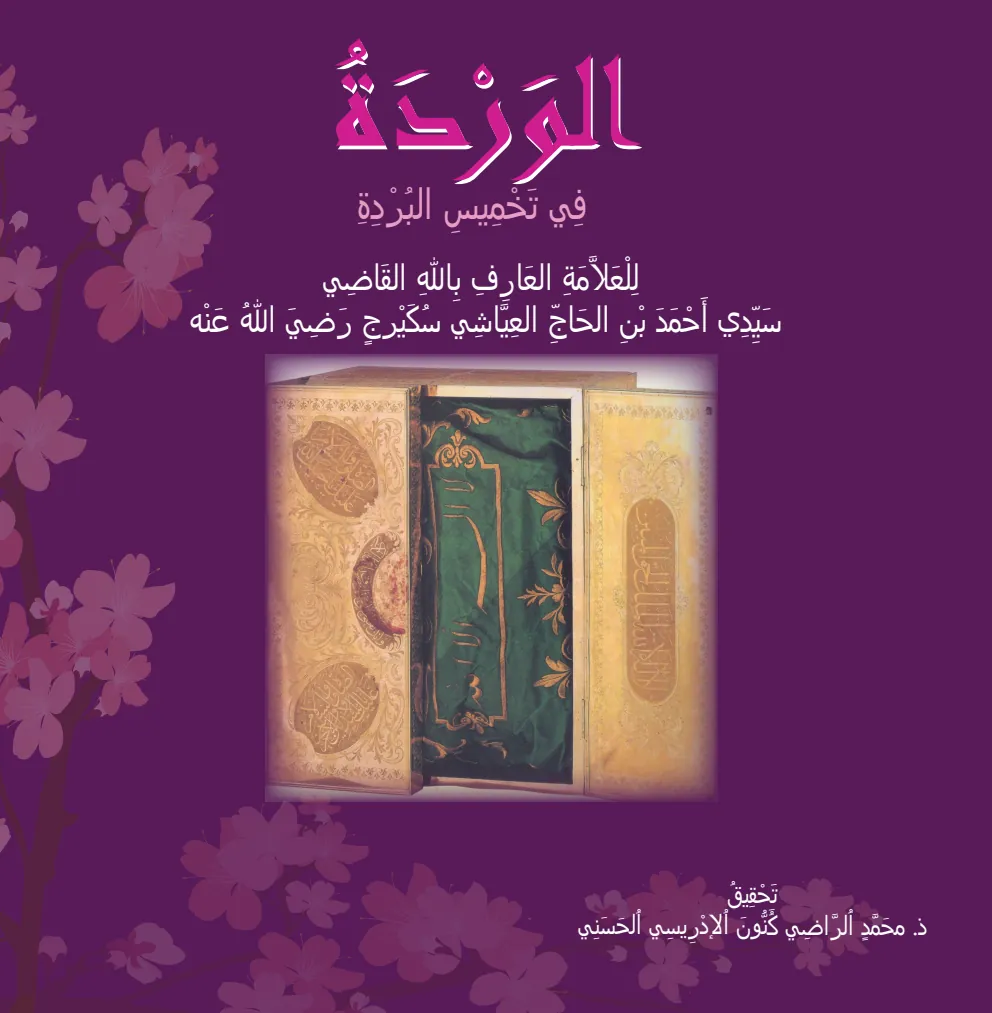
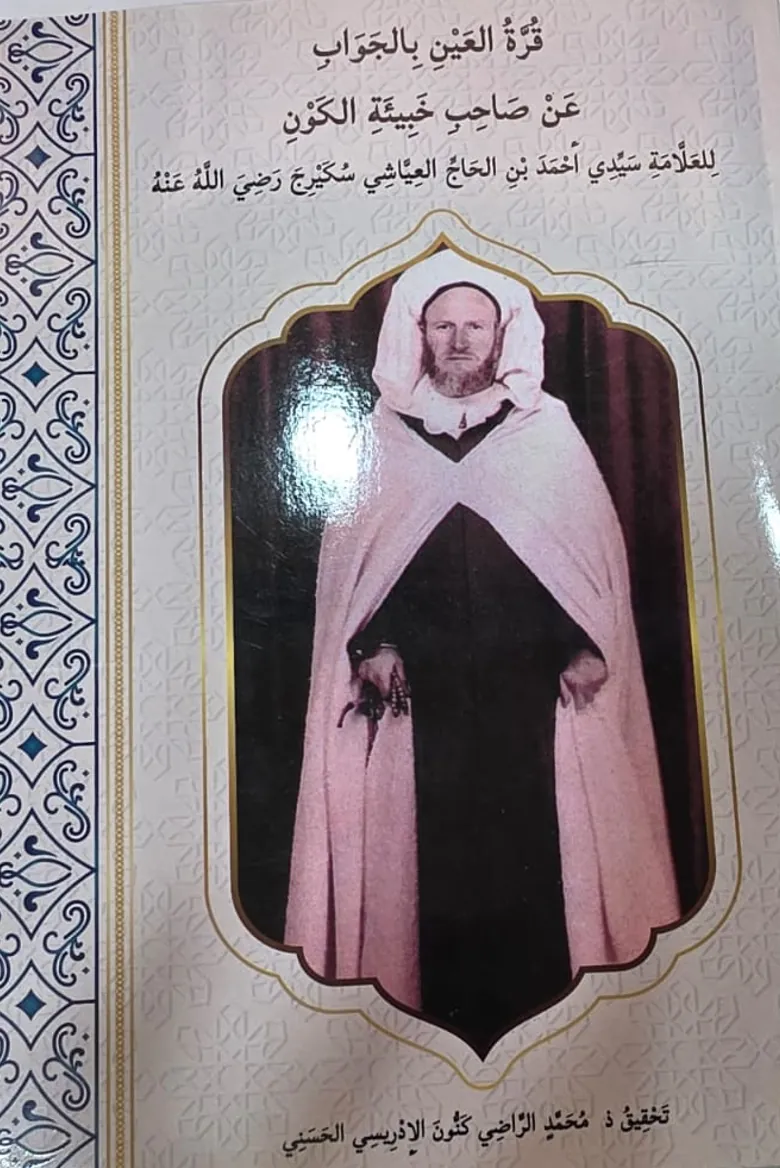
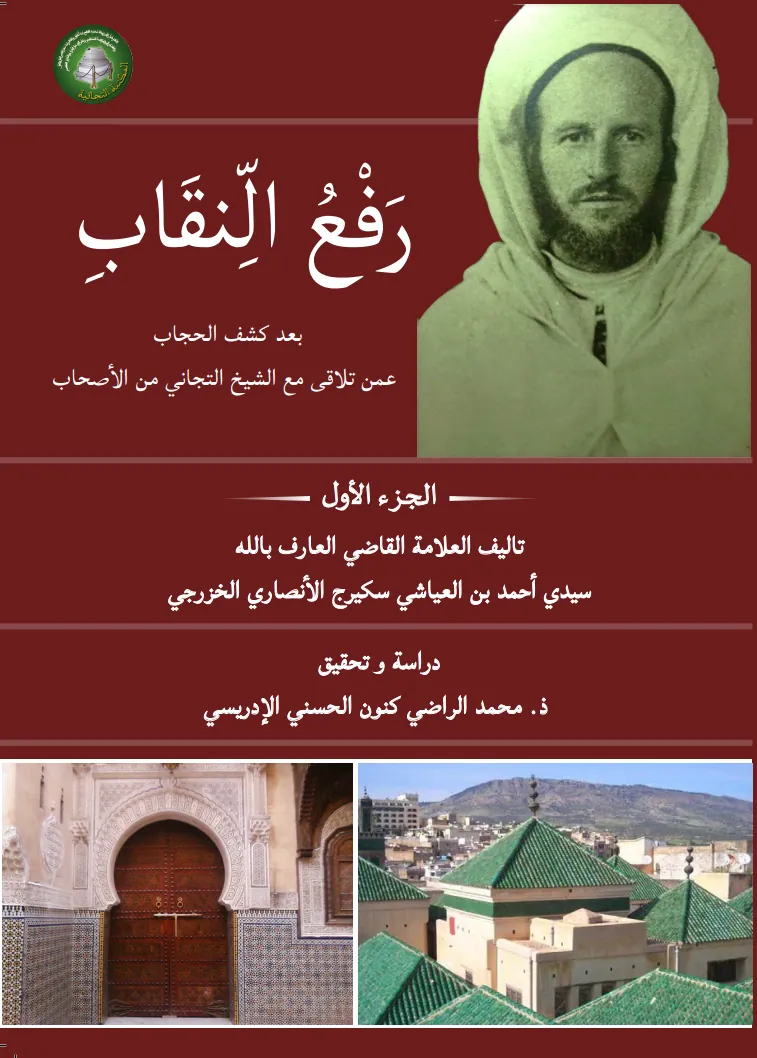
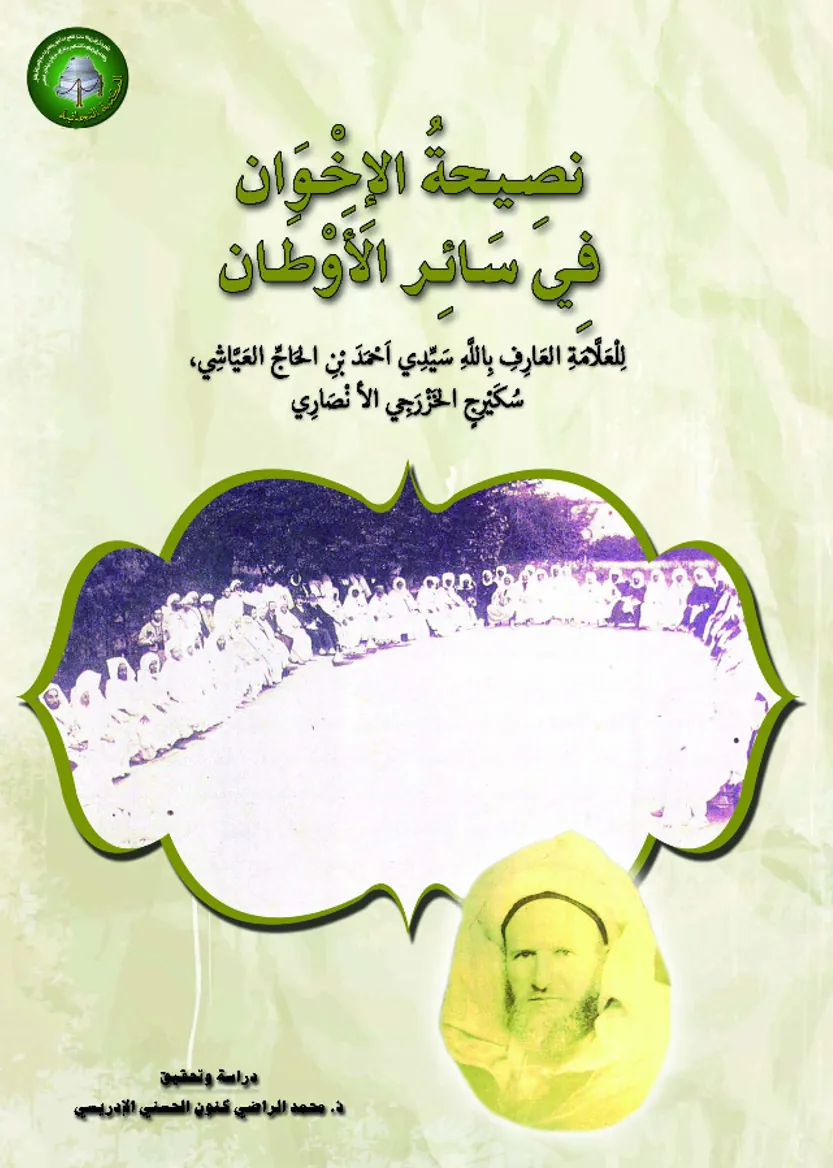
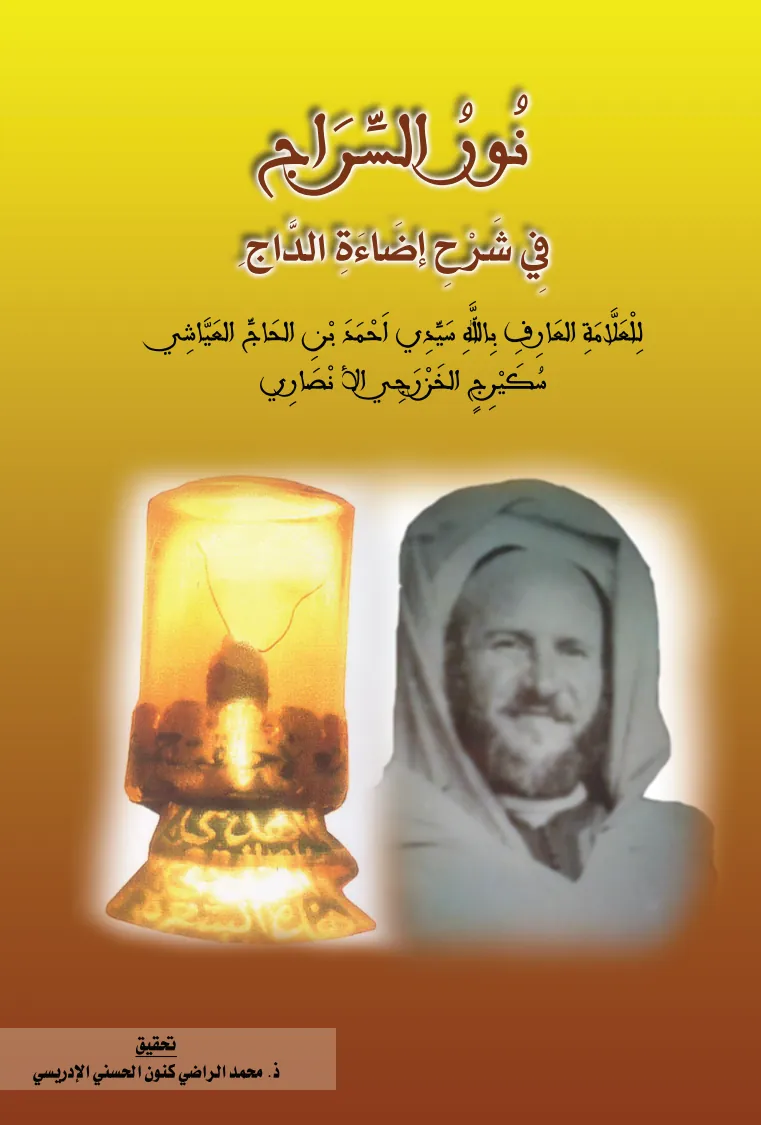
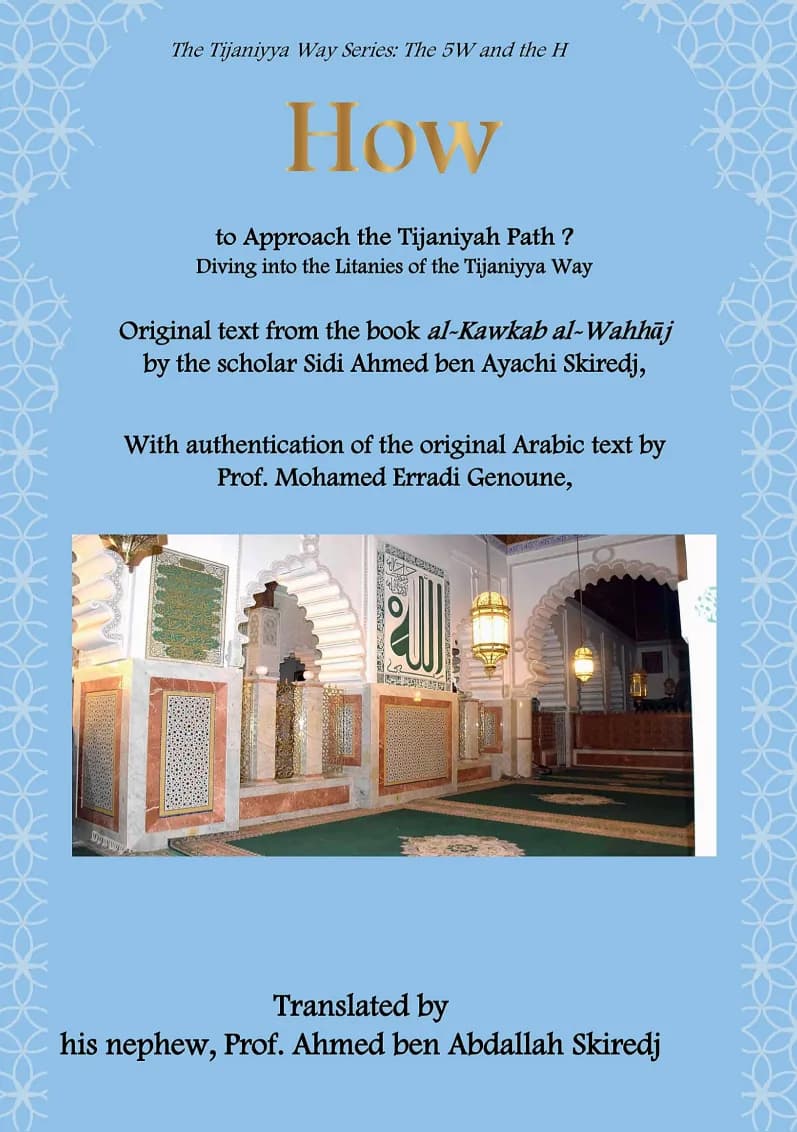
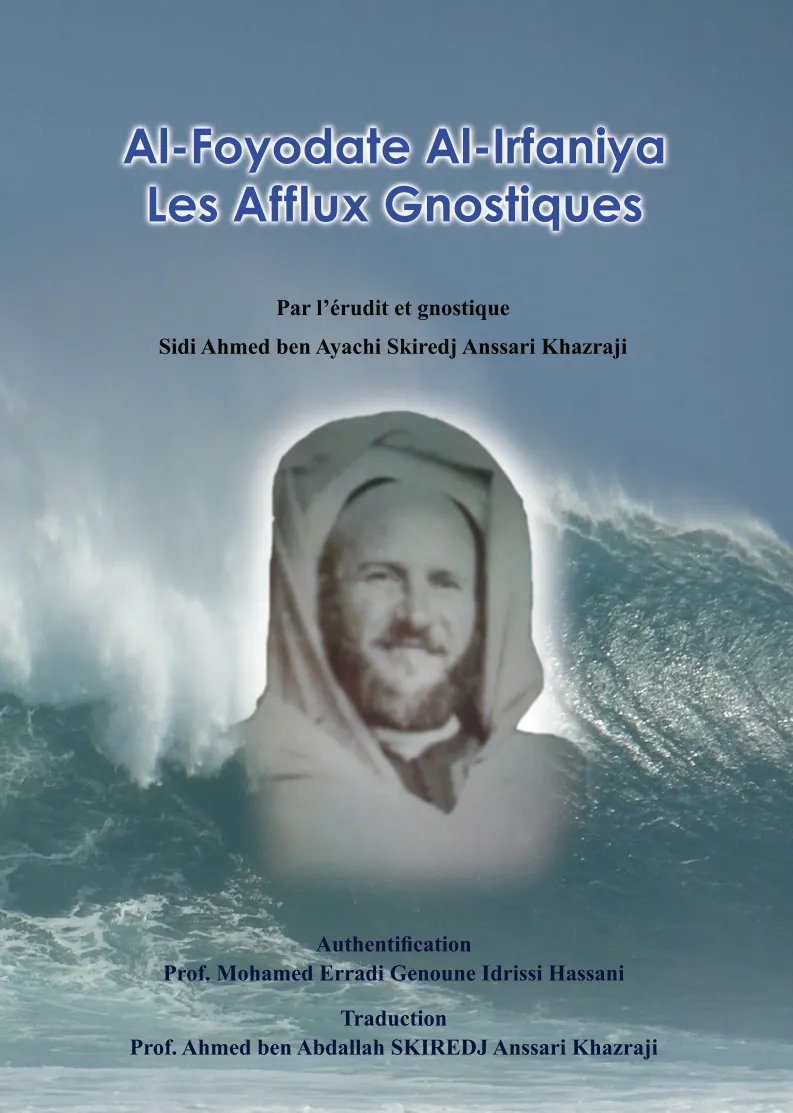
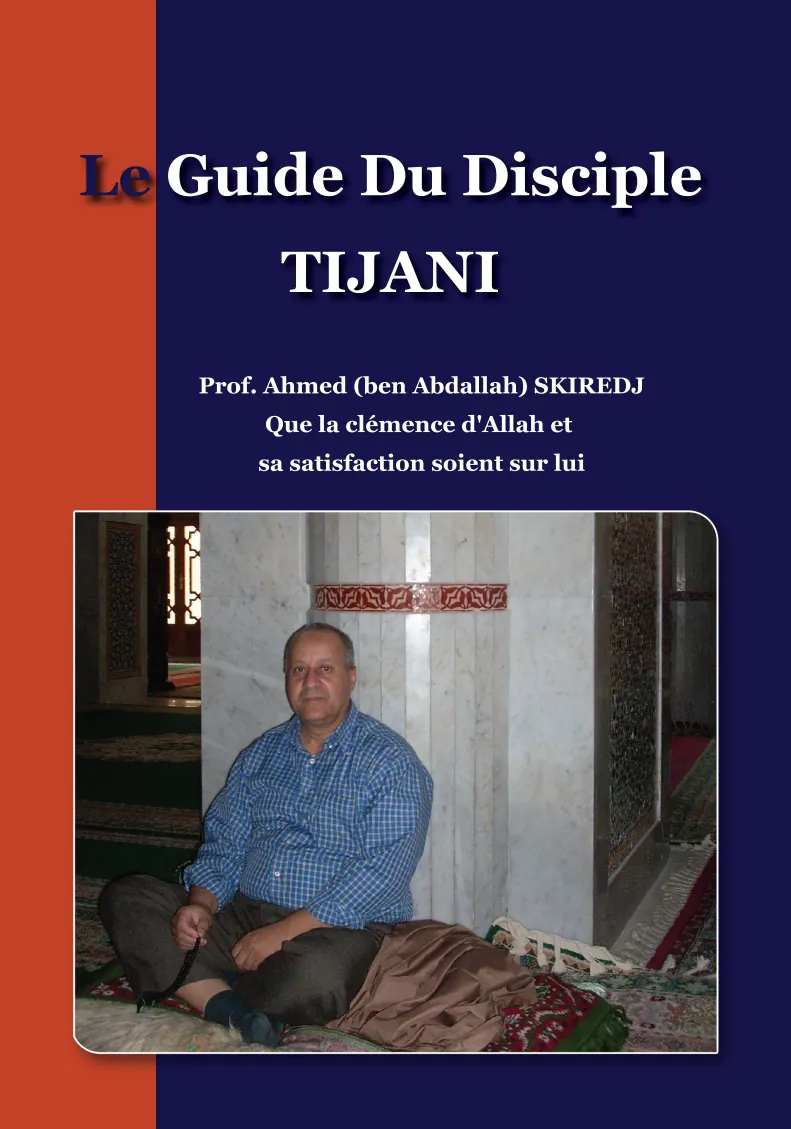
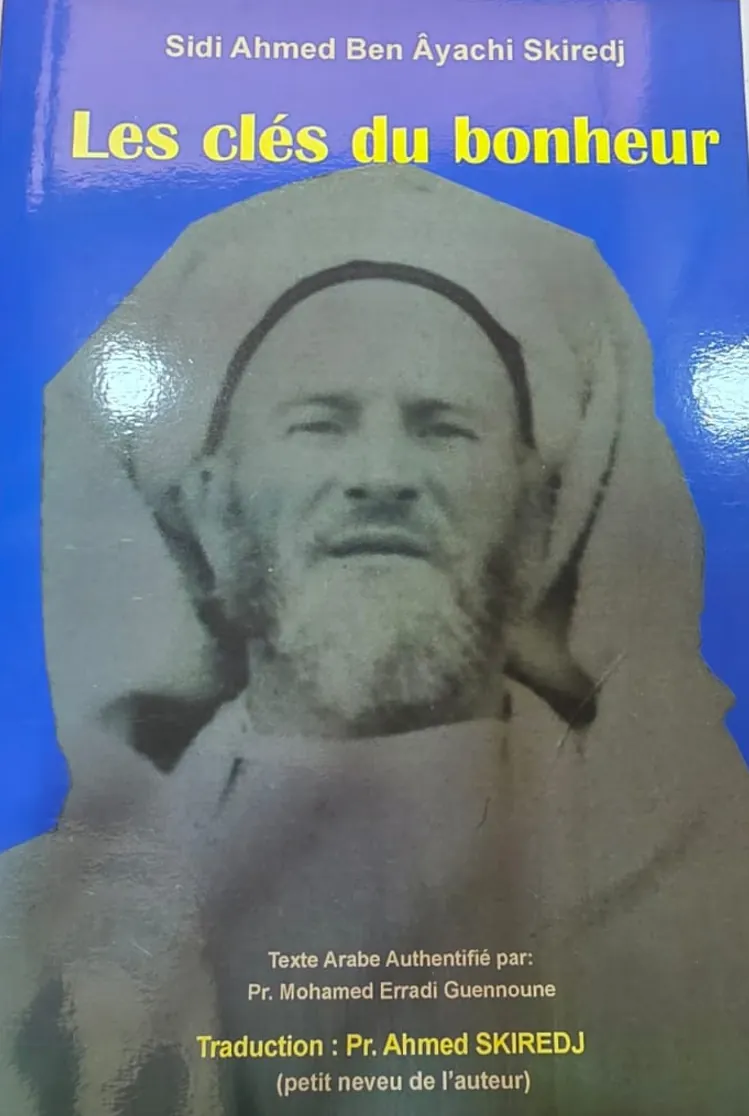
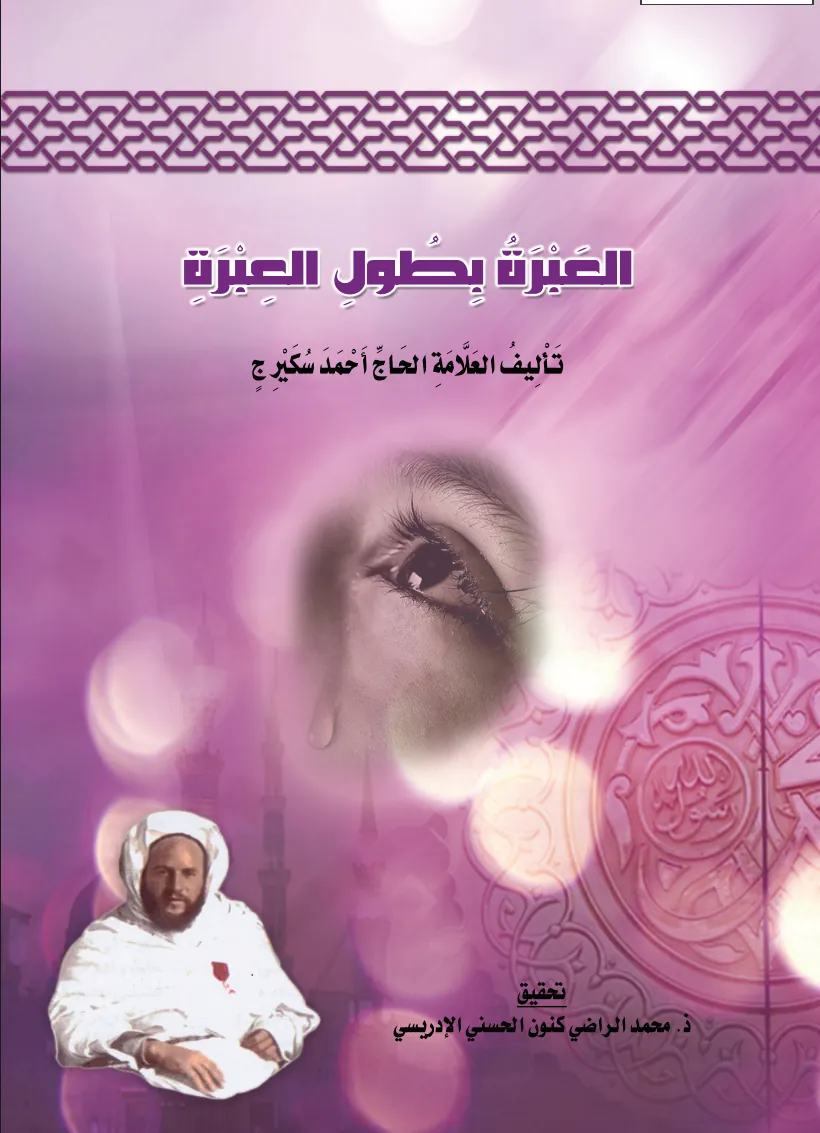
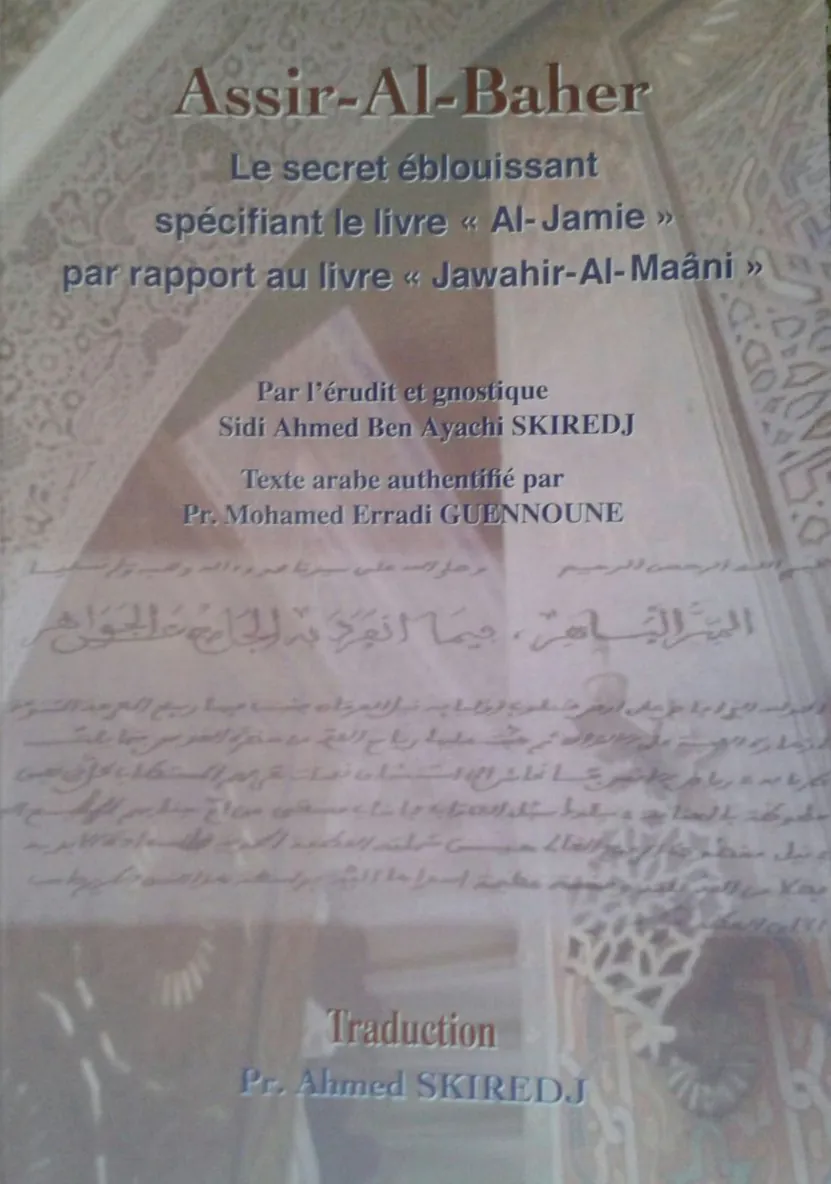
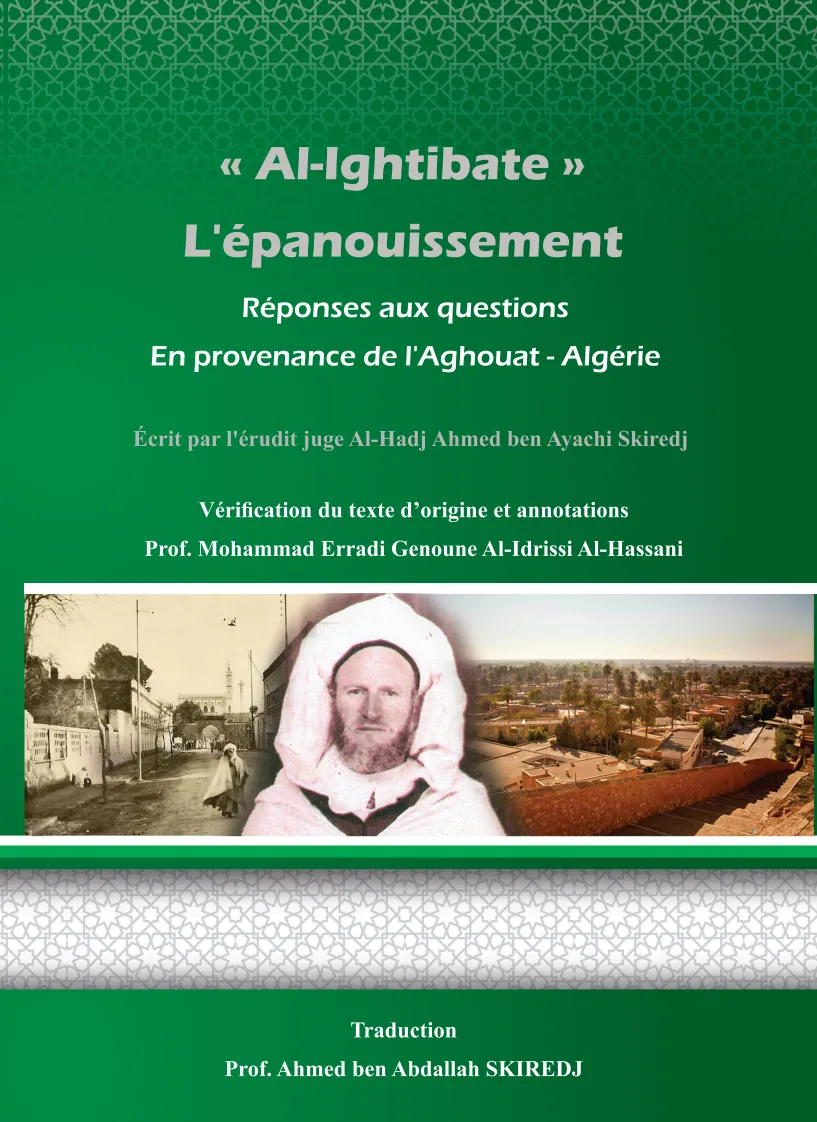
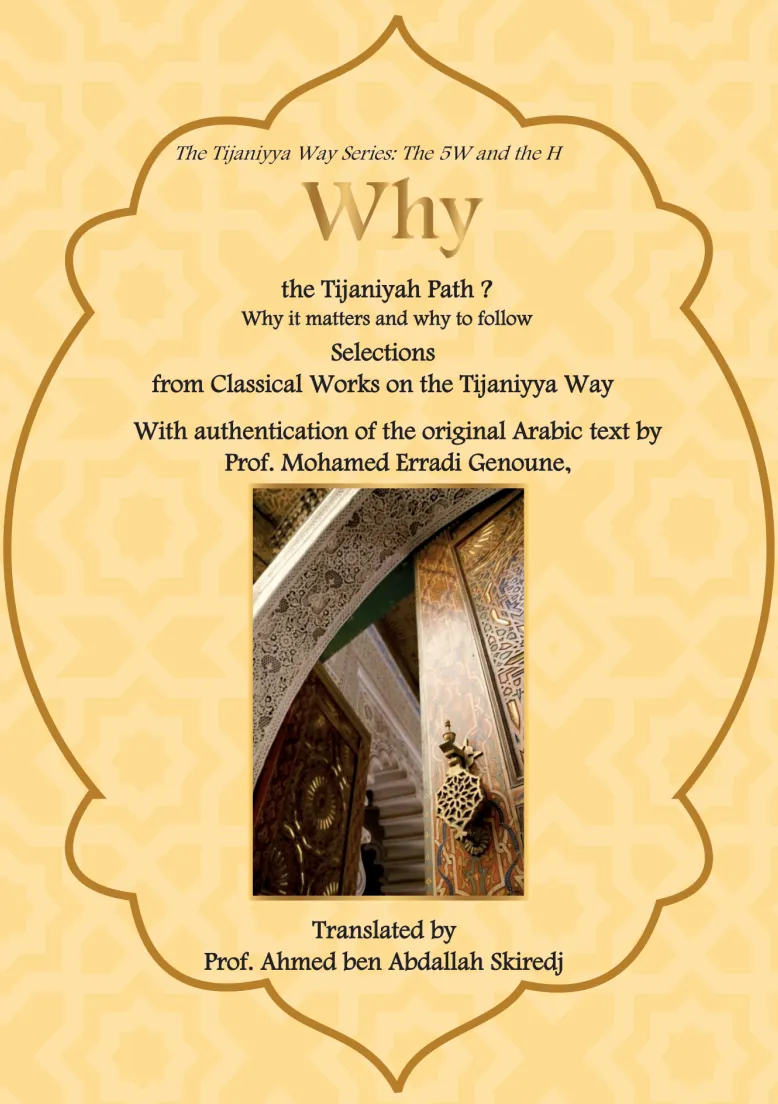
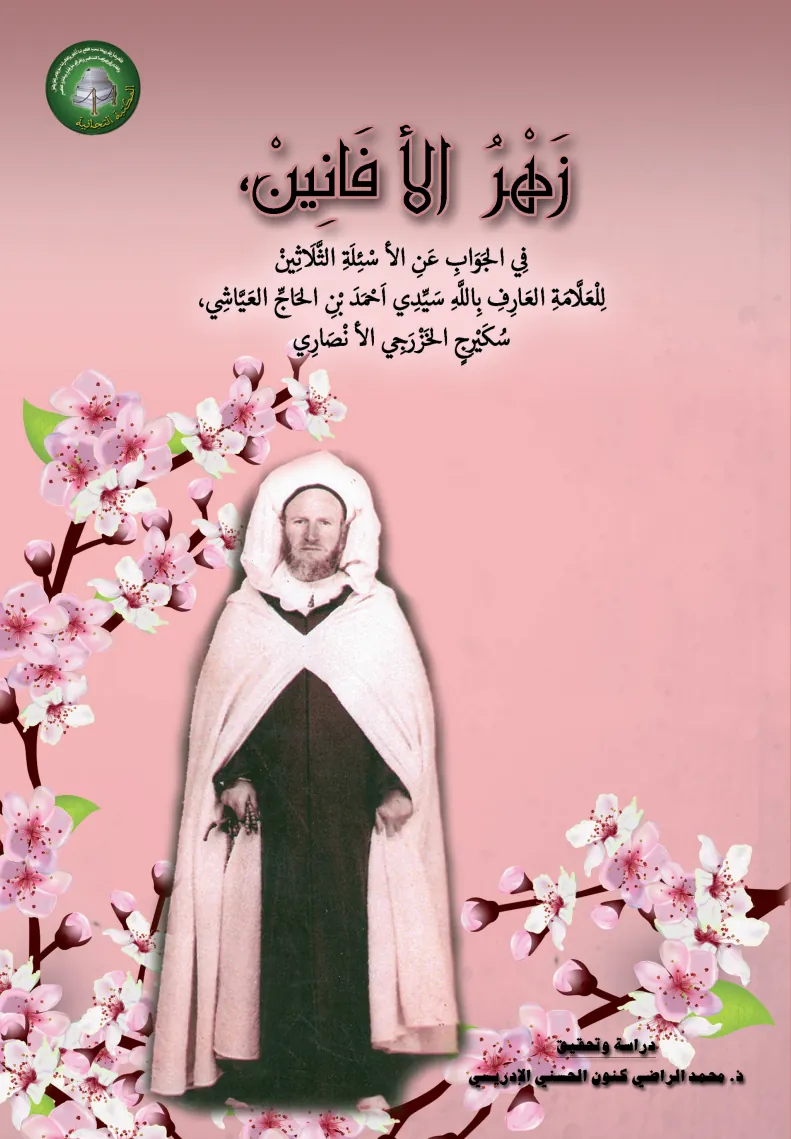
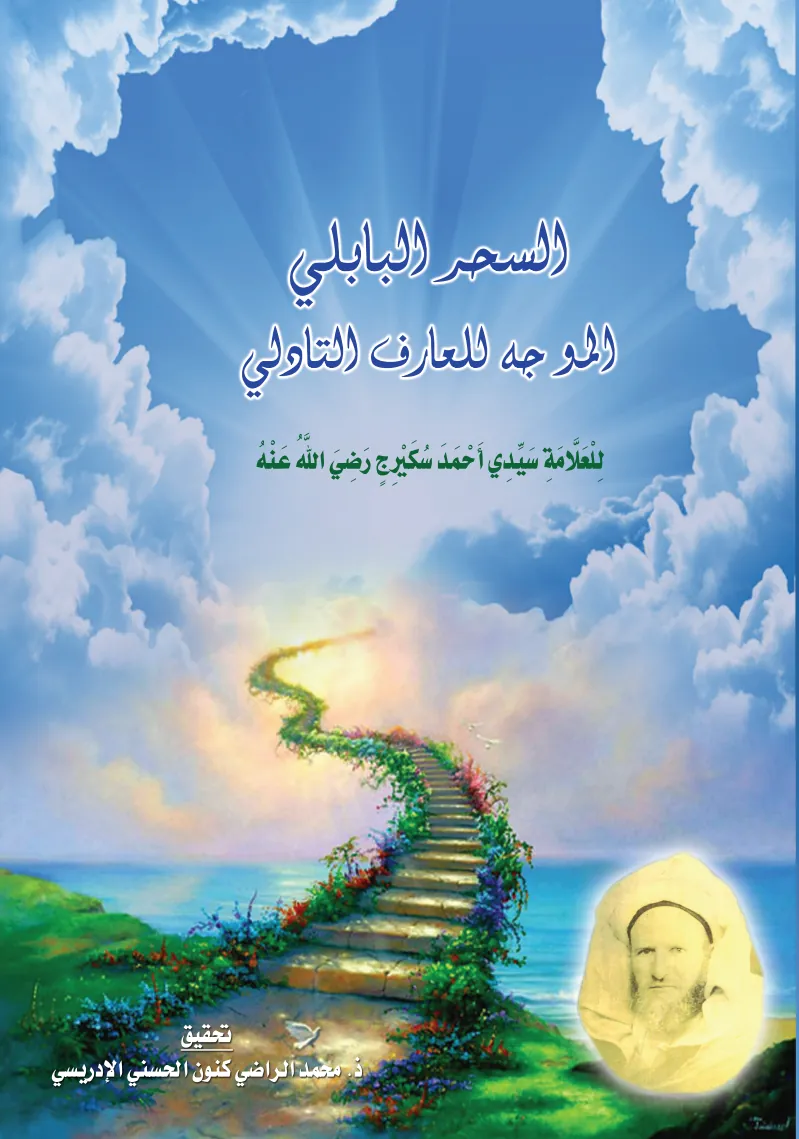
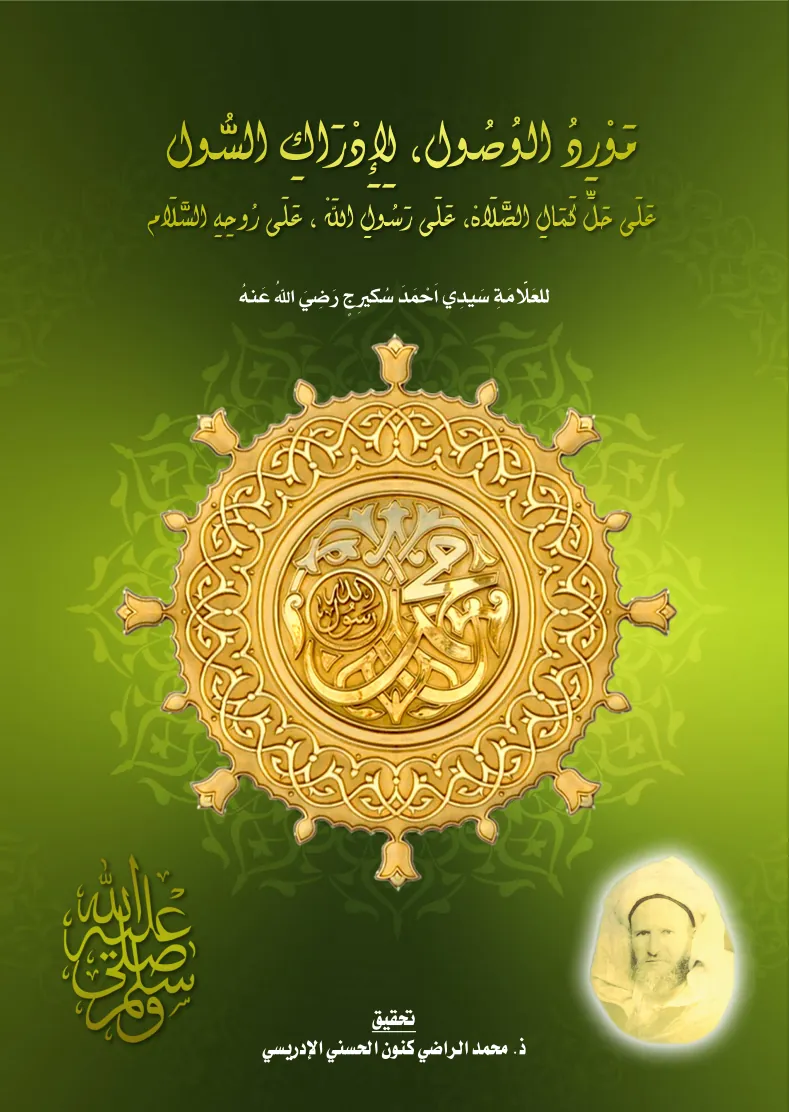
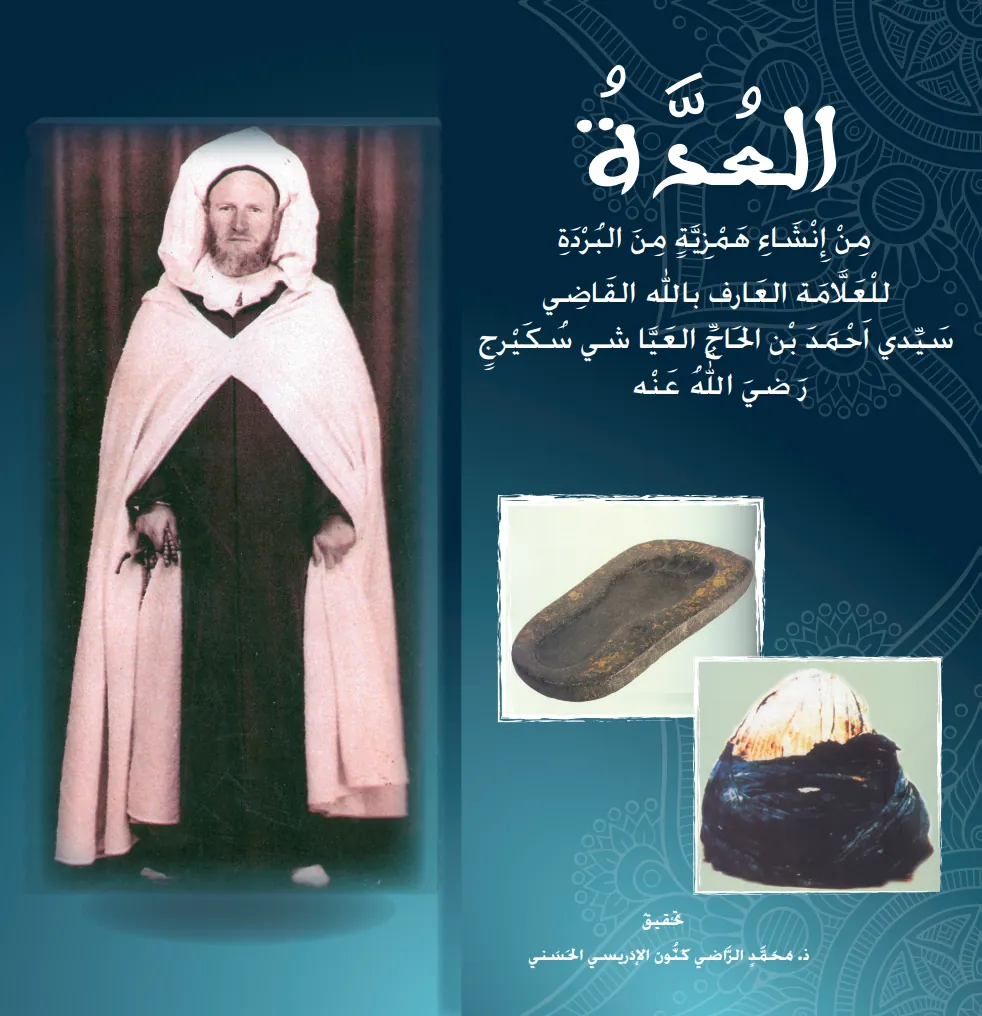
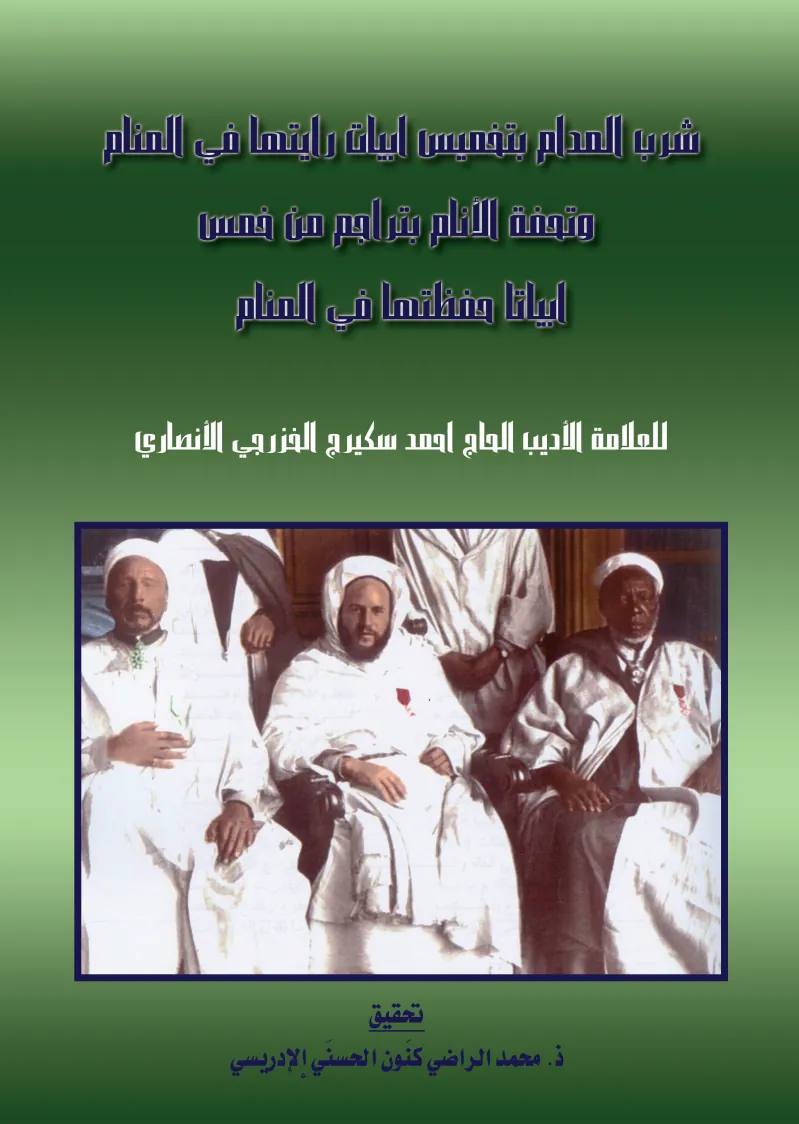
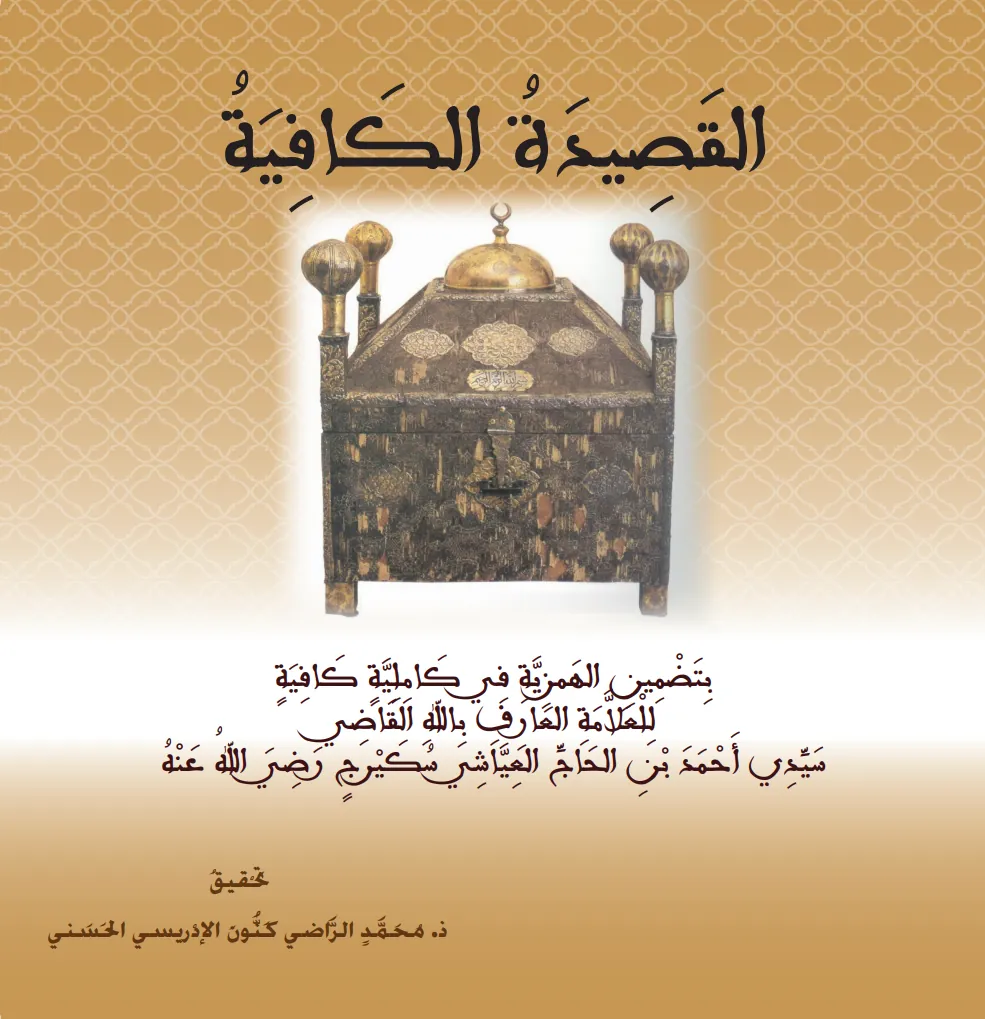
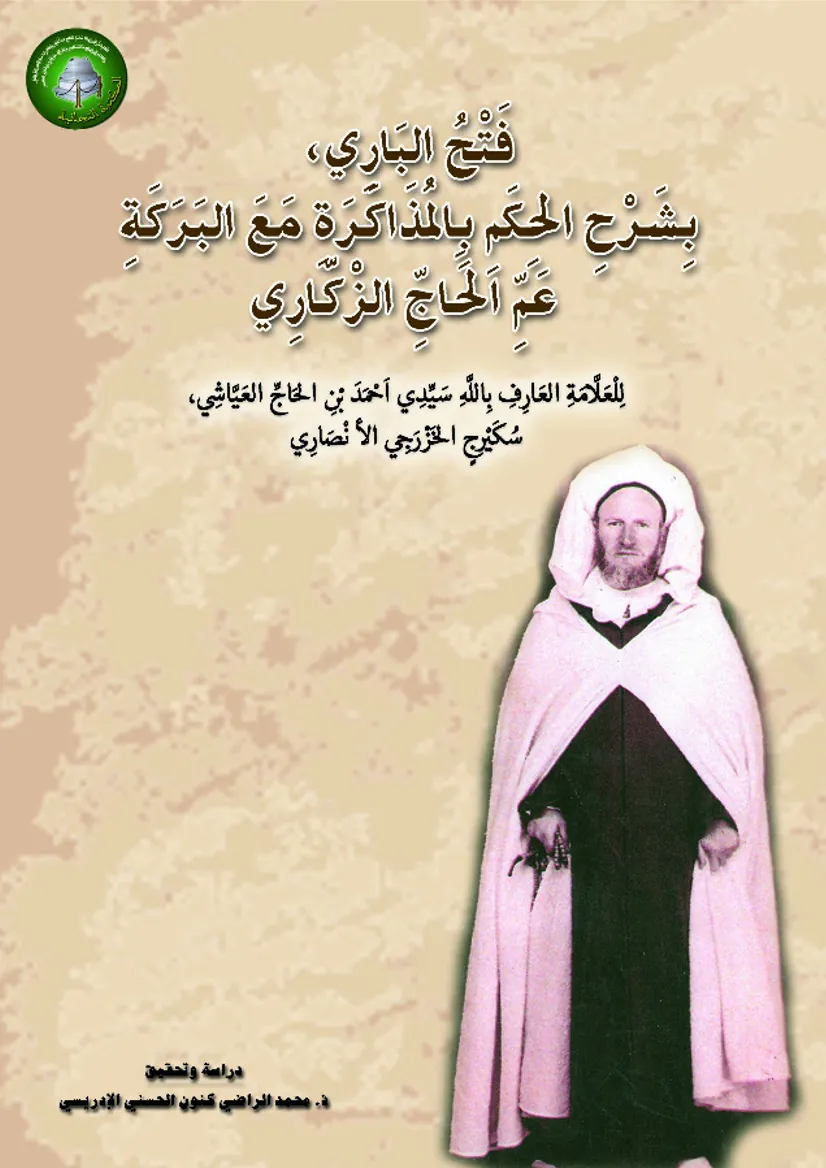
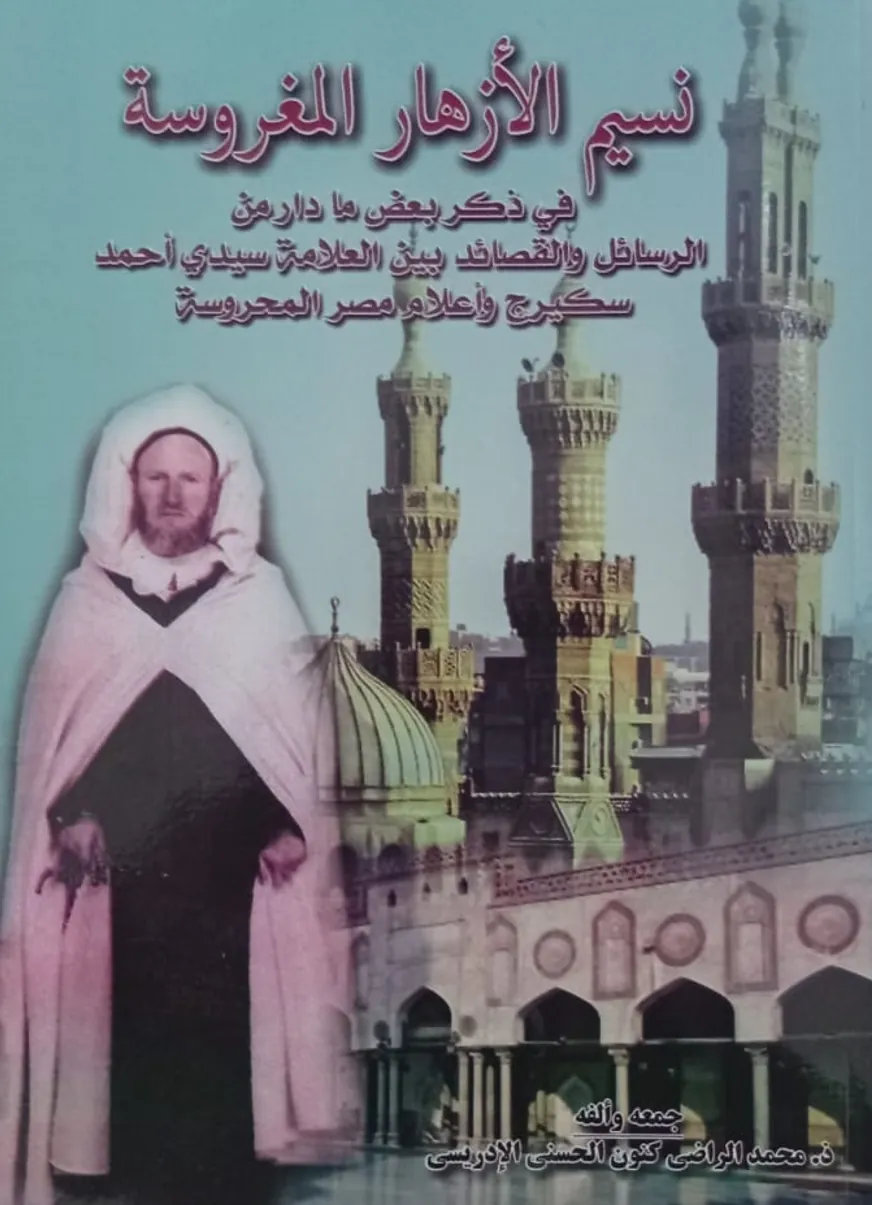
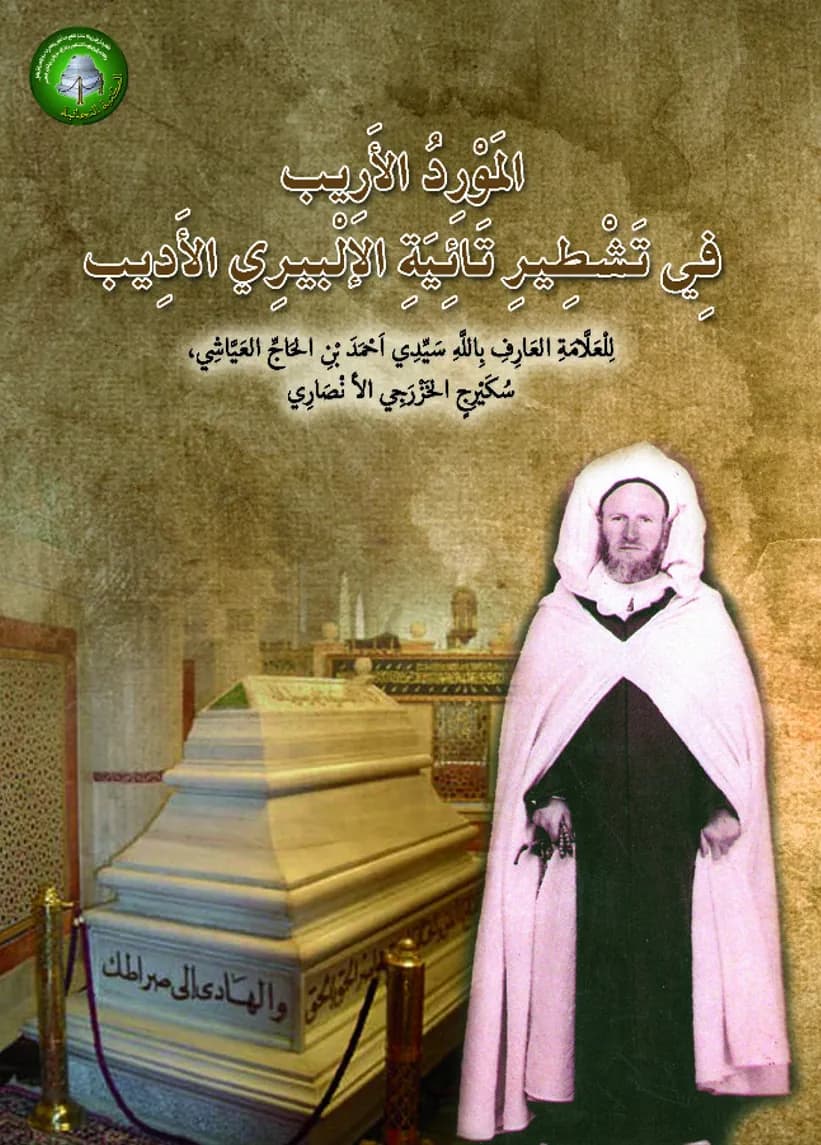
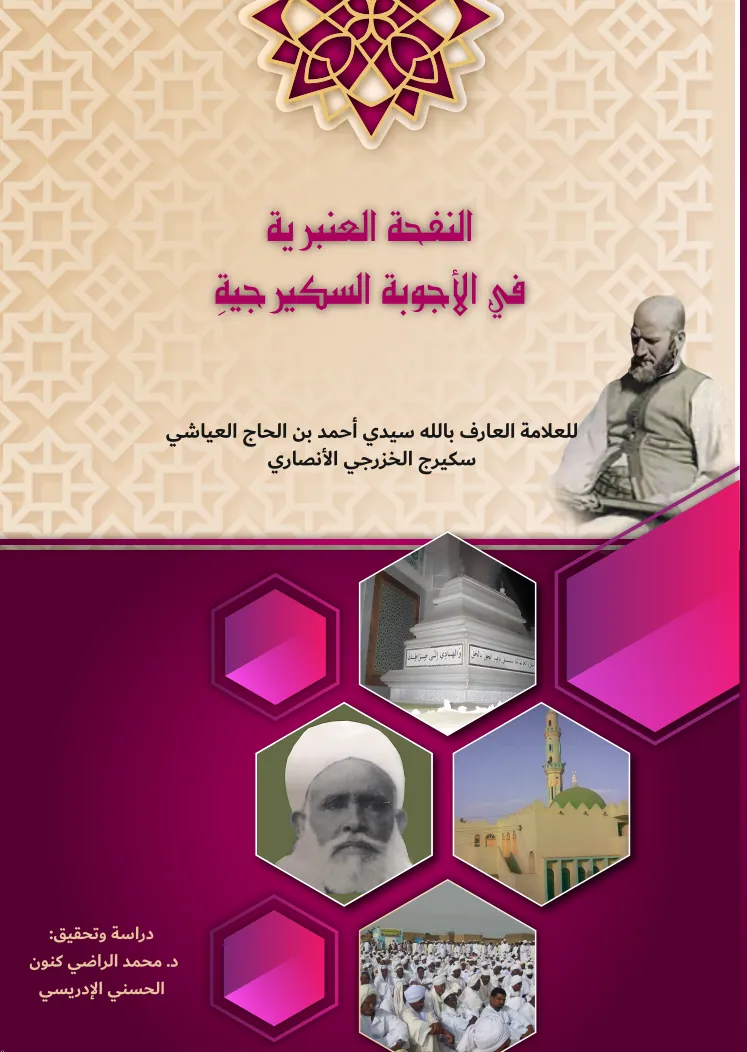
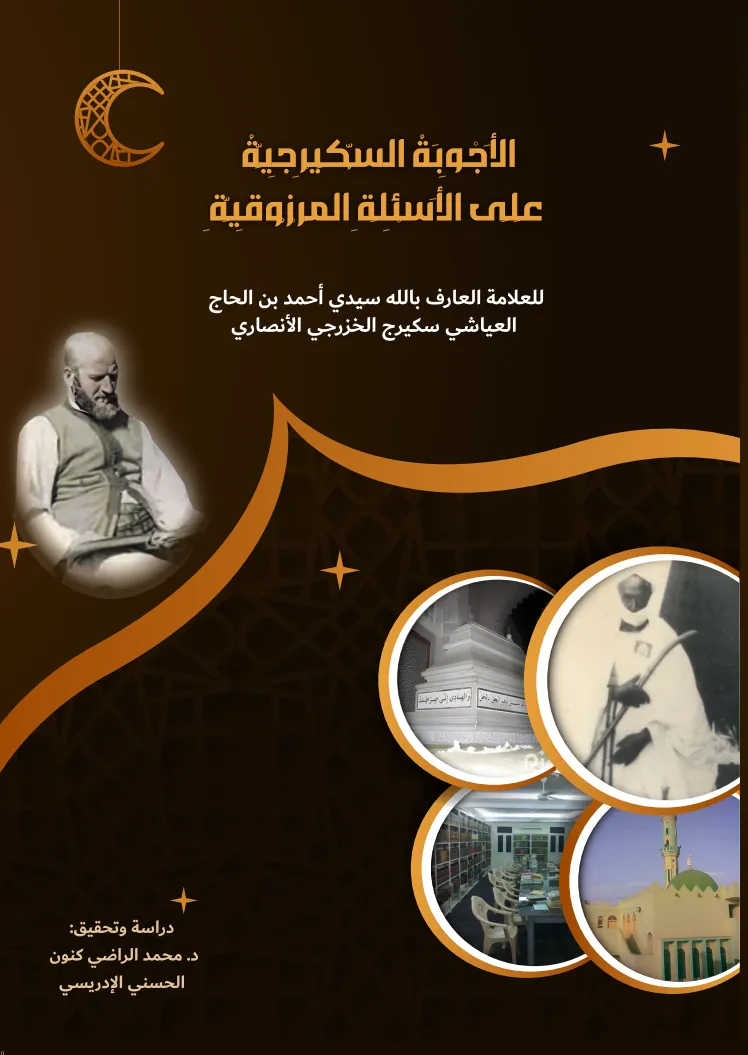
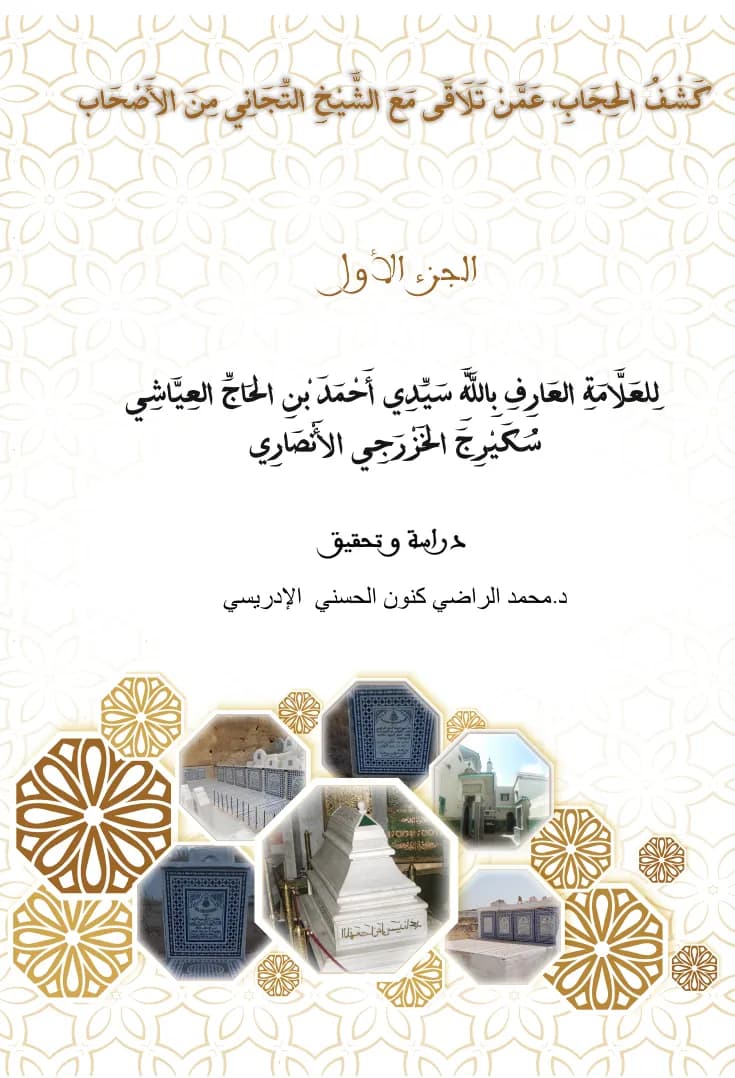
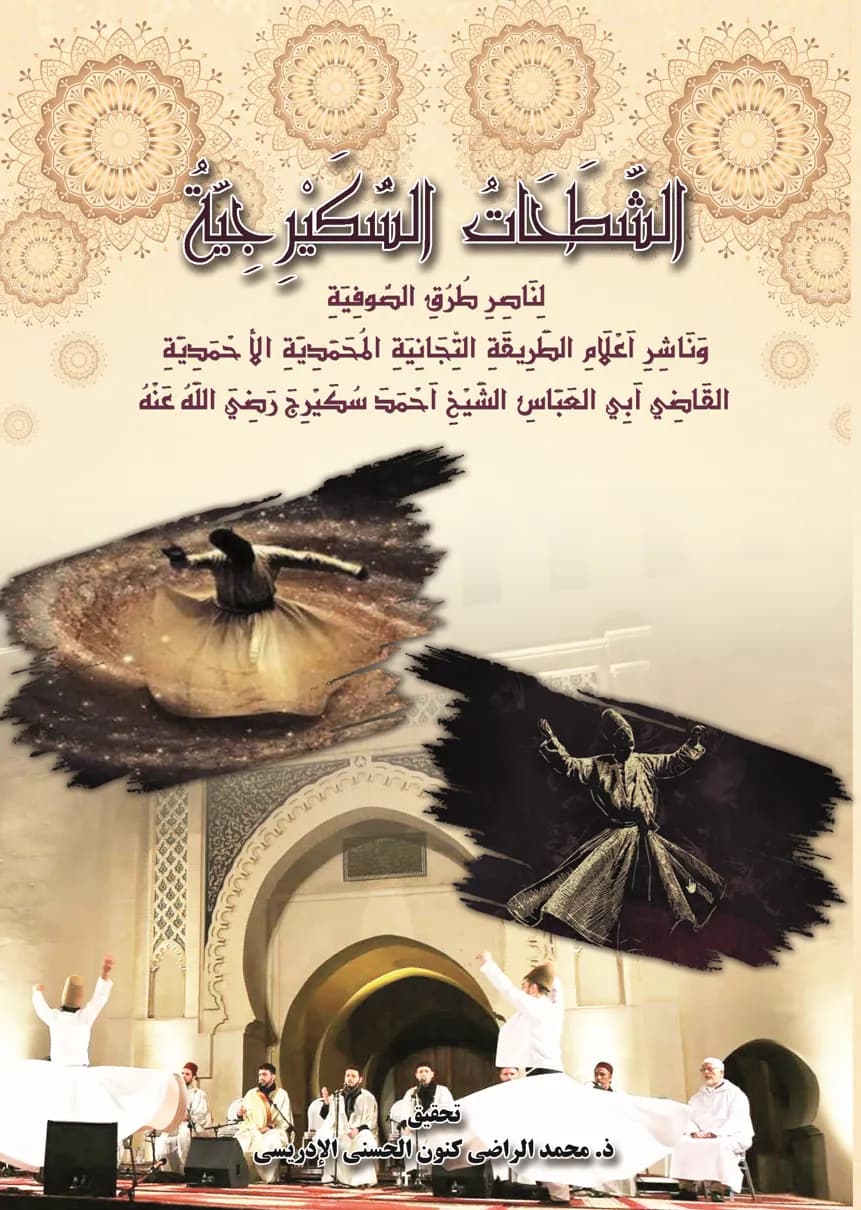
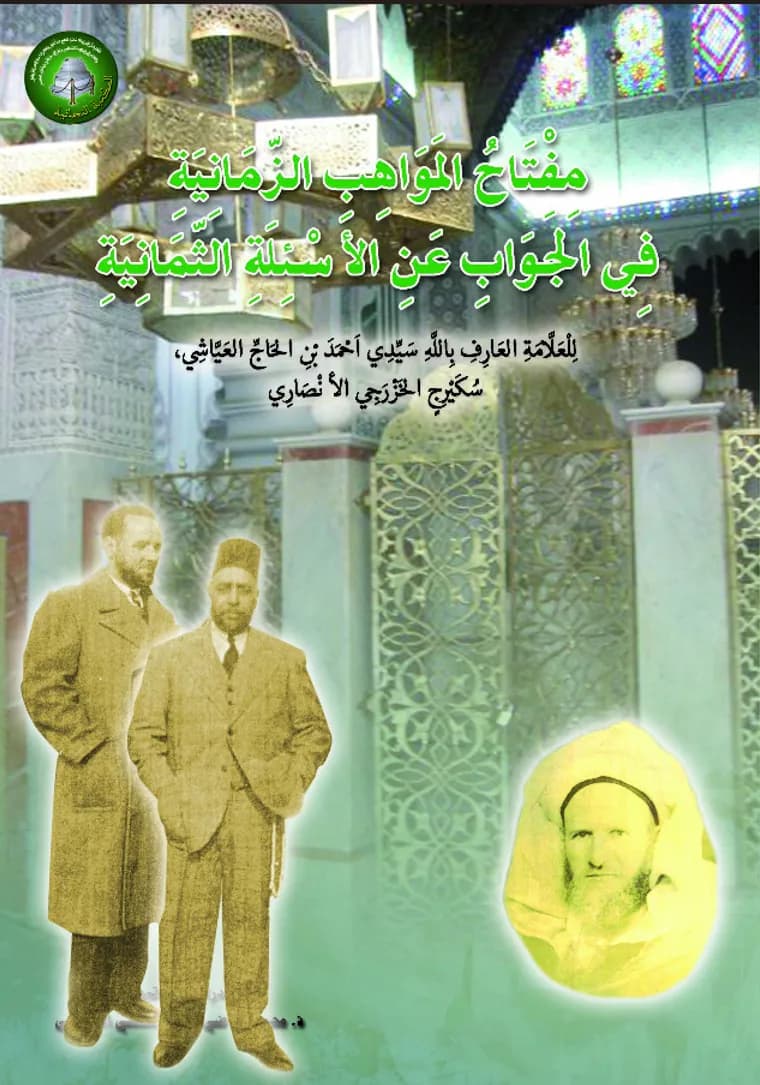
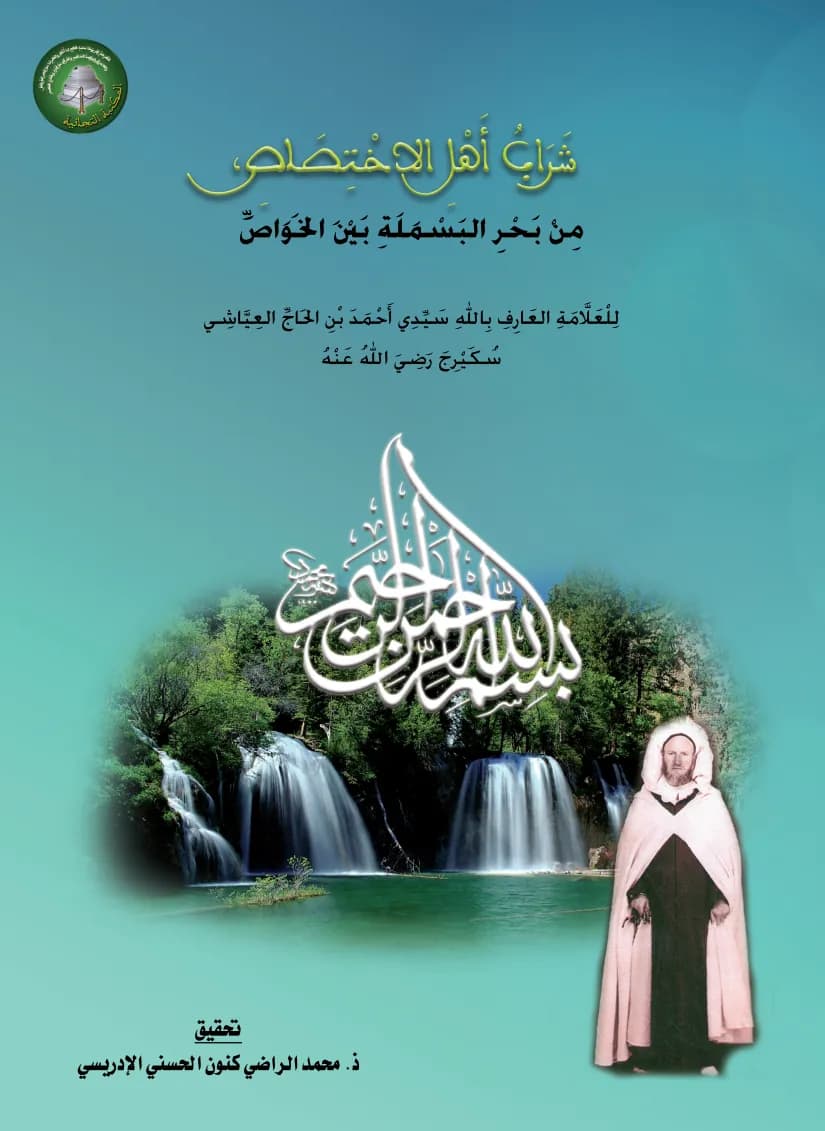
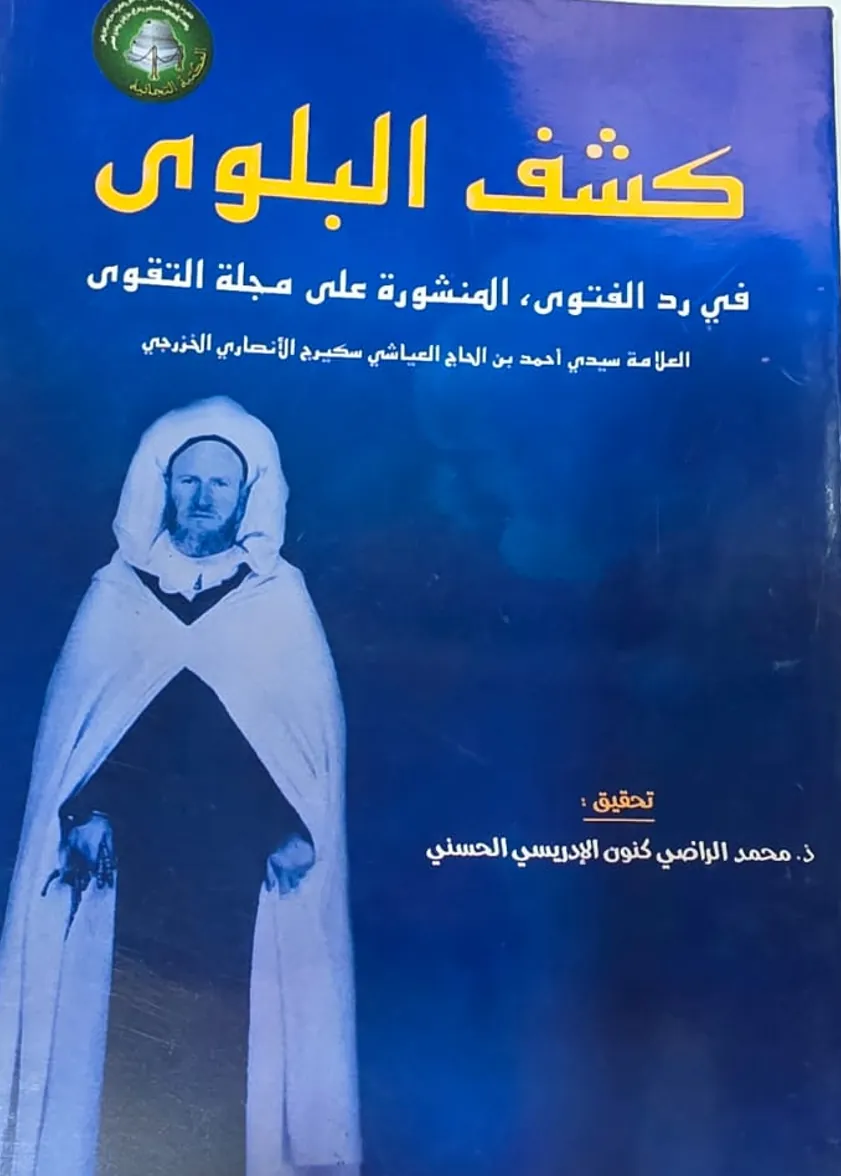
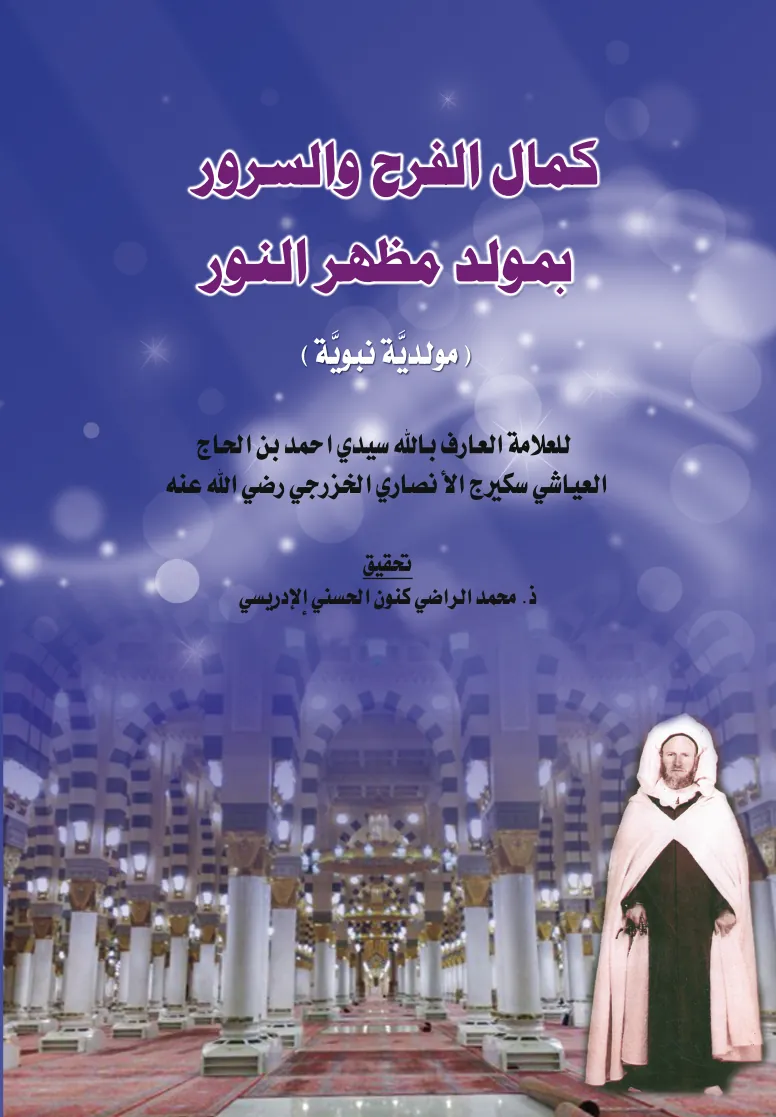
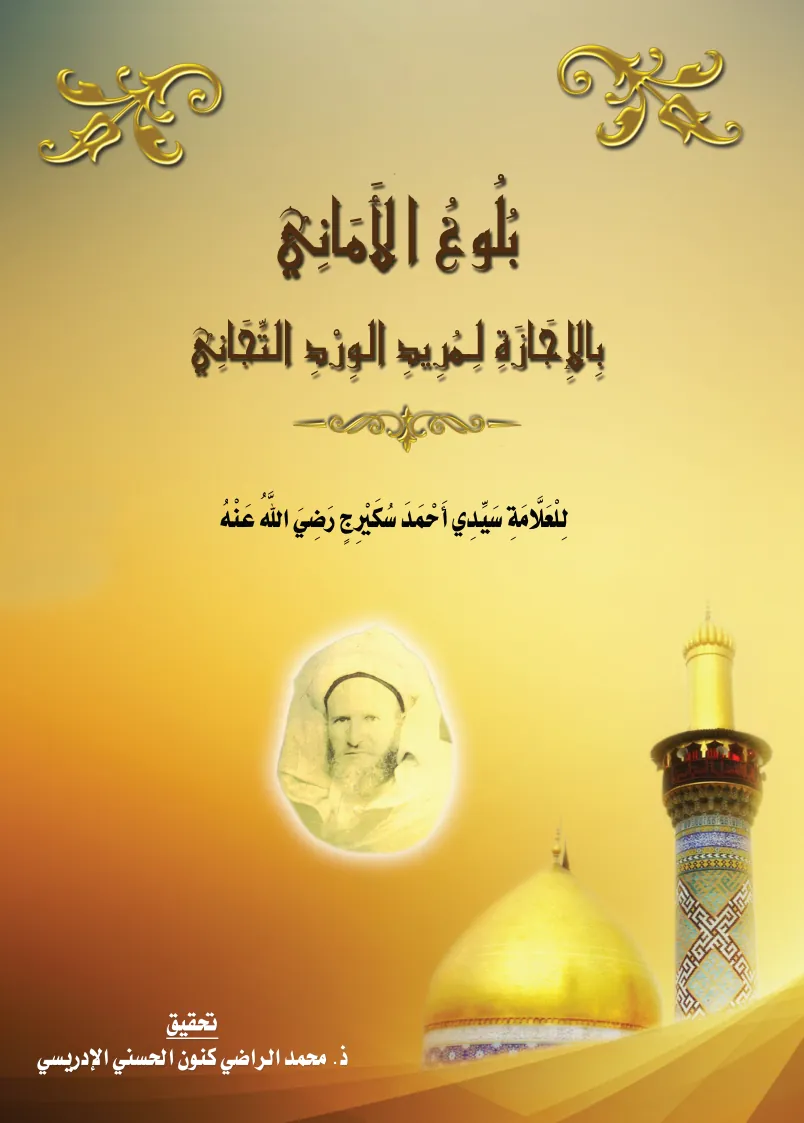
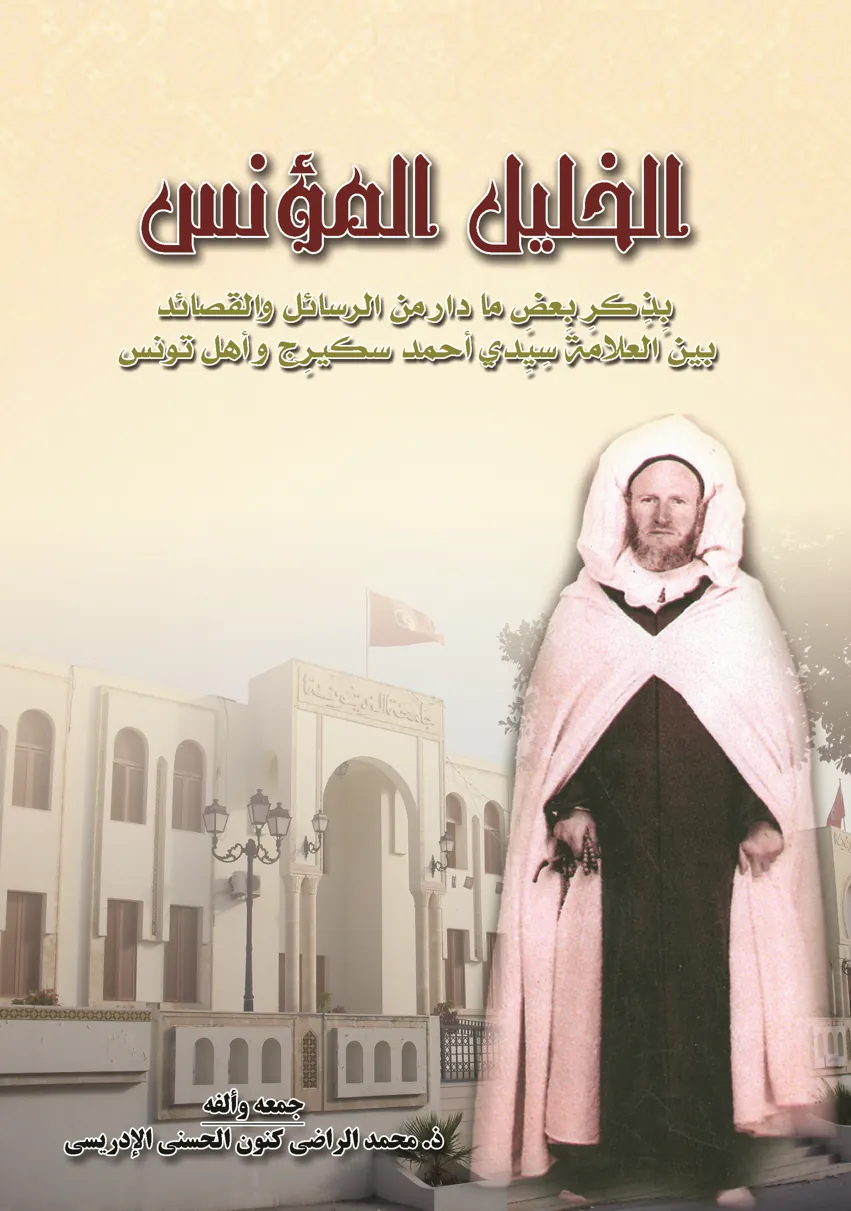
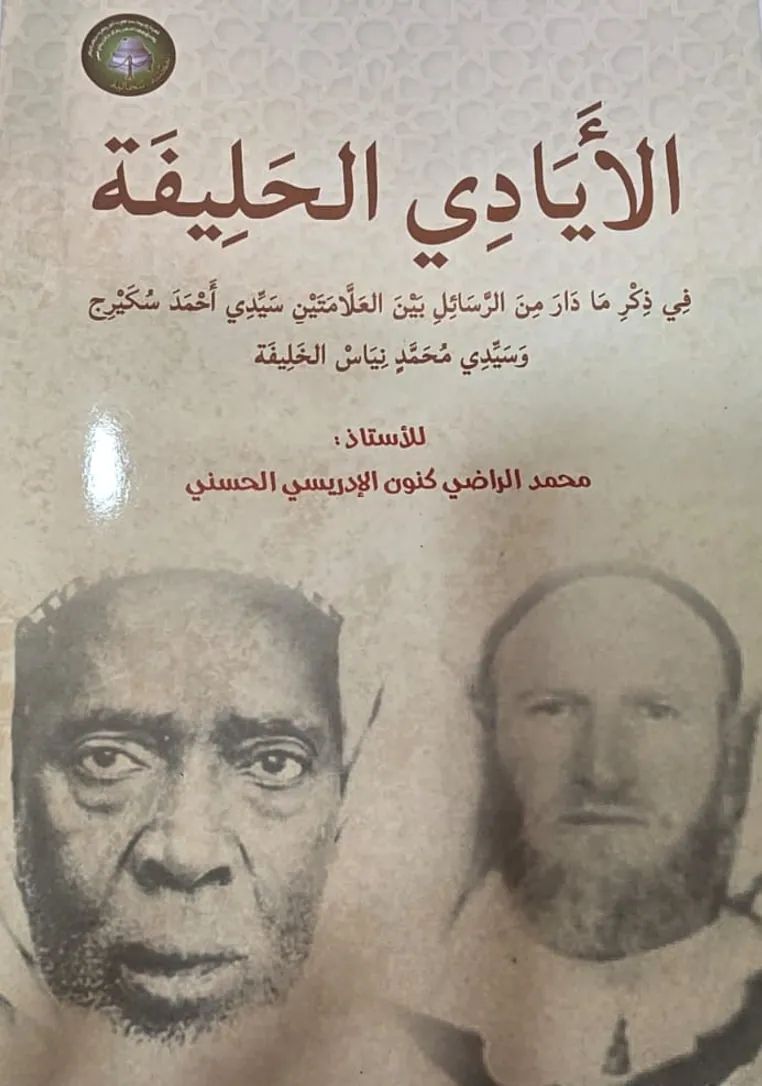
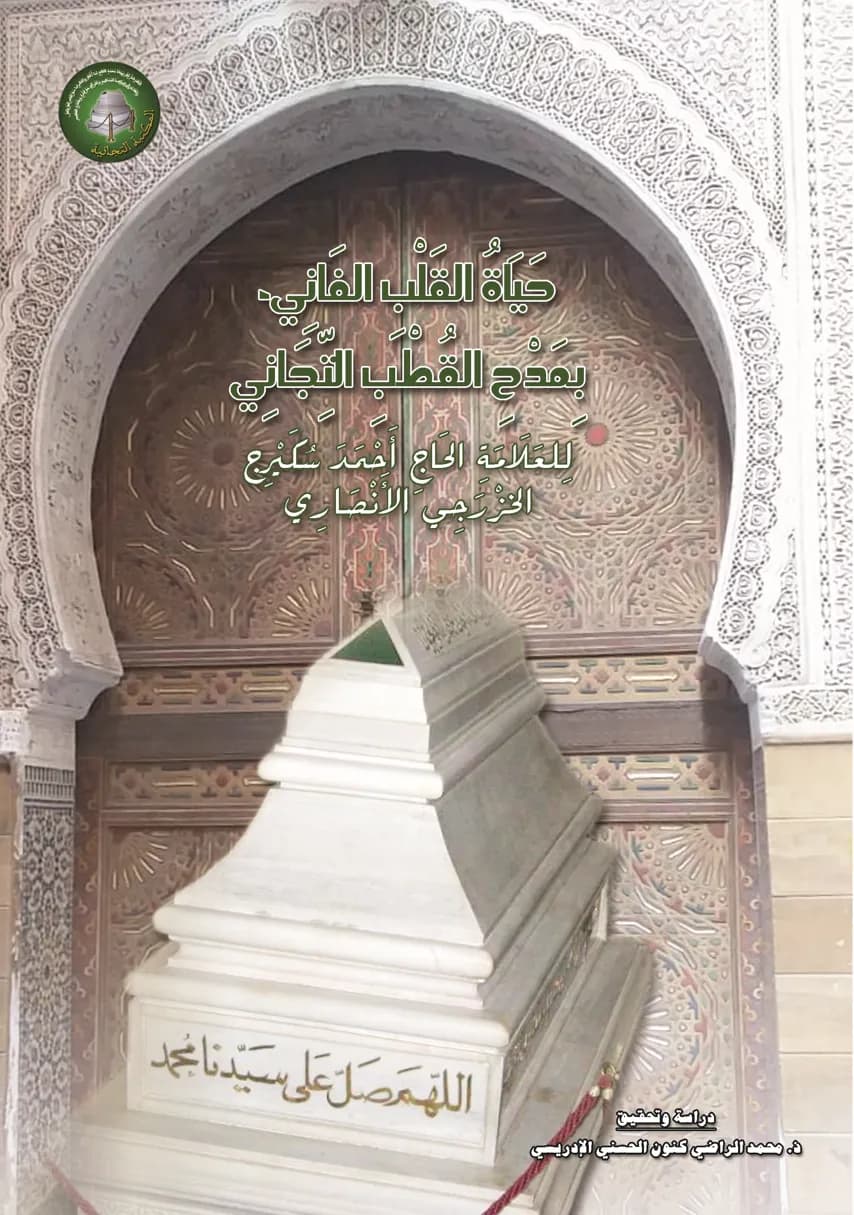
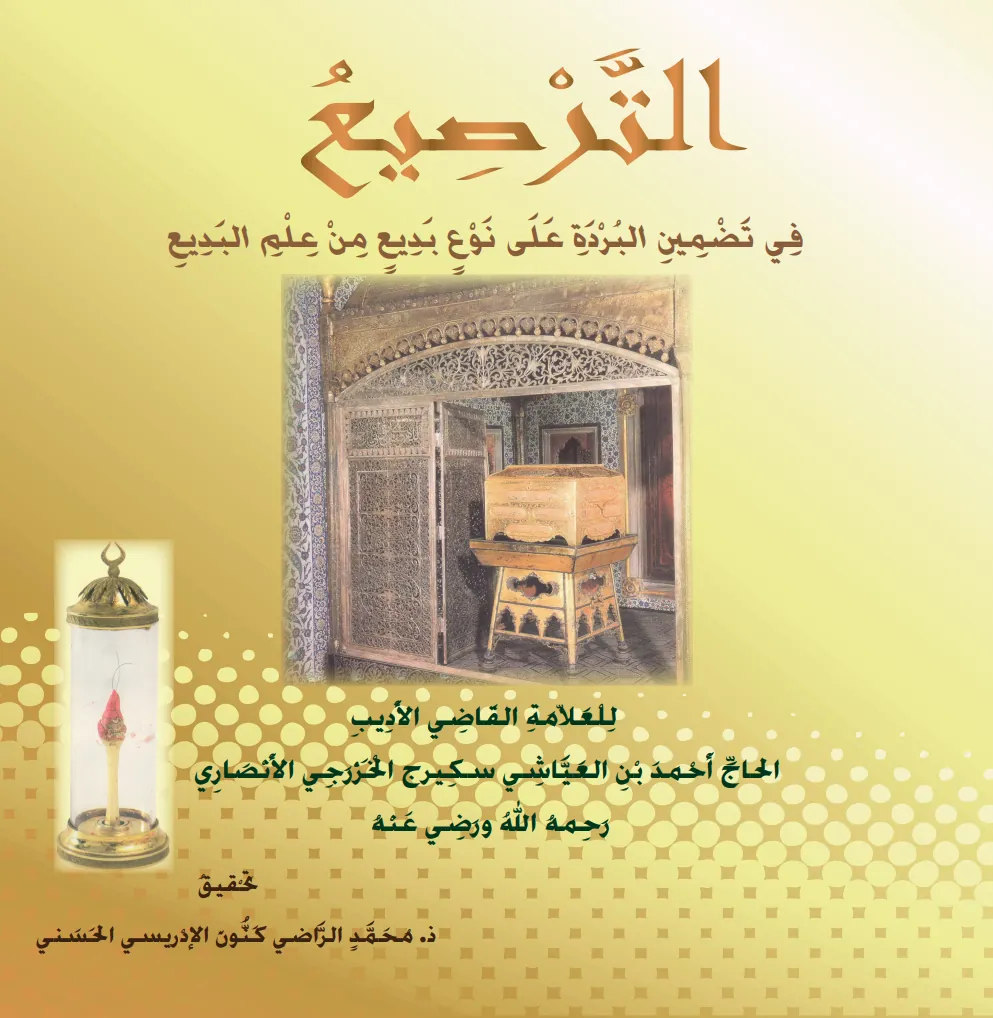
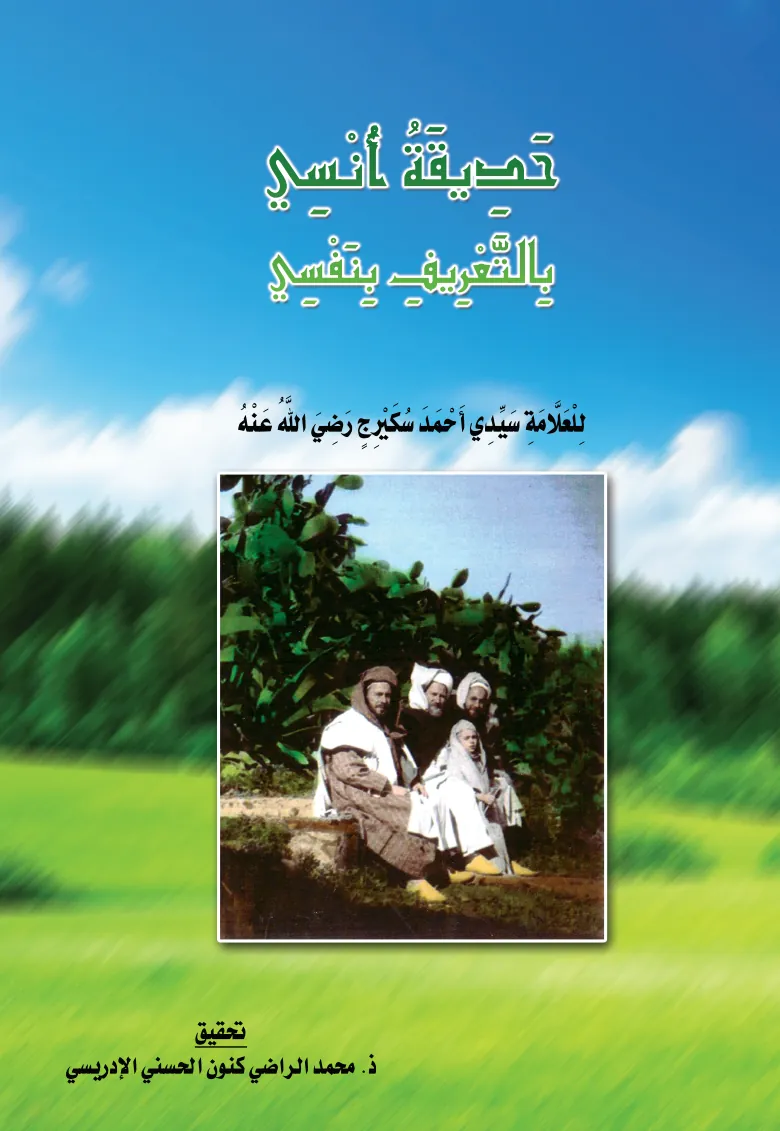
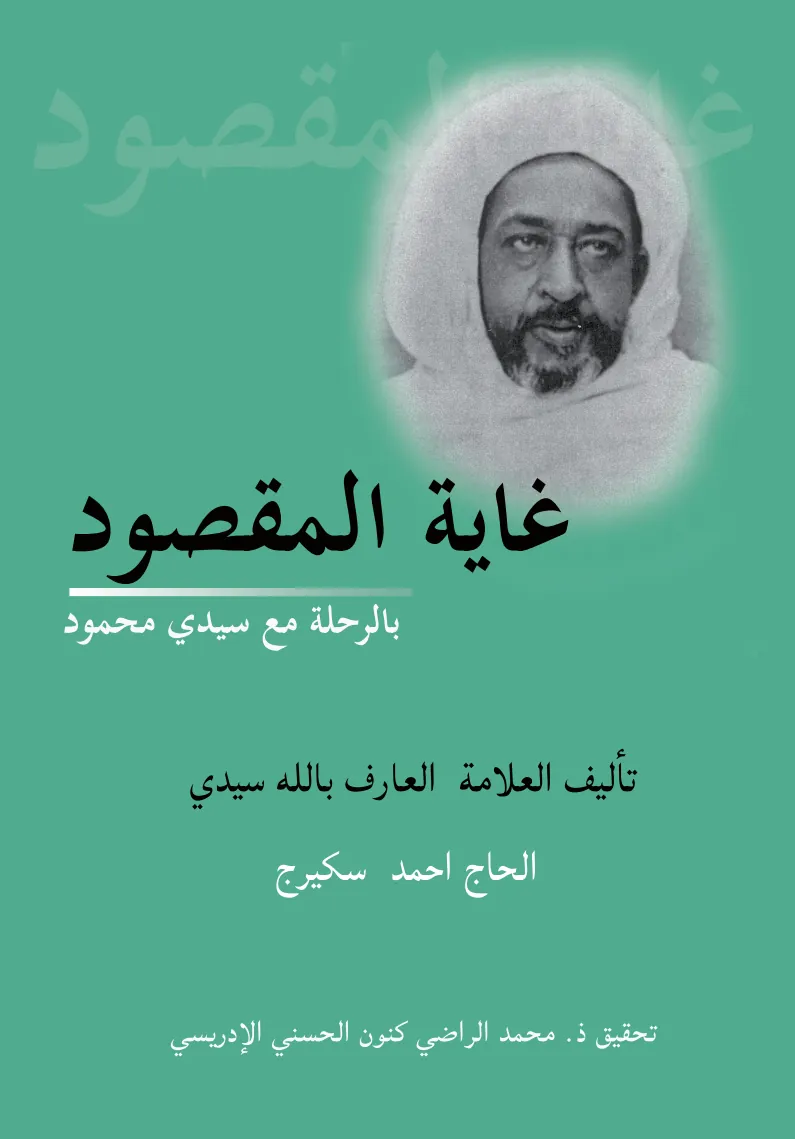
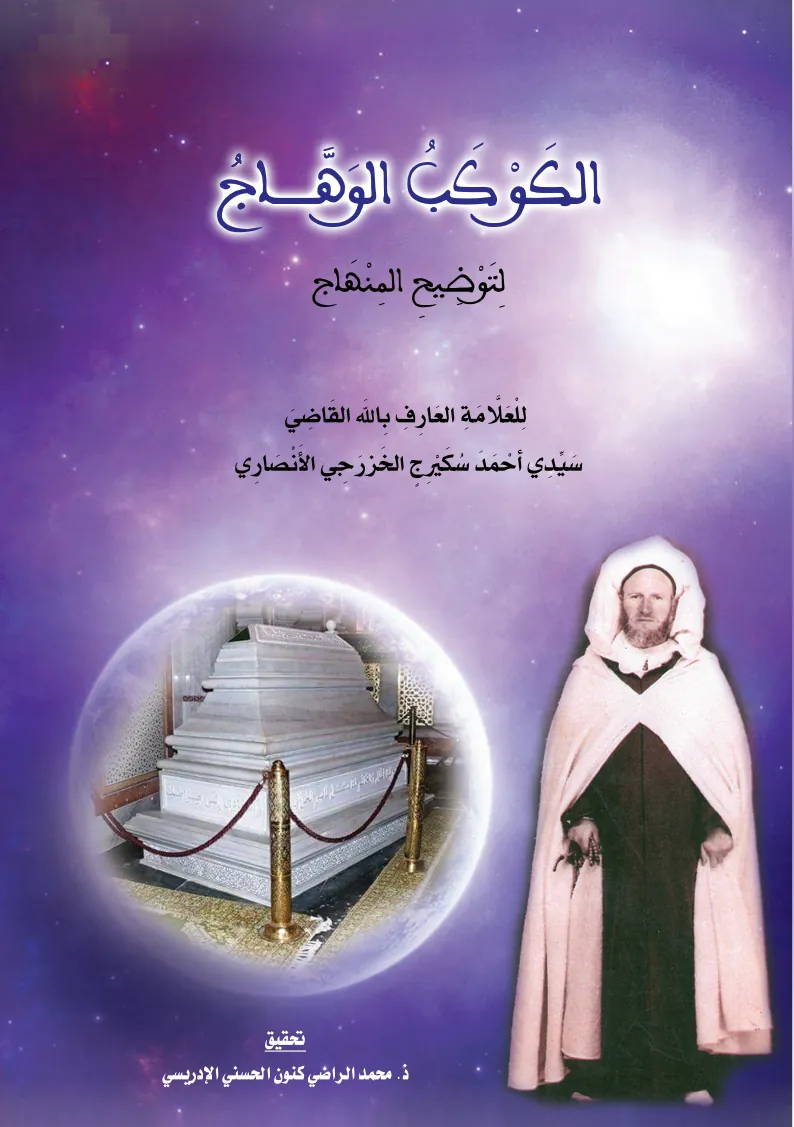
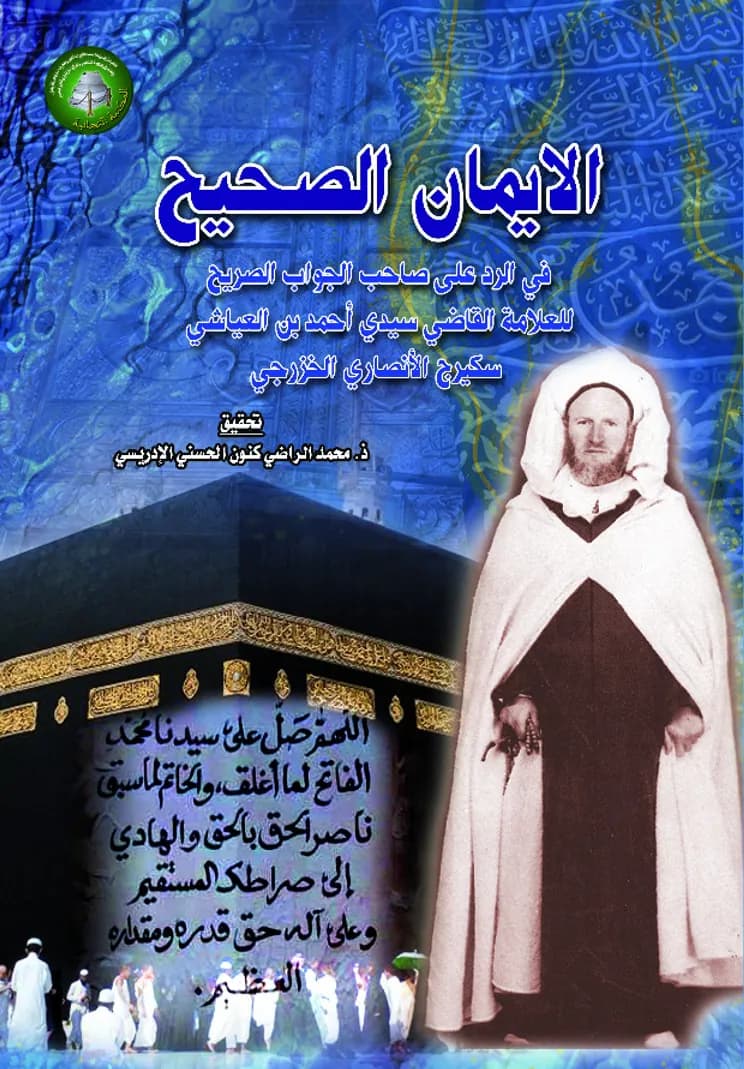
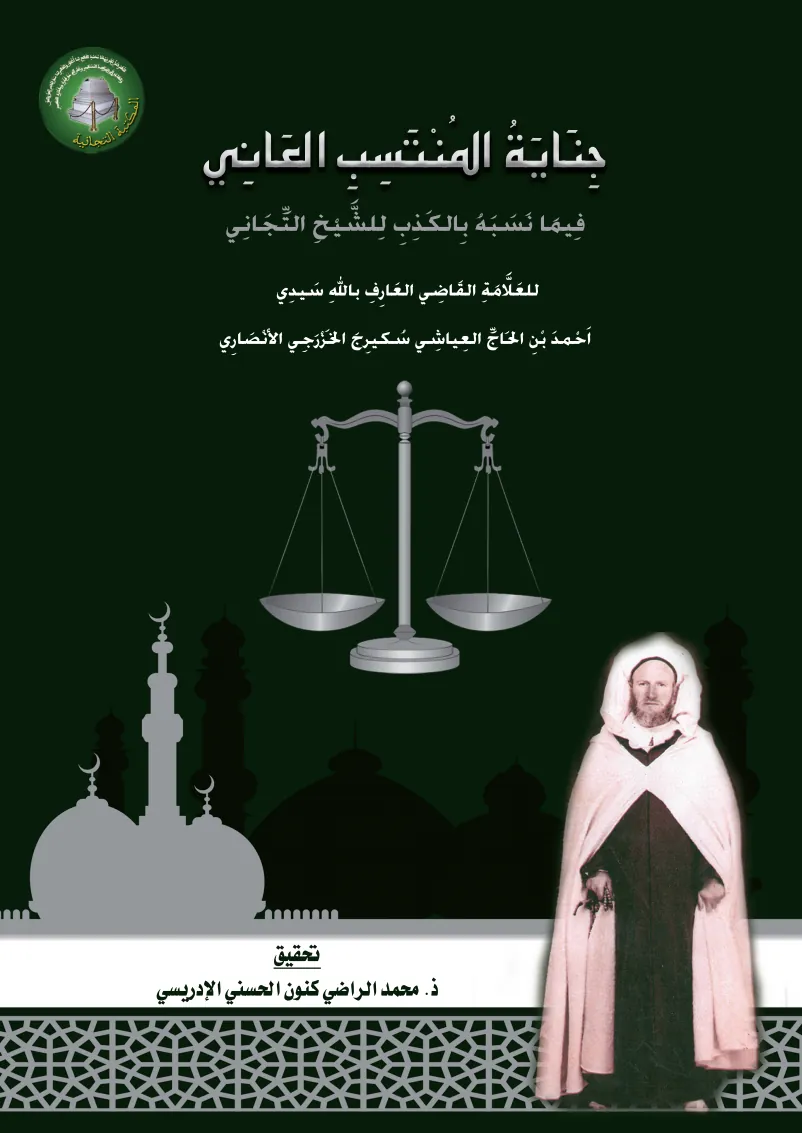
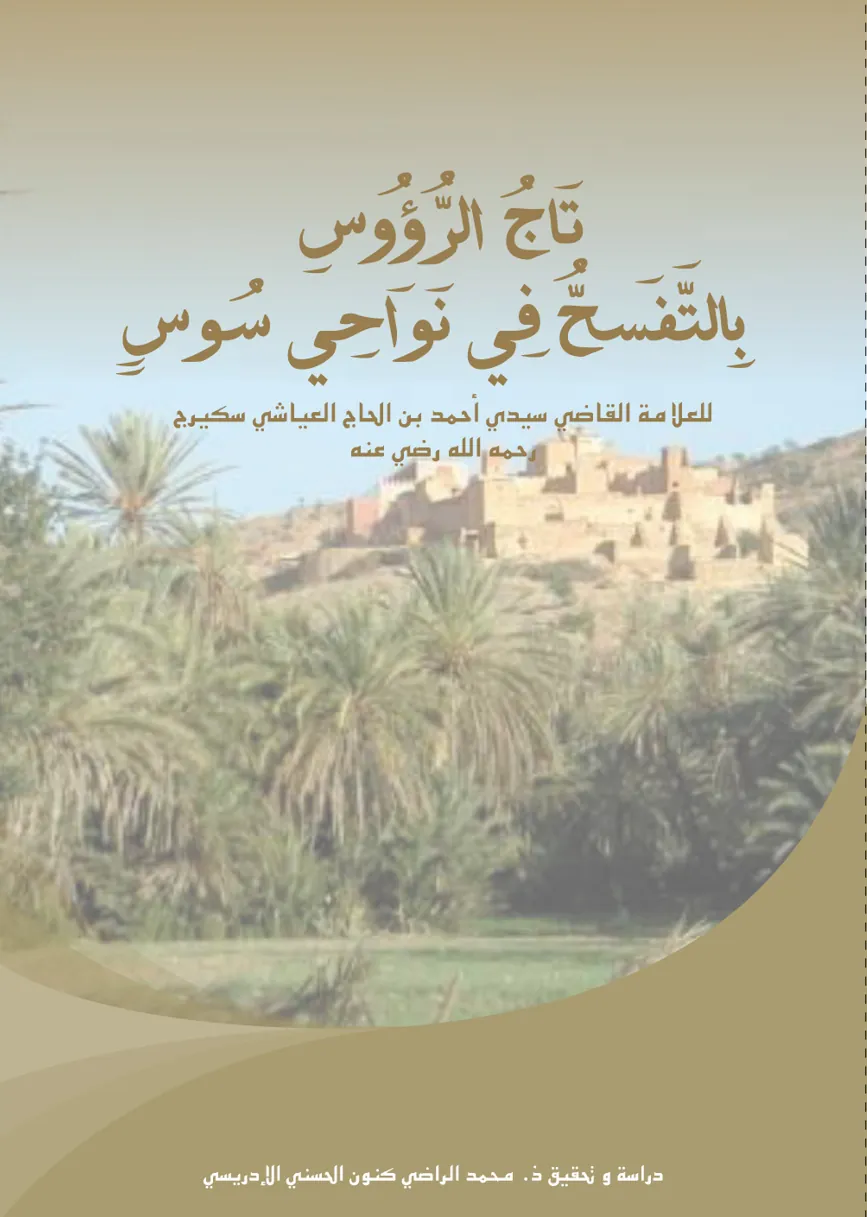
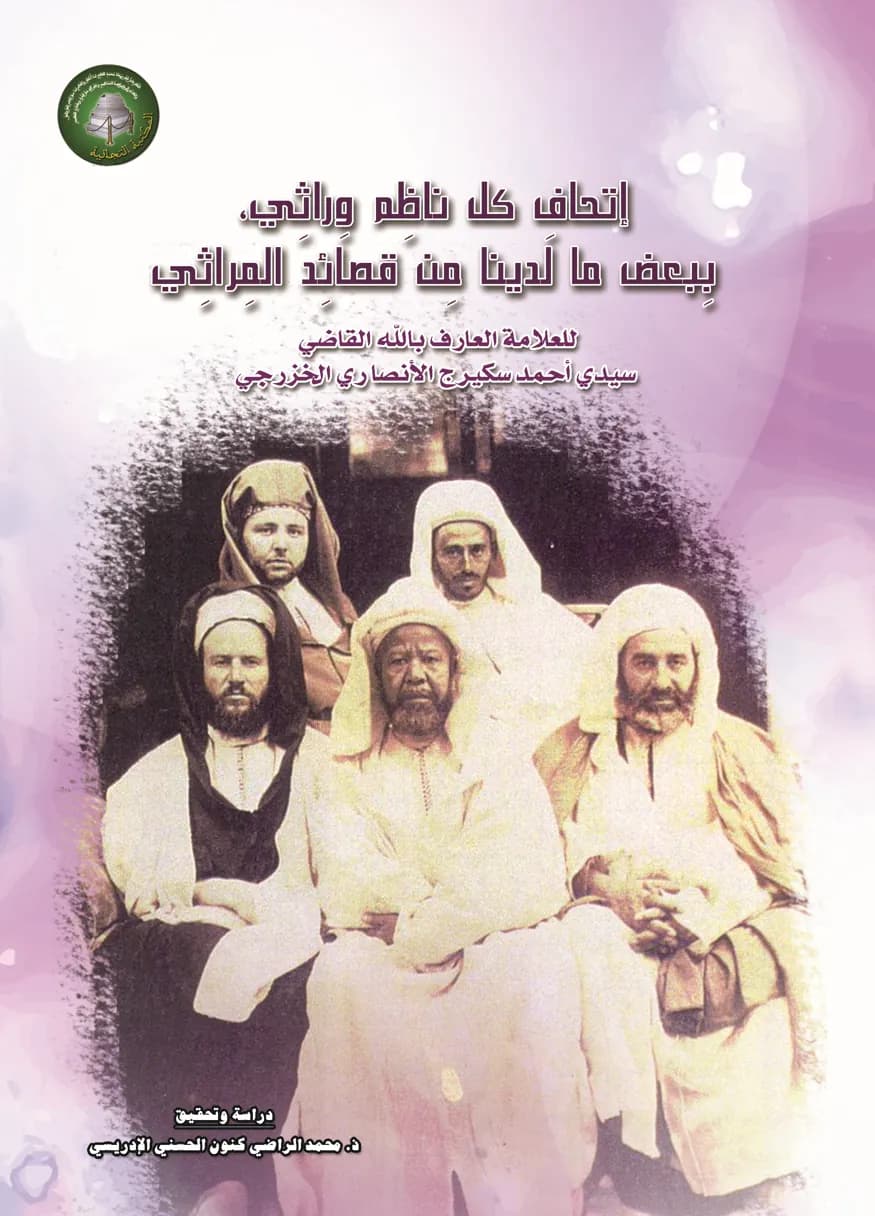
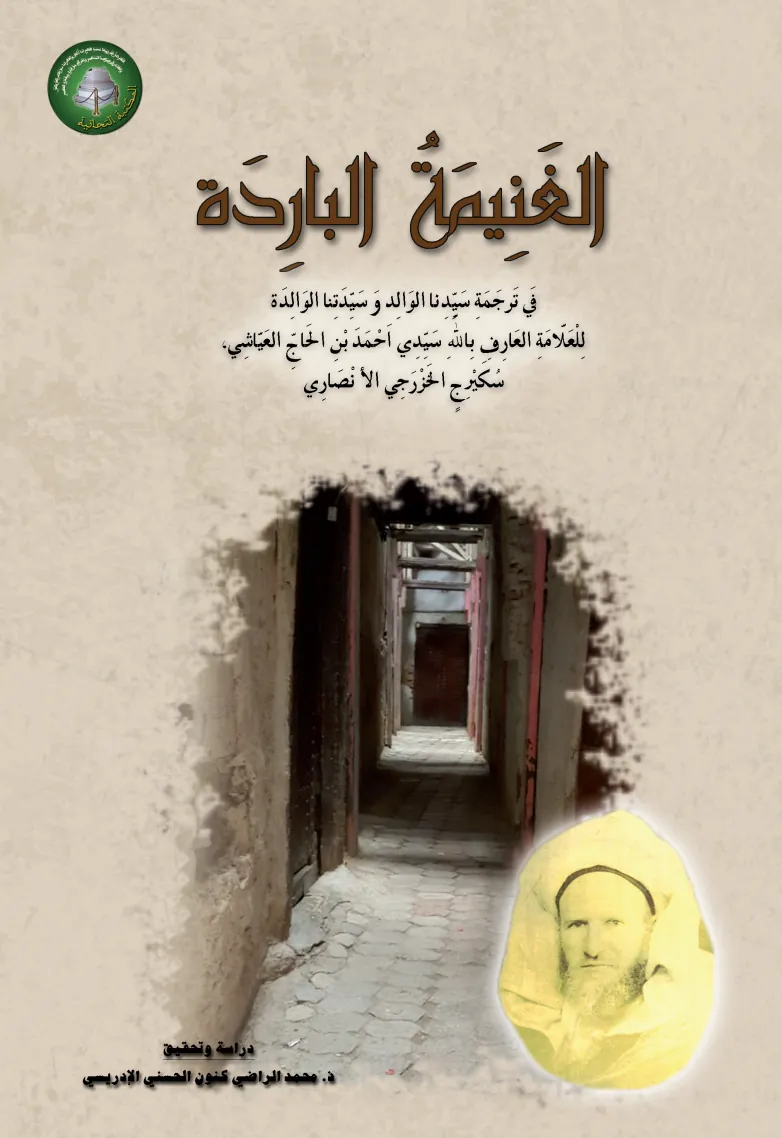
Listen to this rare historical recording in the voice of the scholar Sīdī Aḥmad ibn al-ʿAyyāshī SKIREDJ, delivering a lecture titled "Sciences and Crafts and the Balance Between Them for Seekers of the World and Religion", followed by poetry on the virtues of knowledge and the Family of the Prophet.
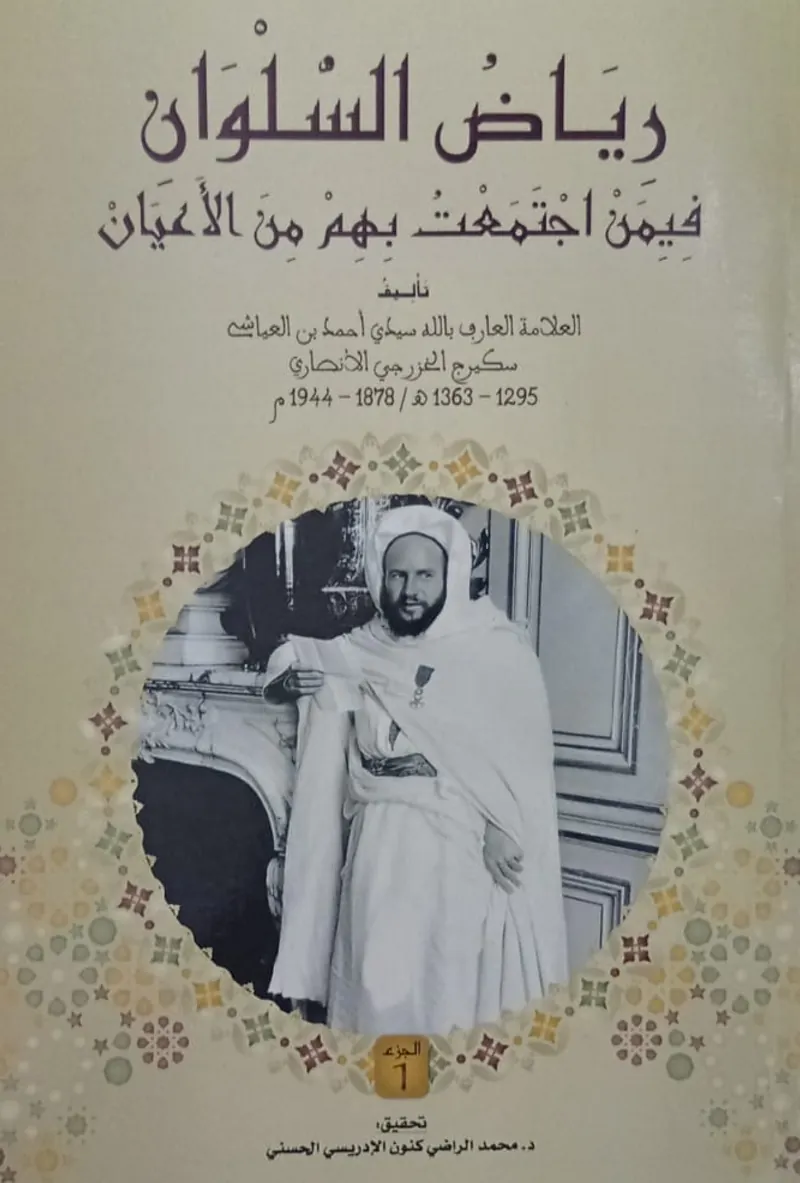
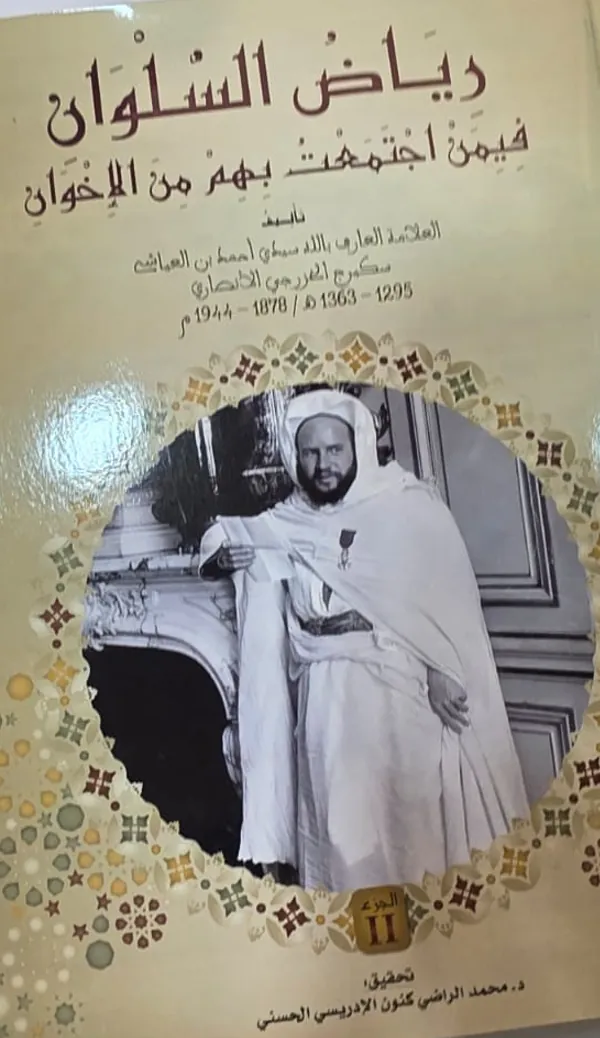
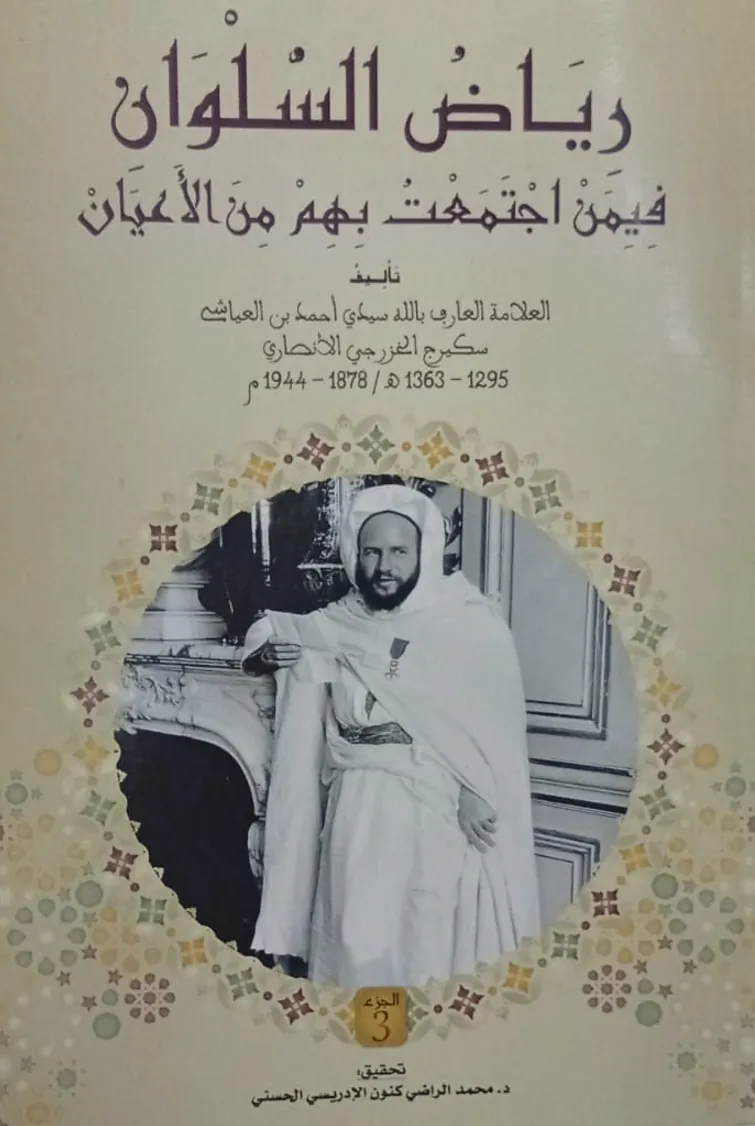
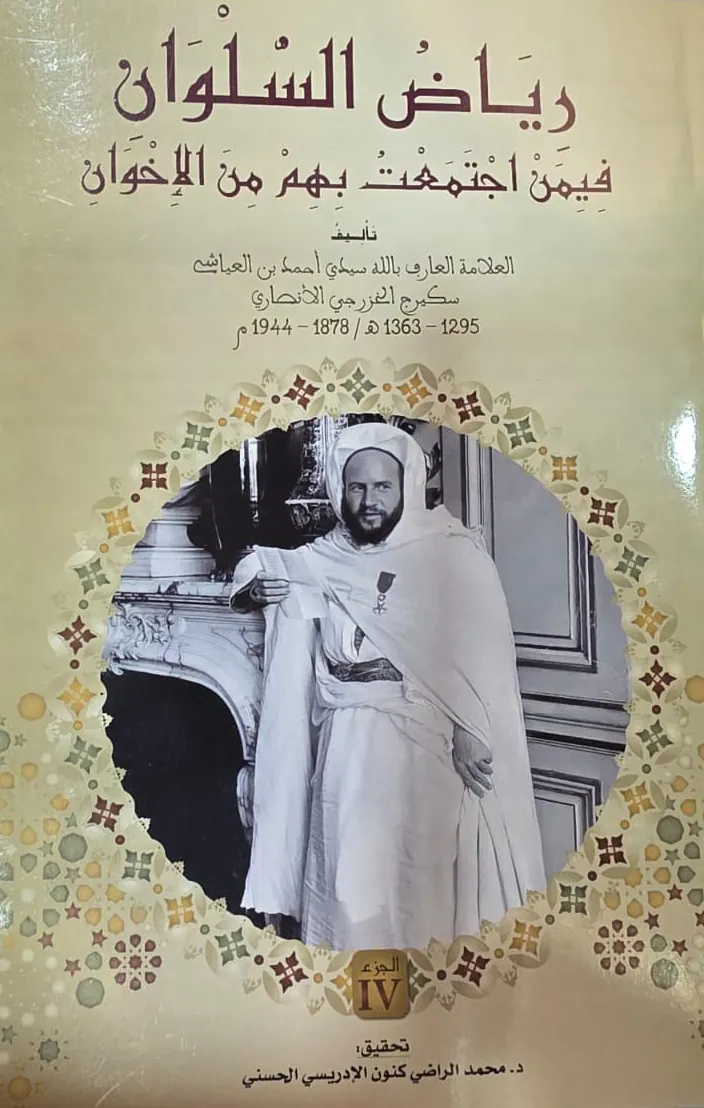
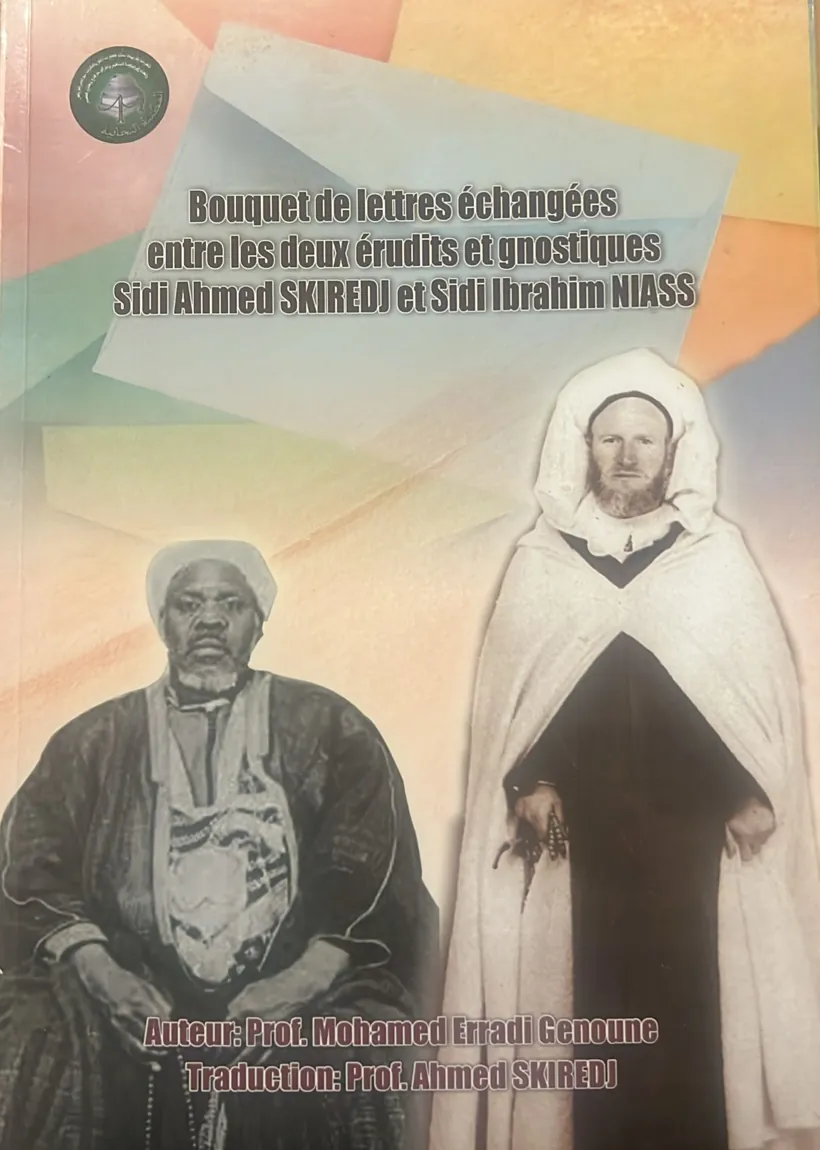
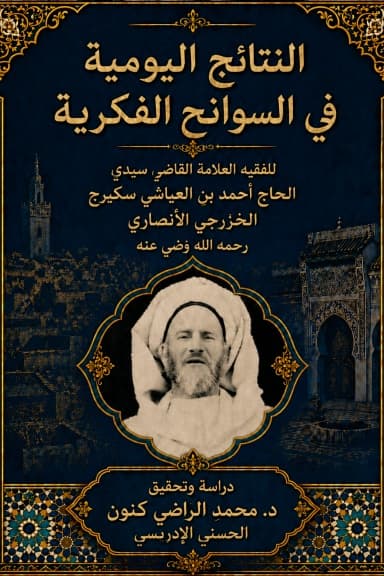
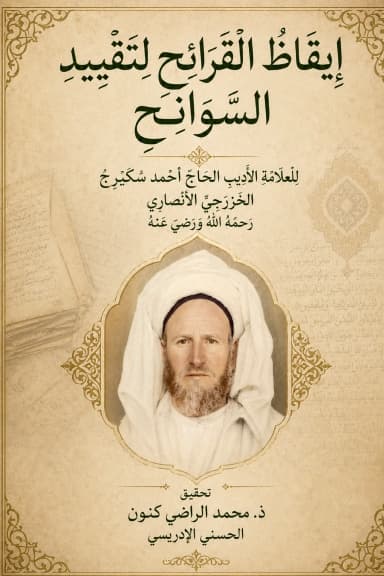
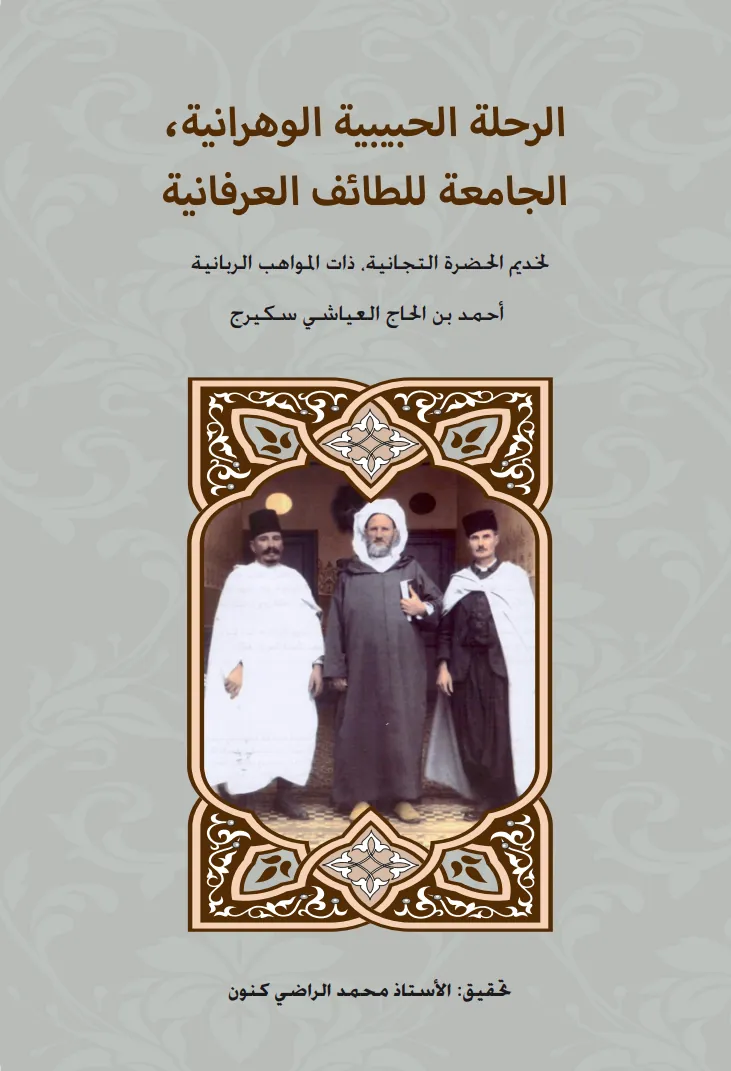
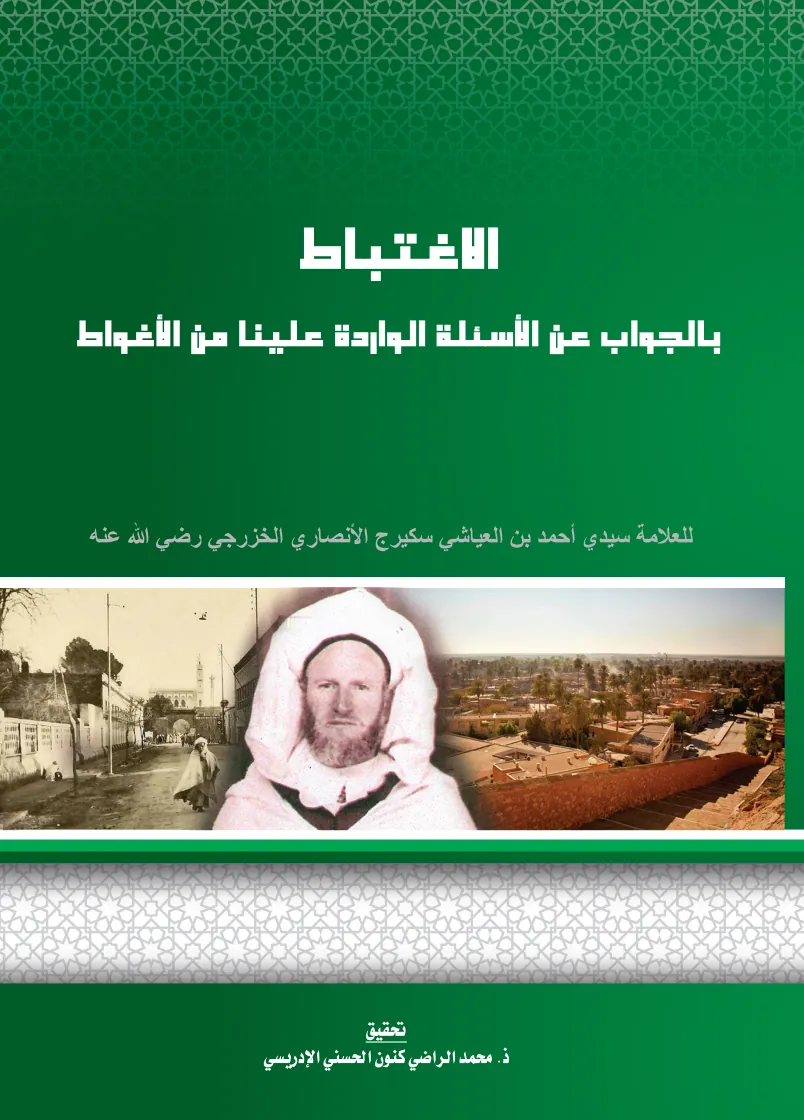
Sidi Ahmed Ben ʿAyyāshī SKIREDJ
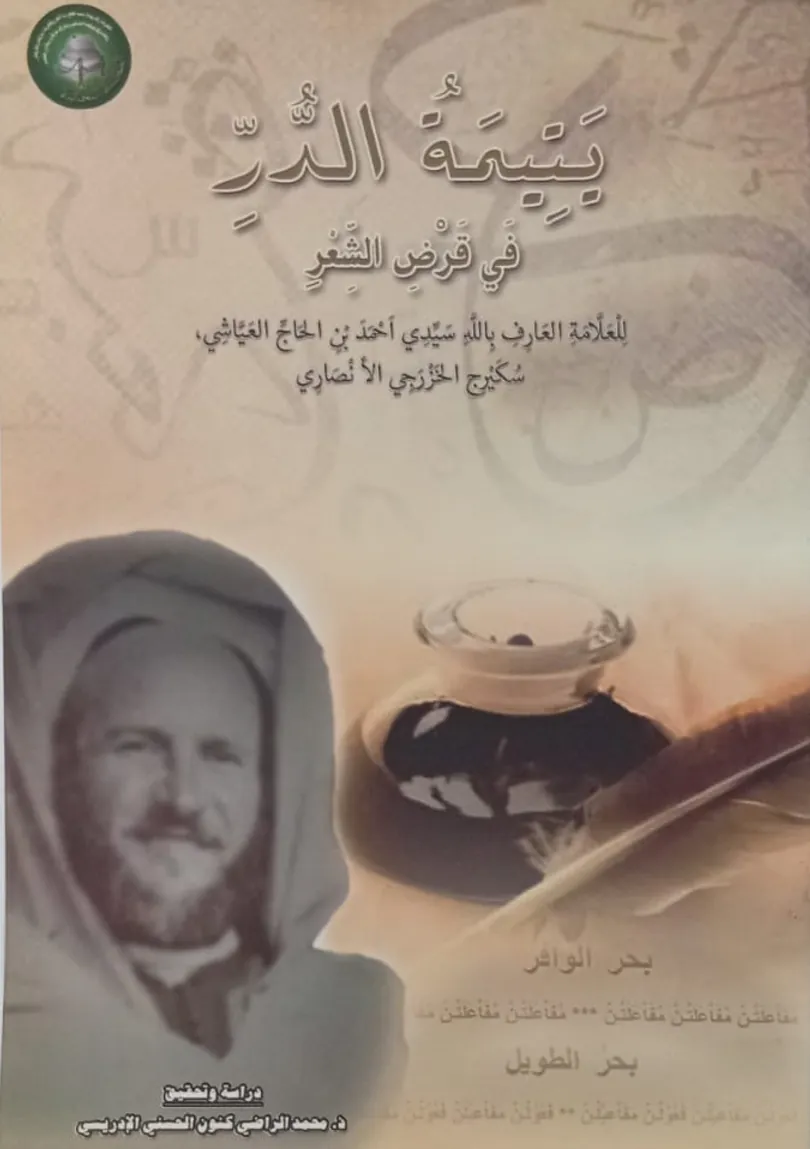
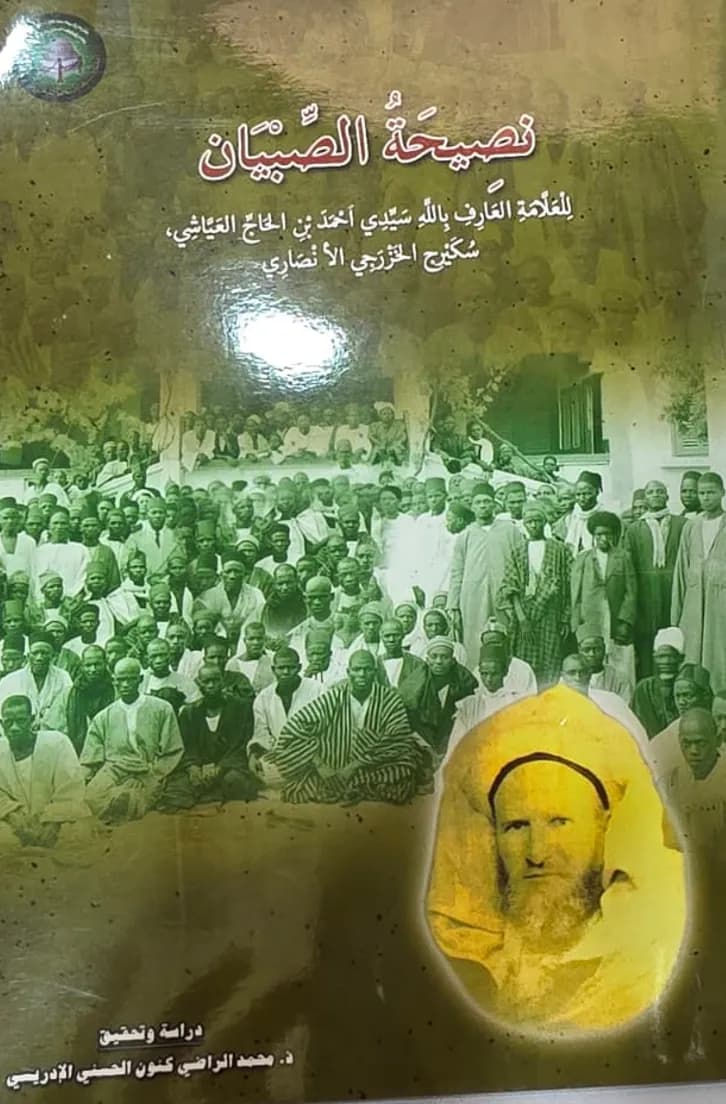
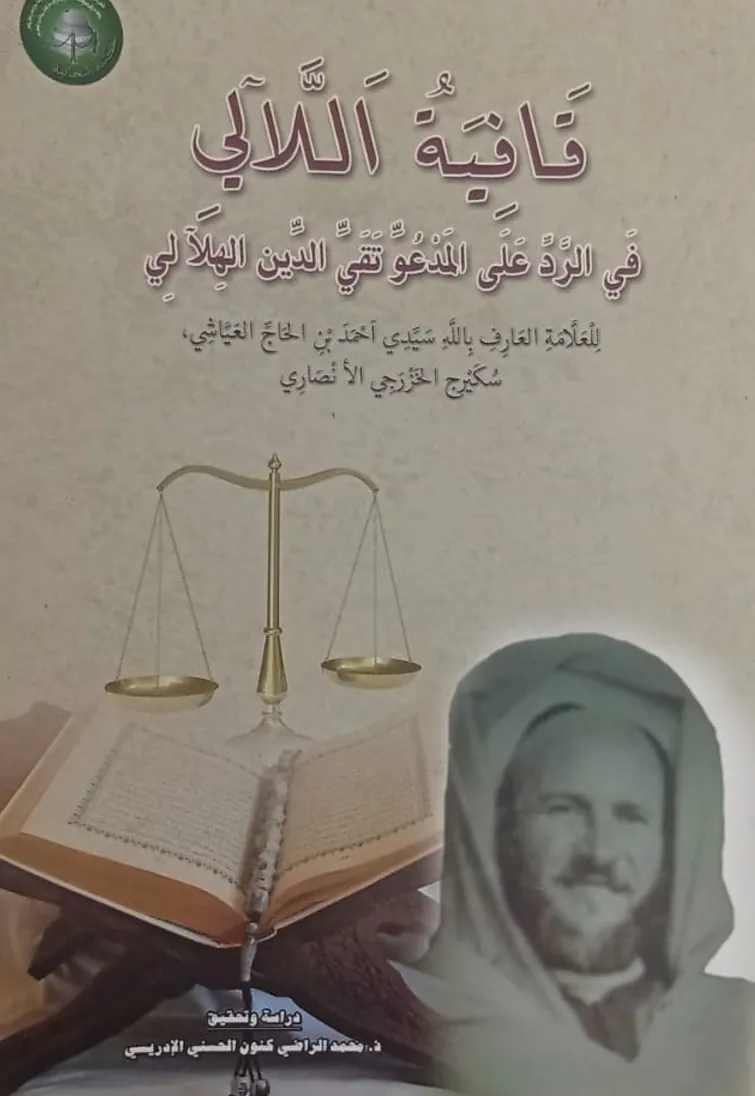
Sidi Ahmed Ben ʿAyyāshī SKIREDJ (1878–1944) was a prominent Moroccan scholar from the city of Fez. A jurist, theologian, Sufi scholar, writer, and poet, he produced more than 200 works and became one of the most influential intellectual figures of his time.
Early Life
He was born in Fez in April 1878 (1295 AH) into a distinguished family known for its contributions to scholarship, literature, and history. Among its notable members were the poet Mohammed Ben Ṭayyib SKIREDJ and the historian Abdel Salam Ben Ahmed SKIREDJ.
Education
SKIREDJ received his early education in Fez under the guidance of his father, Al-Ḥajj ʿAyyāshī Ben Abderrahmane SKIREDJ. He later studied at the renowned University of Al-Qarawiyyine, where he mastered several disciplines:
Islamic jurisprudence (Fiqh)
Arabic grammar and language
Hadith and Prophetic biography
Sufism
Literature and poetry
Works
He authored 204 books and treatises, reflecting his vast knowledge and intellectual productivity. His deep passion for books led him to dedicate most of his time to reading, writing, commentary, and teaching.
Career
Throughout his life, he held several important judicial and administrative positions:
Supervisor of the Habous of Fez Jdid (1914–1918)
Judge in Oujda (1919–1922)
Member of the Supreme Court in Rabat (1922–1924)
Judge in El Jadida (1924–1928)
Judge in Settat (1928–1944)
Spiritual Path
He joined the Tijāniyya Sufi order in 1898 at the age of 21. He deepened his spiritual knowledge through extensive study and devotion to the practices of the order.
Poetry
Poetry was a central aspect of his intellectual legacy. His poetic works are known for their eloquence and refined meanings.
His poetic production includes:
15 collections praising the Prophet Muḥammad
3 collections praising Sheikh Aḥmad al-Tijānī
Students
Among those who benefited from his teachings were:
Sultan Moulay Abdelhafid
Sheikh Ibrahim Niass
several scholars from Morocco and West Africa
Death
He passed away on August 12, 1944, following complications related to diabetes. He was buried near the mausoleum of Qadi Ayyad in Marrakech.
His death was deeply mourned across scholarly communities in Morocco and beyond.